
Amidst the intricate network of electrical systems lies a crucial component that often goes unnoticed yet plays a vital role in ensuring safety and effectiveness: electrical panel grounding and equipment bonding. These practices aren’t just a technical necessity; they’re a cornerstone of any safe, compliant, and efficient electrical infrastructure. Whether you’re a seasoned electrical professional or a DIY enthusiast, understanding these best practices can greatly enhance your approach to electrical safety.
- Delve into the fundamentals of electrical panel grounding and its role in safeguarding systems against electrical faults.
- Discover the key elements that constitute effective grounding and bonding, including essential components like ground rods and bonding connectors.
- Learn practical methods to implement safe electrical panel grounding that complies with industry standards and enhances overall system integrity.
By mastering these essential grounding practices, you’ll not only elevate the safety of your electrical systems but also ensure compliance with crucial regulations, paving the way for a more secure environment. Engage with this topic to acquire insights that could transform the way you approach electrical installations and maintenance.
Understanding Electrical Panel Grounding: Equipment Bonding Best Practices
Electrical panel grounding and equipment bonding are foundational aspects of any safe and functional electrical system. Grounding provides a path for electrical currents to safely return to the ground in the event of a fault, minimizing potential hazards such as electric shock and fire. Effective bonding, on the other hand, ensures that all metal parts of the electrical system are interconnected, providing a continuous conductive path and reducing the risk of static discharge or shock hazards.
Grounding and bonding are crucial not only for safety but also for maintaining the integrity of electrical systems in various settings, including residential, commercial, and industrial environments. By properly implementing grounding and bonding, you help prevent damage to equipment from electrical surges and ensure compatibility with sensitive electronic components. This process aligns with electrical codes and standards that dictate specific requirements for installations, ensuring compliance and safety.
Understanding the nuances of grounding and bonding involves recognizing their role in electrical fault protection. It allows for the optimization of electrical system performance and longevity. Moreover, by adhering to these best practices, you can effectively enhance operational safety, protect valuable equipment, and reduce the financial risks associated with electrical faults.
Key Components of Panel Grounding and Bonding
To achieve effective electrical panel grounding and bonding, several key components must be implemented correctly. The primary components include:
Conductors: These form the core of grounding systems. Conductors provide low-resistance paths for electrical currents, crucial in guiding excess electricity safely to the ground. Factors such as material and size influence their effectiveness, with copper and aluminum being the most common choices due to their conductive properties.
Ground Rods: Ground rods are essential for establishing a connection with the earth. Typically made of copper-bonded steel, they are driven into the ground, ensuring that fault currents are conducted away from buildings and equipment. The correct installation depth and spacing of ground rods are vital for optimal performance.
Bonding Connectors: These ensure that electrical continuity is maintained across all metal components of an electrical system. Bonding connectors are used to link all metal parts, such as conduit, cabinets, and enclosures, forming a unified grounding network. This not only enhances safety but also facilitates effective fault current handling.
By understanding and properly integrating these components, you can ensure a robust electrical grounding and bonding system that meets regulatory standards and provides reliable protection against electrical faults.
Implementing Electrical Panel Grounding: Equipment Bonding Best Practices
Ensuring electrical safety in your facility starts with effective grounding and bonding practices. Proper implementation not only shields your electrical systems from unexpected faults but also enhances compliance with safety standards.
One of the first steps in implementing electrical panel grounding is conducting a thorough assessment of your current electrical system. This involves identifying potential vulnerabilities and ensuring there is an adequate grounding system in place.
Once the assessment is complete, proceed with choosing the appropriate grounding conductors. The conductors need to be sized correctly according to the maximum fault current they might experience. You need to install them in compliance with local electrical codes and best practices. A well-installed ground conductor serves as a critical pathway for fault currents, preventing equipment damage and ensuring personal safety.
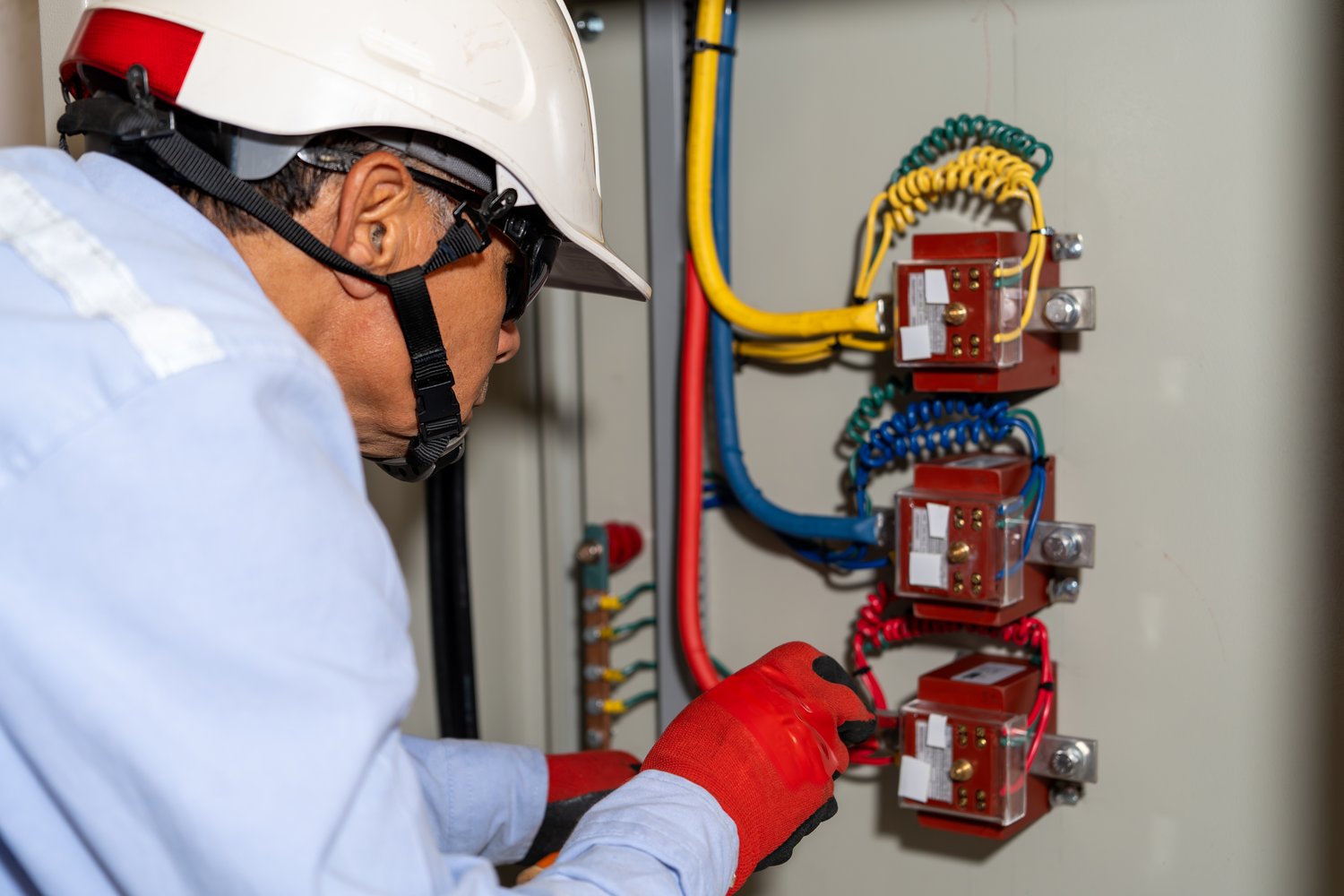
When it comes to equipment bonding, it is essential to ensure all electrical components are tied together. This process reduces the risk of electric shock by maintaining them at a consistent potential. Use reliable bonding connectors that are rated for the specific requirements of your system.
Bonding jumpers play a significant role too. Ensure they are properly sized and installed to bridge any gaps between non-continuous grounding paths. Each metal part that could potentially conduct electricity should be connected together to form a continuous metallic path. This not only prevents differences in voltage but also minimizes interference and leakage currents.
Regular testing and inspections are indispensable in maintaining system integrity. Ensure to include periodic checks of the grounding and bonding systems as part of your routine maintenance schedule. This proactive approach helps in identifying and rectifying any compromised connections or components.
Furthermore, staying updated with the latest industry practices and guidelines is crucial for long-term compliance. Engaging in professional training and consulting with electrical safety experts can enhance your understanding and application of grounding principles.
Proper implementation of electrical panel grounding and equipment bonding best practices can significantly improve your facility’s safety profile and operational efficiency. By following these steps meticulously, you create a sustainable and secure electrical environment for everyone involved.
Frequently Asked Questions about Electrical Panel Grounding and Equipment Bonding
What is electrical panel grounding?
Electrical panel grounding establishes a direct connection from the electrical system to the ground to prevent electrical faults and system damage.
Why is equipment bonding necessary?
Equipment bonding ensures all metal parts of electrical installations are connected to reduce the risk of shock.
What are the main components of panel grounding?
The key components include conductors, ground rods, and bonding connectors.
How do I ensure compliance with grounding and bonding regulations?
Follow local electrical codes, use proper materials, and consult a certified electrician.
What are the risks of improper grounding?
Improper grounding can lead to electrical shock, equipment damage, and fire hazards.
How often should grounding systems be inspected?
Regular inspections should occur annually or whenever there is modification to the electrical system.