
Ensuring the electrical safety of your home is a vital responsibility, yet many homeowners overlook it until problems arise. A DIY home electrical system assessment can be a proactive way to shield your dwelling from potential hazards. By understanding how to recognize and address these issues, you not only safeguard your home but also gain peace of mind.
- Explore the fundamental tools and knowledge required for conducting a systematic DIY assessment.
- Learn the essential preparation steps, like identifying circuit overloads and adhering to safety protocols.
- Follow a step-by-step guide designed to help you uncover and mitigate electrical hazards effectively.
- Discover strategies to uphold long-term safety, including routine checks and necessary upgrades.
Diving deeper into this topic, the article will equip you with the insights and techniques needed to keep your home electrically secure. Embrace the empowerment that comes with maintaining a safe environment, one checklist at a time.
Understanding Electrical Safety Inspection Basics for a DIY Home Electrical System Assessment
Electrical safety inspections are crucial for ensuring a safe home environment and preventing potential electrical hazards. As a homeowner, understanding the basics of conducting a safety inspection can empower you to take control of your home’s electrical health.
To begin, familiarize yourself with key components of your electrical system, such as the circuit breaker panel, outlets, and visible wiring. Recognize the importance of inspecting these areas for signs of wear or damage regularly.
Equipping yourself with the right tools is essential. A multimeter, non-contact voltage tester, and a circuit tester are recommended for any DIY home electrical inspection. These tools will help you accurately assess the integrity of your electrical system and identify areas that may require attention.
Additionally, gaining a foundational understanding of electrical safety standards and regulations can further enhance your inspection capabilities. Ensure you are aware of the local electrical codes that govern your region, as compliance with these standards is necessary to maintain a safe home.
Finally, don’t underestimate the value of digital resources. Engaging with online tutorials and forums can expand your knowledge and provide insights into conducting an effective DIY electrical assessment. Through these resources, you can learn from experienced professionals and fellow DIY enthusiasts, broadening your understanding of common electrical inspection practices.
Preparing for Your DIY Electrical System Assessment
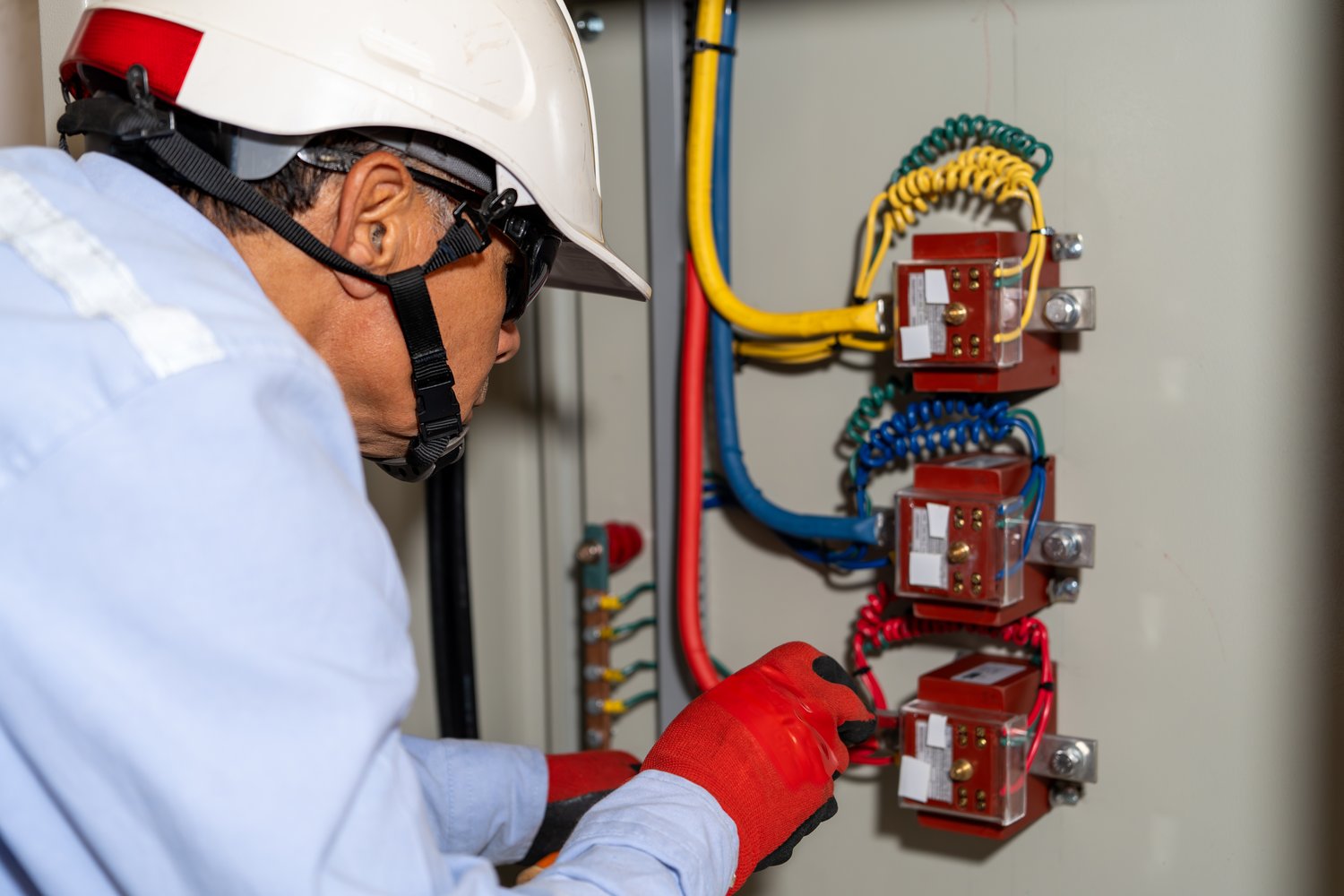
Preparation is critical when embarking on a DIY electrical system assessment. Start by gathering essential tools, such as a flashlight to inspect dark areas, safety gloves to protect against electric shocks, and a multimeter to check voltage levels accurately.
Before beginning your inspection, make sure to turn off the main power supply. This crucial step prevents accidents and ensures your safety while examining the electrical system in your home.
Inspect your circuit breaker panel to check for any signs of circuit overloads or flickering lights, which can indicate potential issues. Understanding how to identify these signs can help prevent more severe electrical problems down the road.
Adhering to safety protocols should be a priority throughout your inspection process. Ensure that you are working in a dry environment, wearing appropriate safety gear, and avoiding contact with water. These practices can significantly reduce the risk of electrical shock.
By dedicating time to thorough preparation, you set the foundation for an effective electrical system inspection. Proper preparation ensures a smooth and efficient assessment, making it easier to identify and address any issues that may arise. This proactive approach fosters a safer home environment and demonstrates responsible homeownership.
Step-by-Step Guide to Conduct an Electrical Safety Inspection: DIY Home Electrical System Assessment
Embarking on a DIY home electrical system assessment can be a rewarding task that boosts household safety. To ensure a comprehensive safety inspection, begin by switching off the main power supply to eliminate any hazards. This step is crucial for preventing accidental shocks or injuries during the inspection.
Once the power is off, begin by examining the electrical panel. Check for any signs of wear, such as burn marks or frayed wires. Ensuring all circuit breakers and fuses are functioning correctly is essential to prevent circuit overloads, a common cause of home electrical fires.
Next, proceed to inspect all visible wiring in your home. Look for any wires that appear worn, exposed, or damaged. Damaged wiring is a significant risk factor for electrical shorts and fires, making rewiring necessary in some cases.
Pay close attention to electrical outlets and switches. Ensure they are not warm to the touch and are free from any scorch marks. An unsecured outlet or switch can be a sign of loose wiring, which requires immediate attention.
Test each Ground Fault Circuit Interrupter (GFCI) outlet by pressing the ‘test’ and ‘reset’ buttons to confirm they are operational. GFCI outlets are vital for preventing electrocutions and should be installed in areas prone to moisture, such as kitchens and bathrooms.
Conclude your inspection by rechecking your home grounding connections. Grounding is a vital aspect of your electrical system, averting the risk of electric shock by ensuring that any stray currents are safely channeled into the ground.
Record your findings and seek professional advice if you encounter any issues beyond your expertise. Regular reviews of your electrical system are essential to uphold the safety and integrity of your home.
Identifying and Addressing Common Electrical Hazards During Inspection
Electrical safety is a priority in every home, and knowing how to identify and address hazards can make all the difference. Faulty wiring is perhaps the most common electrical hazard encountered. Look for worn or exposed wiring that could lead to shorts or electrical fires. If detected, it is advisable to repair or replace these wires promptly.
Outdated equipment is another notable risk factor. Older appliances can cause circuit overloads and increased fire risks. Ensure all equipment is up to modern safety standards, and consider upgrading to energy-efficient models that are not only safer but also environmentally friendly.
Grounding issues pose significant risks, as they prevent proper electrical flow, leading to potential shocks. During the inspection, verify that all grounded outlets feature the three-pronged design and that grounding wires are correctly installed. Any anomalies should be addressed immediately, preferably by a certified electrician.
Insufficient outlet coverage may lead to over-reliance on extension cords, which can quickly become overloaded. Improving outlet coverage by installing additional sockets is a practical solution that can help manage electrical loads more effectively.
By staying vigilant and addressing these common electrical hazards during your inspections, you can significantly improve the safety and reliability of your home’s electrical system.
Ensuring Long-term Electrical Safety Post-Assessment
Once you’ve completed your DIY home electrical system assessment, maintaining long-term electrical safety should become a priority. Consistently prioritizing electrical safety not only protects your home from potential hazards but also enhances the efficiency and reliability of your system.
Regular maintenance routines are crucial in ensuring the ongoing safety of your home’s electrical infrastructure. Begin by scheduling periodic checks of your electrical panels and grounding systems. This ensures they remain in top condition and can handle the electrical load of your household appliances.
Consider investing in quality surge protectors to safeguard your electronics from voltage spikes. Surge protectors are a cost-effective way to prevent extensive damage to your electrical devices, especially during power surges caused by lightning or power restoration following an outage.
Upgrading outdated wiring is another important strategy for enhancing system reliability. Older wiring may not meet current safety standards and could pose a fire risk. Consulting with a licensed electrician can help determine the necessary upgrades to keep your home up to code and running efficiently.
It’s also beneficial to regularly review and test smoke and carbon monoxide detectors. These devices are essential components of home safety, providing early warnings that can prevent serious emergencies.
Creating a checklist for routine inspections and adhering to it can help keep potential electrical issues at bay. By making small adjustments and maintaining vigilance, you can significantly reduce risks and ensure electrical safety in your home.
Would you like more tips on modernizing your electrical systems? Or do you have experiences to share about improving home electrical safety? Your insights could help fellow readers navigate similar challenges effectively.
FAQ: DIY Home Electrical System Assessment
What tools are essential for a DIY electrical inspection?
Essential tools include a multimeter, non-contact voltage tester, and insulated screwdrivers.
How often should I conduct an electrical safety assessment?
A comprehensive inspection should be conducted at least once a year.
What are common signs of electrical hazards in a home?
Common signs include flickering lights, burning smells, and frequently tripping circuit breakers.
How can I determine if there is a grounding issue?
Use a multimeter to check if outlets are properly grounded and identify any discrepancies.
What steps can I take for long-term electrical safety?
Schedule regular checks, update outdated wiring, and use energy-efficient appliances.