
As the shift to electric vehicles gains momentum, more homeowners are considering the convenience of installing an EV charging station at home. This not only cuts down on visits to public chargers but also aligns with future energy efficiency trends. Embarking on this installation journey isn’t just about connecting cables; it’s about ensuring your setup is efficient, safe, and compatible with your vehicle and home electrical systems.
- Gain a clear understanding of the essential components of a home EV charger system to ensure compatibility and functionality.
- Discover the must-have tools and equipment that make the home installation process smooth and hassle-free.
- Follow a comprehensive, step-by-step guide that takes you from planning your setup to safely wiring and testing your home charger.
By exploring this guide, you’ll equip yourself with the knowledge needed to confidently tackle the installation of a home EV charging station, enhancing the practicality and efficiency of your electric vehicle experience.
Understanding Electric Vehicle Charging Station Installation: Home Charger Basics
Before diving into the wiring process for your electric vehicle charging station, it’s crucial to understand the fundamental components and requirements. Compatibility between your home EV charger and your vehicle, as well as your home’s electrical system, is essential for efficient operation.
Your home charging station will likely consist of several key components, including the charging unit itself, a compatible charging cable, and an appropriate connector for your electric vehicle. It’s important that these components align with the specific requirements of your EV model to ensure optimal charging performance.
Understanding the amperage and voltage requirements of your EV charging station is also essential. Most home chargers typically operate at 240 volts and require a dedicated circuit, which is vital for preventing overloading your home’s electrical system.
Additionally, the location of your charger installation is a critical consideration. Ensure that the charging station is installed safely, allowing easy access for plugging in your vehicle while keeping the cable away from walkways or areas that can create tripping hazards.
By getting familiar with these home charger basics, you can efficiently plan the installation and setup, providing a seamless charging experience for your electric vehicle.
Essential Tools and Equipment for Home EV Charger Wiring
Having the right tools and equipment on hand can significantly streamline the wiring process for your home EV charger installation. Proper preparation makes the installation smoother and more efficient.
Start with a reliable voltage tester to ensure a safe work environment. This tool is essential for confirming that electrical circuits are inactive before beginning any wiring work.
Wire cutters and strippers are also necessary, as they allow you to trim and prepare wires accurately. Precise cutting and stripping minimize the risk of loose connections, ensuring a more secure setup.
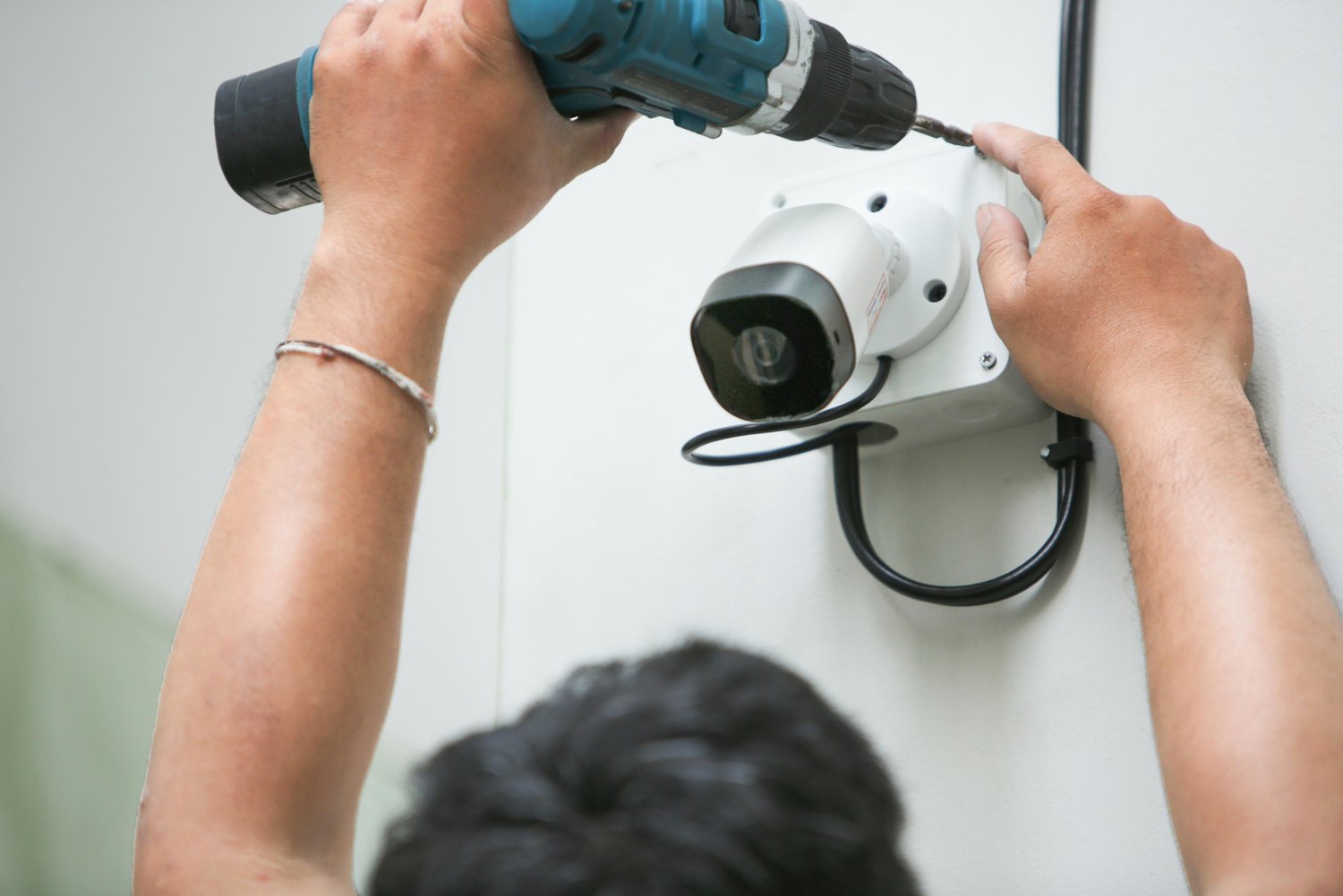
Investing in a sturdy drill with assorted drill bits will aid in mounting the charging station securely to the wall, while a quality level helps ensure the unit remains aligned for both aesthetic and functional purposes.
A reliable wrench set is crucial for tightening connections, especially when mounting or securing components. Additionally, having an assortment of screwdrivers will assist with the assembly and adjustment of the station’s components.
Lastly, consulting a professional or providing a multimeter can help in testing the completed setup to confirm that your installation is safely and effectively integrated with your electrical system.
By gathering these essential tools and equipment, you’re not only preparing for a successful installation but also ensuring that your home EV charging station operates at its best.
Step-by-Step Electric Vehicle Charging Station Installation: Home Wiring Guide
Setting up a home electric vehicle charging station involves several critical steps to ensure a successful installation. In this section, we’ll explore a detailed guide that helps you properly wire your home EV charger, enhancing the convenience and efficiency of charging your electric vehicle right from your driveway.
Planning the Installation Layout
Begin the process by planning the ideal location for your EV charging station. Assess your garage or driveway to identify a spot that offers easy accessibility and short distance to your vehicle. Ensure the area is free of obstructions and provides adequate protection from weather elements. Planning appropriately will minimize cable runs and reduce overall installation costs.
Selecting a Compatible Charger
Opt for a charger that matches your electric vehicle’s specifications. Check for compatibility with both your EV and home electrical system. Level 2 chargers are typically recommended for home installations, offering faster charging times. Consult your vehicle’s manual or manufacturer for advice on the best type of EV charger.
Preparing Electrical Wiring
Before starting any wiring tasks, make sure all power is turned off to the installation site to prevent electrical hazards. You will likely need an electrical circuit with a dedicated 240-volt supply. Consider the local building codes and regulations, which may require a permit for this kind of work. Always use high-quality, weather-resistant cables and connections.
Connecting the Charger
Carefully connect the wires to your charging station according to the manufacturer’s instructions. Typically, this involves connecting the ground wire, live wires, and neutral wire, ensuring all connections are secure. Tighten all terminals to specification. It’s crucial to double-check your work to prevent potential short circuits or electrical faults.
Testing and Finalizing
Once everything is wired up, turn the power back on and test your charging station. Verify that the charger is functioning correctly by plugging in your EV and checking for proper charging. Look for any error messages or abnormalities in the charging indicator lights. Testing ensures that the entire installation is safe and operational for routine use.
By following these steps, you’ll be able to confidently install a home EV charging station. However, if you’re uncertain at any stage, it is advisable to consult or hire a professional electrician to ensure safety and compliance with local electrical codes.
Frequently Asked Questions About Home EV Charger Wiring
What is the typical cost of installing a home EV charging station?
The cost typically ranges from €500 to €2,000, depending on equipment and labor.
Do I need a permit for installing a home EV charger?
Yes, most local regulations require a permit. Check with your municipality.
How much time does it take to charge an EV at home?
On average, it takes 4 to 8 hours with a Level 2 charger.
Can I install a home EV charger myself?
Basic installation may be done by skilled individuals, but professional assistance is recommended for safety.
What are the power requirements for a home EV charger?
Typically requires a 240V outlet on a dedicated 30-50 amp circuit.
Does a home EV charger work with all electric vehicles?
Most chargers are universal, but confirm compatibility with your EV manufacturer.
Are there tax incentives for installing an EV charger?
Many regions offer tax credits or rebates. Check local and federal programs.