
To ensure that electric heat pumps operate efficiently, especially during the colder months, understanding backup heating element wiring is paramount. While these elements might not be the star of your HVAC system, they certainly play a critical supporting role when temperatures drop. Miswiring or neglecting these connections can lead to inefficiencies and potential safety hazards.
- Learn the key components of backup heating elements and their functions in maintaining heat during cold conditions.
- Discover installation tips that enhance the durability and reliability of wiring connections.
- Avoid common electrical wiring mistakes to ensure safety and efficiency.
By delving into this guide, you’ll gain valuable insights into optimizing your heat pump’s backup system. Whether you’re a professional or a DIY enthusiast, understanding these connections can significantly impact energy efficiency and system performance.
Understanding Electric Heat Pump Wiring: Backup Heating Element Connections
Electric heat pumps are a cornerstone in modern heating solutions due to their efficiency and reliability. The wiring of backup heating elements is a crucial aspect that enhances these systems, particularly when temperatures drop significantly. Backup heating elements are specifically designed to step in during cold spells, ensuring the heat pump continues operating at optimal levels.
When outdoor temperatures plunge, the primary system efficiency can falter. Here, the backup heating elements are activated to provide supplemental heat. Proper wiring of these elements ensures seamless integration and prevents system overloads. Correct connections are key not only for operational efficiency but also for safety, minimizing the risk of electrical faults.
Understanding the placement and function of backup heating elements within the electric heat pump system is vital. Whether you are dealing with an air-source heat pump or a geothermal model, the setup and wiring considerations might vary. Insight into these connections helps in diagnosing problems and performing effective maintenance. Proper wiring ensures that the transition to backup heat is smooth, maintaining comfort levels without spikes in energy consumption.
Components of Backup Heating Elements
Backup heating elements are composed of various critical components that together ensure efficient operation of the heat pump. Understanding each element’s function helps in appreciating the whole system’s design and reliability.
Resistors are crucial in backup heating elements, providing the resistance required to generate heat when activated. These components convert electrical energy into thermal energy efficiently, especially during periods when the primary heat pump struggles.
Thermostats play a pivotal role by monitoring internal and external temperatures. They trigger the backup elements only when necessary, ensuring energy is not wasted. A well-calibrated thermostat contributes significantly to optimizing energy consumption.
Relays serve as switches that electrically disconnect or connect the backup elements. They are responsible for turning the elements on or off based on the control signals from the thermostat. Relays are vital in protecting the system from overheating and potential electrical damage.
Each of these components must be correctly installed and regularly maintained to guarantee the backup heating elements function seamlessly within the larger system. Proper integration allows the heat pump to deliver optimal performance without interruptions.
Installation Tips for Electric Heat Pump Wiring: Backup Heating Element Connections
Proper installation of electrical wiring for heat pump backup heating elements is crucial for ensuring safety and maximizing efficiency. Here are some key tips that can help guide you through the process:
Understand the System Requirements: Before starting the installation, familiarize yourself with the specific requirements of your electric heat pump system. Refer to the manufacturer’s guidelines and ensure that the backup heating elements are compatible with the main heating system to prevent any operational issues.
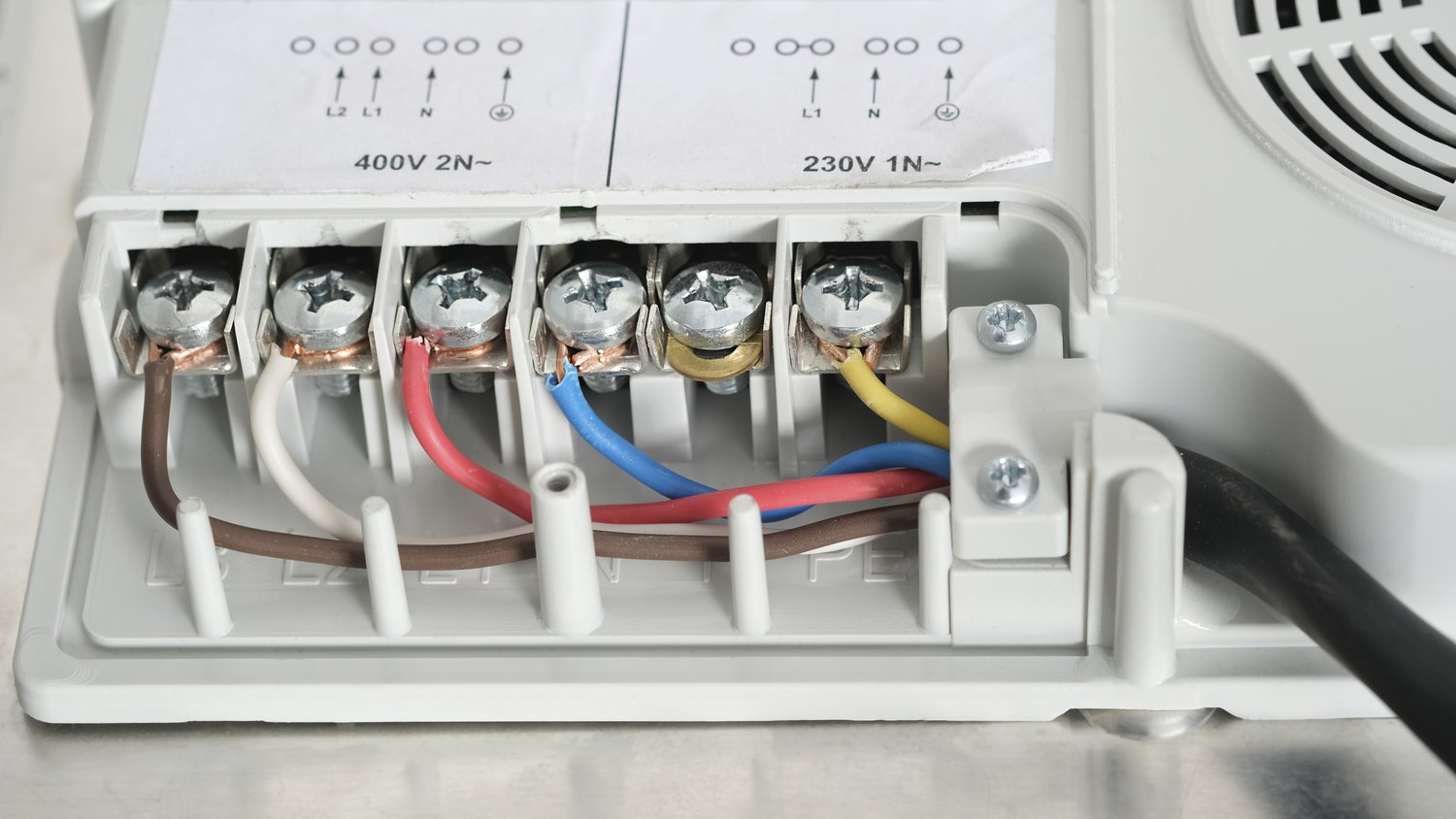
Secure and Reliable Connections: Ensuring secure connections is vital to preventing electrical failures. Use high-quality connectors that are designed to withstand the electrical load of the backup heater. Double-check all connections to see they are tight, minimizing the risk of loose wires, which might lead to short circuits or inefficiencies in the system.
Appropriate Wiring Techniques: Employ proper wiring techniques to maintain system effectiveness. Use the correct wire gauge to handle the electrical current required by the backup heating element. It’s advisable to use wire strippers and proper tools to avoid damaging the wires, which can result in poor performance or safety hazards.
Common Mistakes to Avoid:
When installing or wiring backup heating elements, steer clear of frequent errors. Avoid using undersized wires as they can overheat and cause fires. Ensure that all components such as resistors, thermostats, and relays are correctly installed and functioning as intended to avert any operational failures.
Additionally, always switch off the power source before beginning the installation to protect yourself from electric shock.
Given the complexities of electrical systems, consider consulting with a professional if you’re unsure about any step. This will help ensure a proper installation and optimal performance of your electric heat pump.
Electric Heat Pump Wiring FAQ
What is the role of backup heating elements in heat pumps?
Backup heating elements provide additional heat during extremely cold temperatures when the heat pump alone may not suffice.
Are backup heating elements necessary for all heat pumps?
They are essential in colder climates where the primary heat pump may not meet heating demands efficiently.
What components are crucial in backup heating element wiring?
- Resistors
- Thermostats
- Relays
Can I install backup heating elements myself?
Installation is complex and requires electrical expertise. Hiring a professional ensures safety and reliability.
What if my backup heating element fails to operate?
Check connections, resistors, thermostats, and relays. Consult a professional if issues persist.