
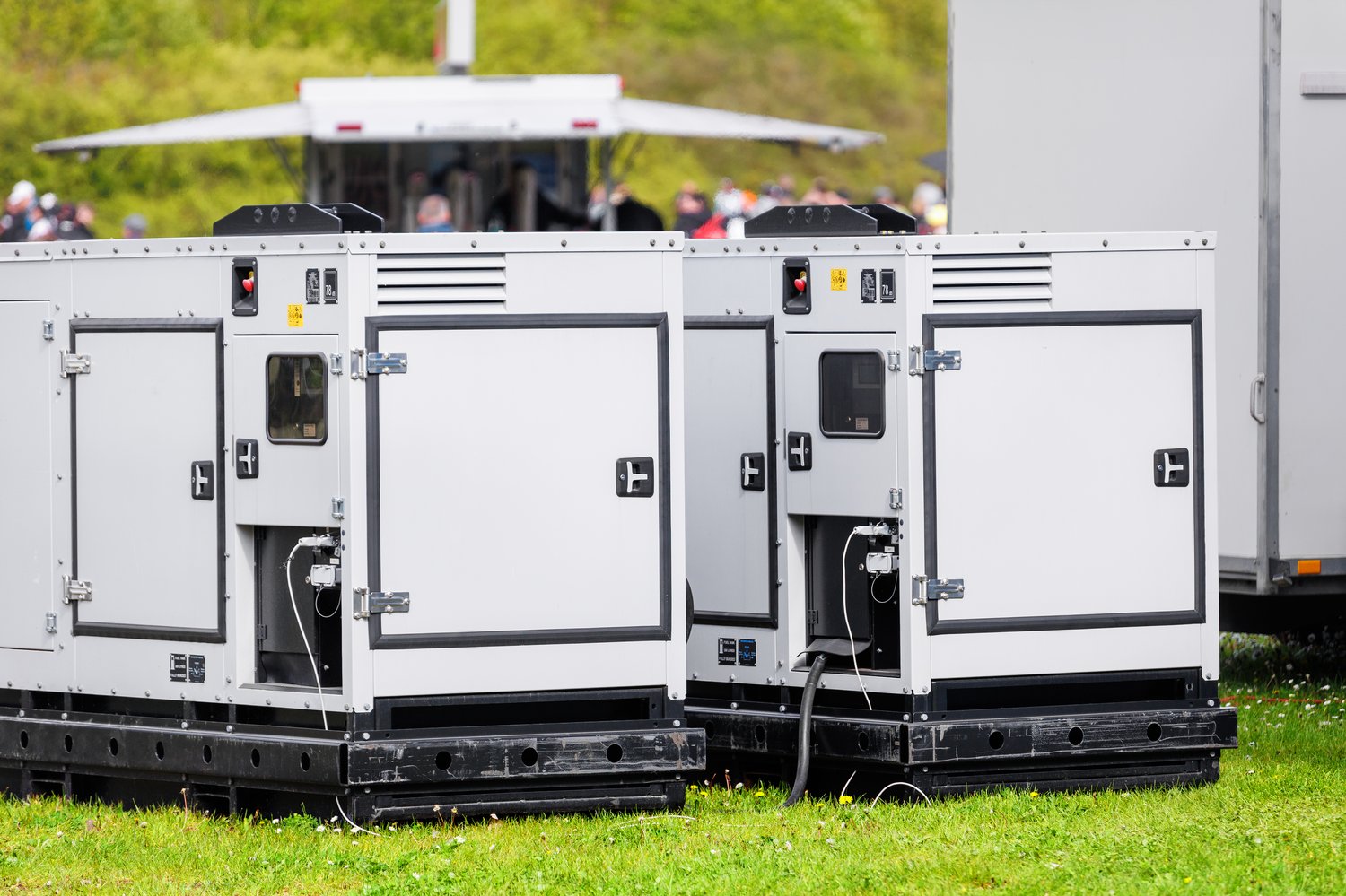

When the power goes out unexpectedly, do you have a safe and reliable backup plan? Navigating the setup of a portable emergency generator can seem daunting but is essential for ensuring your home’s electrical continuity during crises. Whether it’s keeping the lights on or preventing food spoilage, understanding the safe connection of a portable generator is crucial for every homeowner or business operator.
- Portable generators play a pivotal role in maintaining electrical continuity during power failures.
- Before you connect your generator, certain checks and steps are vital for safety and efficiency.
- Proper connection techniques can prevent hazardous situations and ensure a secure operation.
- Avoid common connection mistakes to maintain safety and reliability of your generator.
By mastering these connection practices and conducting routine maintenance, you can transform your portable emergency generator into a dependable ally during power outages. Dive into our guide to learn how you can shield your home or business effectively.
Understanding the Role of a Portable Generator in Electrical Emergency Generator Solutions
Portable generators are essential components in the array of electrical emergency generator solutions available today. They offer a flexible and efficient backup power source during outages, ensuring that critical appliances and systems continue to function smoothly.
These generators are indispensable in both residential settings and commercial environments, where power continuity is crucial. Whether it’s keeping the lights on in your home or maintaining operations in a small business, portable generators play a pivotal role in providing a reliable power supply.
One of the key advantages of using portable generators is their mobility. Unlike stationary models, they can be easily transported to different locations, making them perfect for both temporary and long-term needs. This flexibility is especially beneficial in scenarios where a quick response is necessary due to unexpected power failures.
Moreover, modern portable generators are equipped with advanced features, such as automatic transfer switches and remote start capabilities, which enhance their efficiency and ease of use. These attributes make them a preferred choice for many seeking dependable solutions during emergencies.
Ultimately, understanding the proper role and application of portable generators in the context of electrical emergency generator systems is crucial. Their ability to maintain electrical continuity during power outages is integral to safeguarding homes and businesses, providing peace of mind knowing that essential functions remain uninterrupted.
Pre-connection Checklist for Electrical Emergency Generators
Before embarking on the task of connecting a portable generator, it’s vital to follow a structured pre-connection checklist. This ensures a safe and efficient process, minimizing potential hazards and maximizing generator efficiency.
1. Equipment Inspection: Start by thoroughly examining your portable generator. Ensure that it is in good working order, checking for any visible damage or abnormalities. Pay close attention to the fuel and oil levels, and ensure that all cables are intact and securely fastened.
2. Environment Assessment: Evaluate the location where you intend to place the generator. It should be in a well-ventilated, dry area, away from any open windows or doors to prevent carbon monoxide hazards. Additionally, the ground surface should be stable and level to support the generator’s weight.
3. Load Calculation: Determine the power requirements of the appliances or systems you plan to connect to the generator. Ensure that the total wattage does not exceed the generator’s capacity to avoid overloading it.
4. Safety Equipment: Have the necessary safety gear on hand, such as gloves and eye protection. It’s also advisable to have a fire extinguisher nearby in case of emergencies.
By adhering to this pre-connection checklist, you significantly enhance the safety and effectiveness of your portable generator setup, ensuring a reliable backup power system when needed most.
Proper Connection Techniques for Ensuring Portable Unit Safety
Connecting a portable emergency generator safely involves several crucial steps to prevent risks and ensure efficiency. When faced with a power outage, it is essential to know the correct methods for establishing a secure connection between the generator and your electrical systems. This not only preserves the integrity of your equipment but also safeguards your environment.
Before initiating any connection, ensure the generator is placed on a flat, stable surface away from moisture and open doors or windows. This will prevent carbon monoxide buildup and reduce the risk of accidental tipping. Using outdoor-rated extension cords is vital; they should be heavy-duty with a suitable amperage rating to handle the load and equipped with three-pronged plugs for grounding.
Install proper transfer switches—these are critical for the seamless operation of the generator. A transfer switch safely shifts the power source from the main grid to the generator without back-feeding, which could otherwise endanger utility workers or damage equipment. Securing professional assistance for installation is advisable to ensure compliance with safety standards and local regulations.
Finally, always utilize ground-fault circuit interrupters (GFCIs) to prevent electrical shock. Regularly checking and testing these systems enhances safety, especially in wet or damp conditions. Prioritizing these techniques in every setup guarantees not only the operational safety of the generator but also the well-being of those who rely on it.
Common Mistakes to Avoid in Portable Unit Connection for Electrical Emergency Generators
When attempting to connect a portable generator, certain common mistakes can lead to hazardous situations and compromised reliability. One frequent error is overloading the generator. Understanding the generator’s capacity is key; exceeding this limit can cause circuit breakers to trip or could even damage the generator.
Another critical mistake is back-feeding power into a utility line by using an incorrectly installed connection. This can be extremely dangerous for maintenance personnel and cause irreparable damage to your system. Using a properly installed transfer switch is non-negotiable to prevent such risks.
Avoid using extension cords that are not suited for the generator’s power. Non-rated cords can overheat and pose a fire risk. Employ extension cords that are appropriate for outdoor use and match the generator’s load requirements.
Lastly, neglecting regular maintenance checks can lead to operational failures. Always inspect and test the generator periodically to ensure it remains in reliable working condition. Replace any damaged or worn-out parts promptly. By staying vigilant and avoiding these common mistakes, you can ensure your portable unit delivers when needed most.
Routine Maintenance and Safety Checks for Ongoing Portable Unit Safety
Ensuring the ongoing safety and reliability of your portable generator requires a commitment to regular maintenance and thorough safety inspections. To maintain optimal performance, it is crucial to integrate a routine check-up schedule into your emergency preparedness plan. This practice not only prolongs the generator’s lifespan but also ensures it operates efficiently during unexpected power outages.
Start by scheduling routine maintenance checks every few months. During these inspections, pay close attention to the oil levels and cleanliness of the air filters. Clean or replace the air filter regularly to prevent debris accumulation, which can hinder the generator’s performance.
Moreover, scrutinize the spark plugs for any signs of wear or damage. Replace them if necessary to ensure a smooth ignition. Alongside, check for any signs of fuel leakage or corrosion in the fuel system, as these can pose significant safety risks.
Do not overlook the importance of testing the generator periodically without leaving it idle for long periods. Conduct a test run for a few minutes to verify that the unit starts smoothly and the power output is stable.
Finally, always store the generator in a dry and secure location to prevent exposure to harsh weather conditions, which could affect its operational integrity. Regular safety checks will help detect potential issues early, minimizing the chances of malfunction during a real emergency.
By following these comprehensive maintenance practices and safety checks, you ensure your portable generator remains a reliable and safe asset when you need it most.
FAQs on Portable Emergency Generator Safety
What is the main purpose of a portable generator?
A portable generator provides backup power during outages, ensuring electrical continuity in emergencies.
What should I check before connecting my portable generator?
Inspect the equipment, check fuel levels, and assess the environment for hazards before connection.
How can I safely connect my portable generator?
Use proper cables, avoid backfeeding, and connect to essential circuits only to ensure safety.
What common mistakes should I avoid?
Avoid overloading, improper cable connections, and using the generator indoors to prevent accidents.
How often should I perform maintenance checks?
Regularly, including before and after each use, to keep the generator operational and safe.