

Your home or business may be at risk without you even knowing it. Electrical ground faults, often invisible until significant damage occurs, pose severe threats to both property and personal safety. Understanding these hidden dangers and learning how to detect and fix them can prevent potentially catastrophic consequences. This article delves into essential testing and repair methods, guiding you through maintaining a safe electrical system.
- Learn the causes and dangers associated with electrical ground faults, a critical safety concern in any building.
- Discover common indicators that a ground fault might be affecting your system, helping you catch issues early before they escalate.
- Explore professional methods for accurately testing and identifying electrical ground faults, ensuring thorough and precise diagnosis.
- Find out about the tools and techniques that facilitate efficient and safe ground fault repairs, protecting both your system and users.
- Gain insights into preventative measures that reduce the risk of ground faults, safeguarding against future electrical issues.
By diving into this article, you’ll arm yourself with the knowledge needed to tackle electrical ground faults confidently. Not only will this help ensure the safety and efficiency of your systems, but it will also empower you to implement long-term protective strategies. Continue reading to unlock the full slate of expert insights and practical advice.
Understanding Electrical Ground Fault Detection: Testing and Repair Methods
Electrical ground faults can pose significant risks in both residential and commercial settings. These faults occur when an unintended path forms between the electrical system and the ground, often leading to dangerous situations.
Such connections might arise due to faulty wiring, damaged insulation, or moisture infiltration. The importance of electrical ground fault detection cannot be overstated, as these faults can lead to electrical shocks, fires, and equipment damage.
Having a clear understanding of the causes of these faults is crucial. This ensures timely detection and effective repair, thus enhancing the safety and efficiency of your electrical system.
By familiarizing oneself with testing and repair methods, both homeowners and professionals can protect their properties and loved ones from potential harm.
Common Causes and Indicators of Electrical Ground Faults
Recognizing the root causes of electrical ground faults is a proactive step towards preventing related hazards. Faulty wiring is a primary culprit, often stemming from improper installation or wear and tear over time.
Another common cause is damaged insulation. This can result in exposed wires that make unintended contact with conductive materials, leading to a fault.
Moisture is also a silent adversary, especially in areas prone to water exposure like bathrooms and kitchens. Moisture can degrade insulation and facilitate shorts in the electrical system.
Indicators of ground faults are varied. Frequent tripping of circuit breakers may be one of the first signs. Unexplained power fluctuations or a persistent buzzing sound in outlets can also serve as warnings.
Recognizing these common causes and indicators early can prevent more severe issues, ensuring the continued safety of your electrical system.
Methods for Testing Electrical Ground Faults
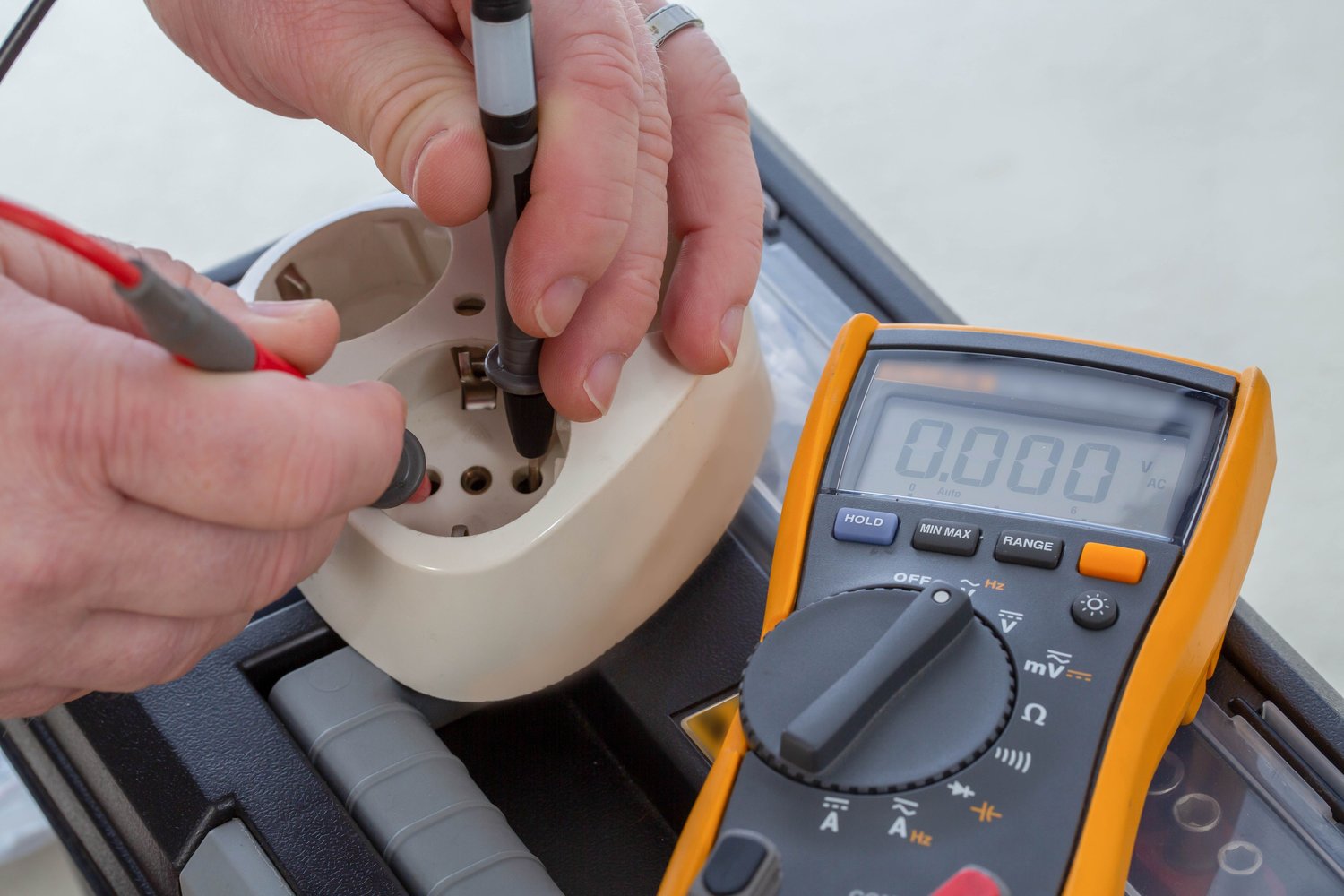
Testing for ground faults is a critical step in ensuring the safety and efficiency of any electrical system. Professionals employ several methods to accurately identify these potentially hazardous faults. The most commonly used technique is the use of a multimeter to measure resistance levels, which helps in detecting unexpected connections between the electrical circuit and the ground.
Another popular method is the insulation resistance test, which involves applying a voltage to a component to check its insulation integrity. This test can highlight weak points that may lead to ground faults. Additionally, ground fault circuit interrupters (GFCIs) are invaluable in quickly identifying issues and protecting electrical circuits from current leaks.
It’s important to conduct these tests regularly, as they can prevent potential electrical hazards and improve system longevity. For homeowners and professionals alike, understanding these testing methods not only contributes to a safer environment but also enhances your ability to maintain your electrical systems efficiently.
Tools and Techniques for Efficient Ground Fault Repair
Once a ground fault has been identified, addressing it promptly and effectively is paramount. The repair process typically begins with the use of high-quality insulated tools to ensure the safety of the one performing the repairs. These tools help in carefully isolating and correcting the fault.
Techniques such as wire replacement or insulation reinforcement are often employed to address areas where the fault is present. In cases where components show extensive wear, it may be necessary to replace them entirely to ensure the system’s integrity.
Moreover, employing advanced diagnostic devices can aid in pinpointing the exact location of the fault, making the repair process more efficient. Regular training in the latest repair techniques is advisable to stay updated with industry standards and ensure effective handling of ground faults.
Using these tools and techniques not only ensures the safe repair of ground faults but also extends the lifespan of the entire electrical system, optimizing it for daily use and preventing future issues.
Preventative Measures: Reducing the Risk of Ground Faults
Preventing electrical ground faults not only ensures the safety of your home or business but also optimizes the efficiency of your electrical system. Proactive maintenance and strategic planning are key to minimizing the occurrence of these faults.
One of the most effective preventative measures is the regular inspection of wiring and electrical components. Over time, wiring can degrade, leading to potential connection issues. Scheduling routine inspections by a certified electrician can identify and rectify problems before they escalate.
Another significant step is ensuring that all electrical systems are installed according to current electrical codes and regulations. This includes using high-quality materials and following proper installation procedures to avoid potential vulnerabilities.
Investing in quality circuit protection devices, such as Ground Fault Circuit Interrupters (GFCIs), is crucial. These devices rapidly disconnect a circuit when they detect an imbalance between incoming and outgoing current, preventing potential ground faults. GFCIs provide an extra layer of protection, especially in moisture-prone areas like bathrooms and kitchens.
Maintaining a clean and dry environment around electrical installations can significantly reduce the risk of ground faults. Moisture can disrupt the balance of electrical systems, so it is essential to ensure that all connections and fittings are secure and that potential water sources are managed effectively.
Regularly updating older systems to incorporate modern technologies designed to enhance safety and reliability can also prevent faults. System updates can include new insulation materials and advanced monitoring systems that alert you to potential electrical issues before they become serious problems.
Finally, educating everyone about the importance of electrical safety can play a vital role in prevention. Awareness programs or even simple reminders can empower individuals to spot potential issues early and act accordingly.
Frequently Asked Questions about Electrical Ground Fault Detection and Repair
What is an electrical ground fault?
An electrical ground fault occurs when electrical currents unintentionally find a path to the ground, often due to damaged wiring or insulation.
Why are ground faults dangerous?
Ground faults can lead to electrical shocks, fires, and damage to appliances, making them a serious safety hazard.
How can I detect a ground fault?
Use a circuit tester or consult a professional to inspect circuits for irregularities indicating a ground fault.
What tools are needed for repairing ground faults?
Common tools include
- multimeters
- insulation resistance testers
- screwdrivers
- wire strippers
Can I repair a ground fault myself?
Only if you have the proper knowledge and equipment. Otherwise, seek professional help to avoid risks.
What are some signs of a ground fault?
Signs include tripped circuit breakers, flickering lights, or malfunctioning appliances.
How can I prevent ground faults?
Regularly inspect wiring and appliances, and replace damaged components promptly to prevent ground faults.