Essential guide to modern electrical connections for your workspace
Understanding modern connector types and their applications
Modern electrical systems require various types of connectors to function properly. These components serve as crucial links between different devices and power sources. Connectors and installation sockets form the backbone of any electrical installation. They ensure safe power distribution throughout residential and commercial buildings. Professional electricians rely on high-quality connectors to maintain system reliability and prevent electrical hazards.
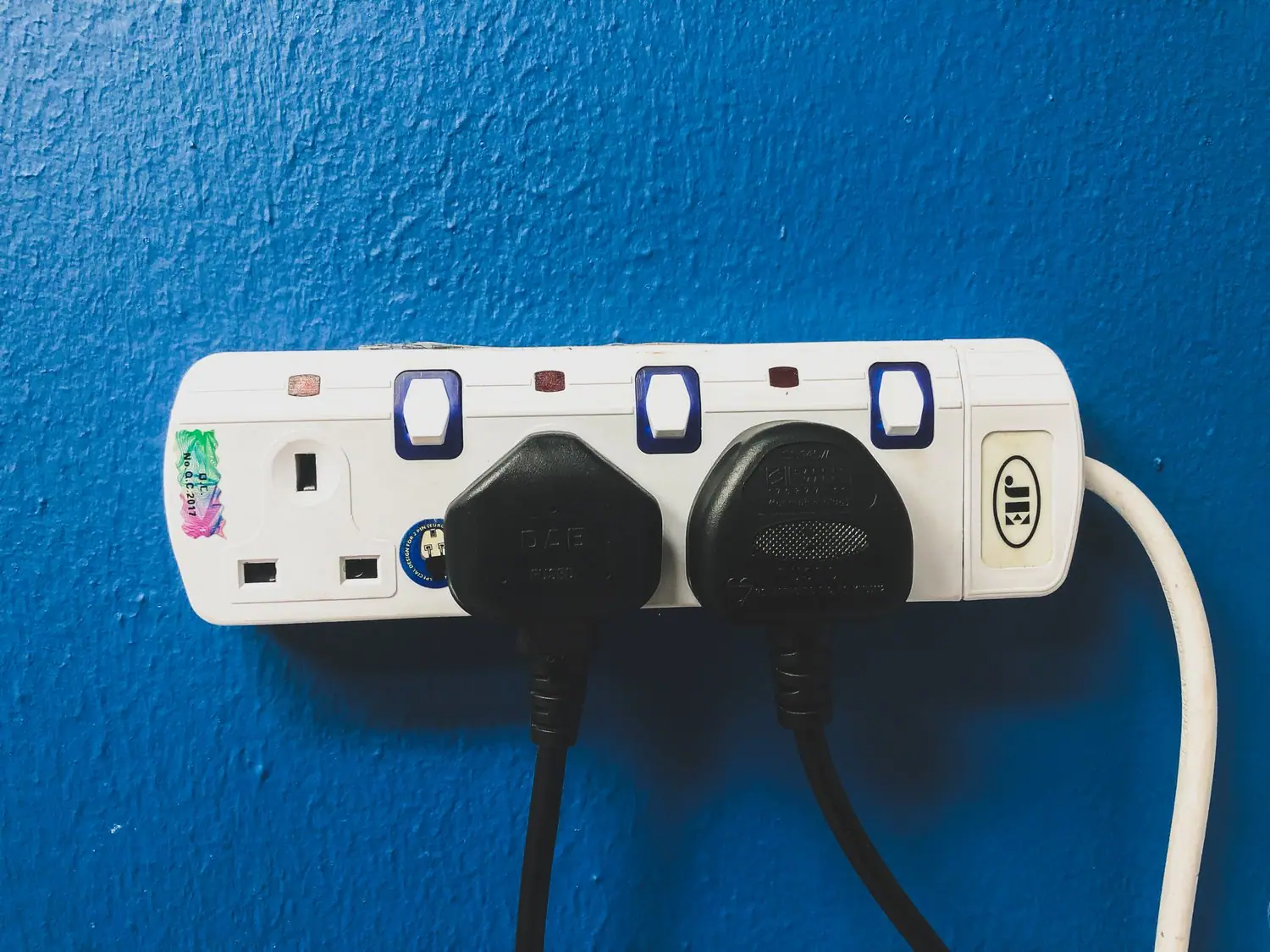
Standard wall outlets represent the most common type of electrical connector in homes and offices. These units typically handle 230V power supply for everyday appliances. USB outlets have gained popularity in recent years, providing direct charging capabilities for mobile devices. Smart outlets now offer remote control features and energy monitoring functions. Each outlet type serves specific purposes and requires proper installation techniques.
Industrial connectors differ significantly from residential versions in their construction and capacity. Heavy-duty models can handle currents up to 63A for high-power equipment. Weatherproof connectors protect outdoor installations from moisture and environmental damage. Marine-grade units resist corrosion in harsh coastal conditions. Specialized connectors meet specific industry standards for safety and performance.
Installation quality directly affects connector performance and longevity. Proper wire connections prevent overheating and potential fire hazards. Electrical codes specify minimum requirements for connector spacing and placement. Ground fault circuit interrupters (GFCI) provide additional safety in wet locations. Arc fault circuit interrupters (AFCI) protect against dangerous electrical arcs in branch circuits.
Choosing appropriate Connectors and installation sockets https://onninen.pl/en/products/Home-office-and-RTV-equipments/Connectors-and-installation-sockets requires understanding load requirements and environmental conditions. Voltage ratings must match or exceed circuit specifications. Current capacity should accommodate maximum expected loads with 20% safety margin. Professional consultation ensures code compliance and optimal system performance. Quality components reduce maintenance costs and extend service life.
Essential equipment for home offices and entertainment systems
Modern workspaces demand reliable electrical infrastructure to support various technological devices. Computer systems require stable power supplies with surge protection capabilities. Multiple monitor setups need dedicated circuits to prevent voltage drops during peak usage. Printer networks consume significant power during operation cycles. Home office and RTV equipments have specific electrical requirements that differ from standard household appliances.
Audio-visual systems present unique installation challenges due to their complexity and power demands. Sound systems can draw up to 15A during peak performance periods. Video projectors require dedicated cooling circuits to maintain optimal operating temperatures. Gaming consoles need clean power supplies to prevent data corruption and system crashes. Cable management systems organize connections while maintaining proper ventilation for heat dissipation.
Network infrastructure forms the foundation of modern digital workspaces. Ethernet cables require Cat6 or Cat6a specifications for gigabit internet speeds. Fiber optic connections provide maximum bandwidth for data-intensive applications. Wireless access points need strategic placement for optimal coverage areas. Power over Ethernet (PoE) systems simplify installation by combining data and power delivery.
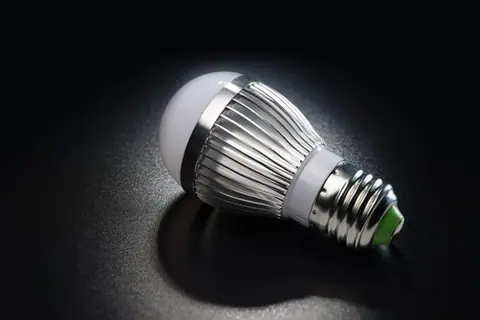
Lighting systems significantly impact productivity and comfort in work environments. LED fixtures consume 75% less energy than traditional incandescent bulbs. Dimmer controls allow users to adjust brightness levels throughout the day. Color temperature options range from 2700K warm white to 6500K cool daylight. Smart lighting systems integrate with home automation platforms for enhanced control capabilities.
Climate control systems maintain comfortable working conditions while managing energy consumption efficiently. Programmable thermostats reduce heating and cooling costs by 10-15% annually. Ceiling fans improve air circulation and reduce perceived temperatures by 4-6 degrees. Proper ventilation prevents moisture buildup and maintains indoor air quality. Home office and RTV equipments https://onninen.pl/en/products/Home-office-and-RTV-equipments benefit from stable environmental conditions for optimal performance and longevity.
Installation best practices and safety considerations
Professional installation ensures electrical systems meet current safety standards and building codes. Licensed electricians possess the knowledge and tools necessary for complex installations. They understand local permit requirements and inspection procedures. Proper planning prevents costly mistakes and ensures system reliability. DIY installations may void equipment warranties and create safety hazards.
Circuit planning involves calculating total loads and determining appropriate breaker sizes. Standard 15A circuits support up to 12A continuous loads safely. Dedicated 20A circuits serve high-power equipment like laser printers and large monitors. GFCI protection is mandatory in bathrooms, kitchens, and outdoor locations. AFCI breakers protect bedroom and living area circuits from arc faults.
Wire selection depends on circuit amperage, distance, and environmental conditions. 14 AWG copper wire handles 15A circuits for distances up to 100 feet. 12 AWG wire supports 20A circuits with minimal voltage drop. Aluminum wiring requires special connectors and installation techniques. Cable routing through walls and ceilings must follow fire safety guidelines.
Grounding systems provide essential safety protection against electrical faults. Equipment grounding conductors connect metal enclosures to the electrical panel ground bus. Grounding electrode conductors link the electrical system to earth ground rods. Bonding conductors eliminate potential differences between metal objects. Proper grounding reduces shock hazards and improves system performance.
Testing and maintenance procedures verify system safety and identify potential problems early. Ground fault circuit interrupter outlets require monthly testing using built-in test buttons. Infrared thermography detects hot spots indicating loose connections or overloaded circuits. Load testing ensures circuits can handle their rated capacity without overheating. Annual inspections by qualified professionals prevent equipment failures and safety hazards.
Read also
Essential guide to choosing the right electrical components for your installation projects
Electrical apparatus forms the backbone of every modern installation system.
Read more: Essential guide to choosing the right electrical components for your installation projects
How to choose the right plastic piping system for your plumbing project
Plastic installations have become increasingly popular in modern plumbing due to their…
Read more: How to choose the right plastic piping system for your plumbing project
Choose the right LED lighting solutions for your electrical projects
LED plafonds offer exceptional energy efficiency compared to traditional ceiling fixtures.
Read more: Choose the right LED lighting solutions for your electrical projects