
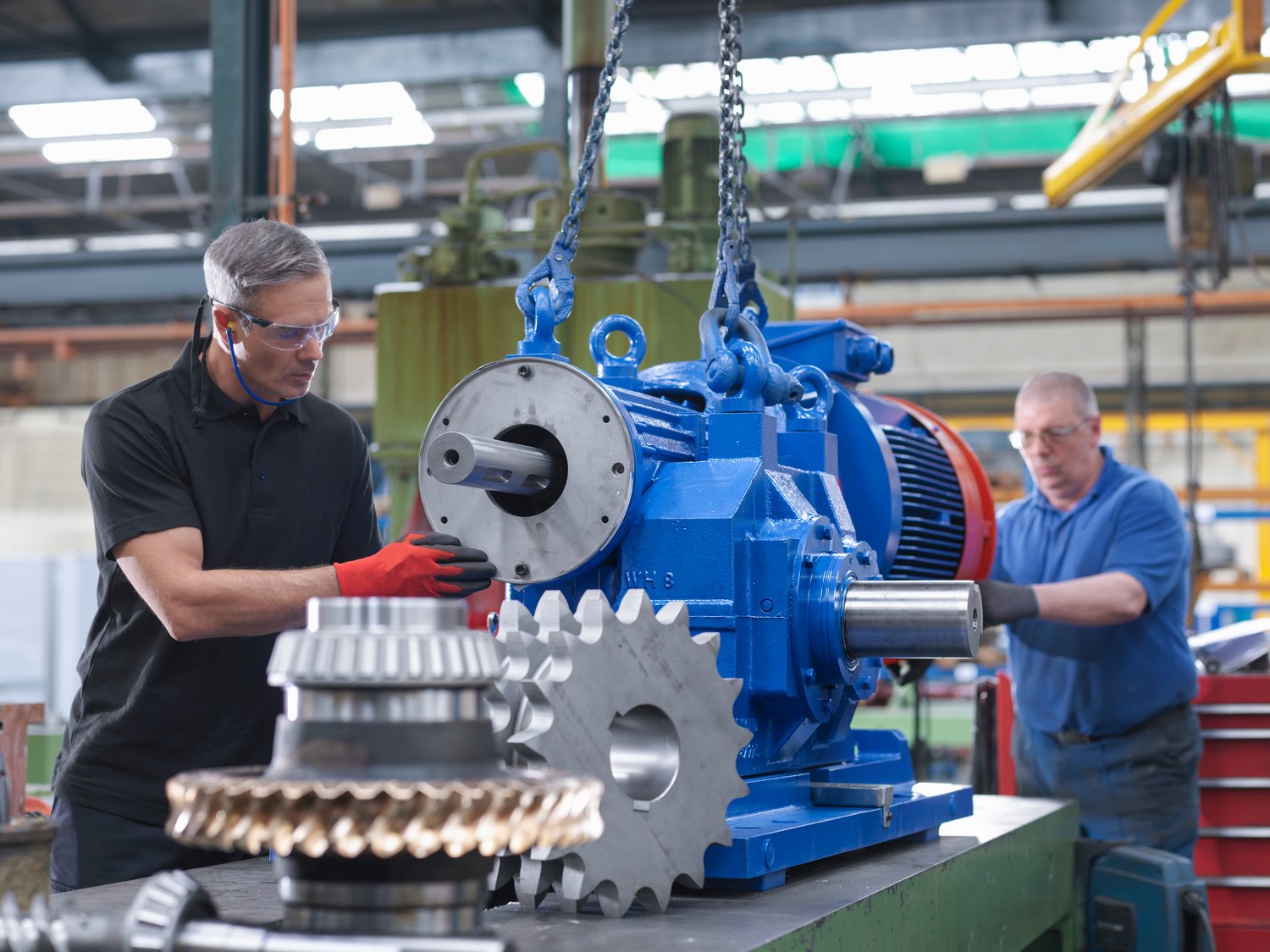

Understanding different types of industrial pumps
Industrial pumps serve as the backbone of countless manufacturing processes across various sectors. These mechanical devices move fluids through pipelines, tanks, and processing equipment with remarkable efficiency. Centrifugal pumps handle approximately 80% of all industrial applications due to their simple design and reliable operation.
Positive displacement pumps offer precise flow control for specialized applications. They maintain consistent output regardless of pressure variations in the system. Gear pumps, diaphragm pumps, and piston pumps fall into this category and excel in high-pressure situations.
Submersible pumps work entirely underwater or within the fluid they transport. Their sealed construction prevents contamination and reduces noise levels significantly. These units typically operate at depths ranging from 3 to 300 meters depending on their specific design.
Magnetic drive pumps eliminate shaft seals completely through magnetic coupling technology. This innovation prevents leaks of hazardous or expensive fluids. Industrial pumps with magnetic drives often last 25% longer than conventional sealed models.
Selecting the right dosing pumps for precise applications
Dosing pumps deliver exact quantities of chemicals, additives, or treatments into process streams. These precision instruments maintain accuracy within ±1% of their rated capacity across most operating conditions. Water treatment facilities rely on them for chlorine injection, pH adjustment, and coagulant addition.
Diaphragm dosing pumps use flexible membranes to create the pumping action without direct contact between drive components and process fluid. They handle corrosive chemicals, abrasive slurries, and toxic substances safely. Flow rates typically range from 0.1 to 2000 liters per hour depending on model specifications.
Peristaltic dosing pumps squeeze flexible tubing to move fluids without contamination risks. The pumped medium only contacts the interior of the disposable tube. This design eliminates cleaning requirements between different chemicals and reduces maintenance costs by up to 40%.
Dosing pumps with digital controls offer programmable flow rates, batch quantities, and timing sequences. Advanced models store up to 50 different programs for various production recipes. They communicate with plant control systems through standard industrial protocols.
Essential maintenance practices for pump longevity
Regular inspection schedules prevent costly breakdowns and extend equipment lifespan significantly. Visual checks should occur weekly, focusing on leaks, unusual vibrations, and bearing temperatures. Bearing failures account for approximately 45% of all pump breakdowns in industrial facilities.
Lubrication management requires attention to oil levels, contamination, and change intervals. High-quality synthetic lubricants can extend bearing life by 60% compared to conventional mineral oils. Temperature monitoring helps detect developing problems before they cause catastrophic failures.
Impeller clearances affect both efficiency and wear patterns within centrifugal pumps. Excessive clearances reduce performance by 15-20% while increasing energy consumption. Precision measurement tools help maintenance teams determine optimal replacement timing for these critical components.
Seal replacement represents another crucial maintenance task that impacts pump reliability. Mechanical seals typically last 12-18 months in standard applications but may require more frequent attention in harsh environments. Industry and maintenance professionals recommend keeping spare seal kits readily available for critical pumps.
Troubleshooting common pump performance issues
Low flow rates often indicate suction problems, worn impellers, or incorrect speed settings. Cavitation damage occurs when suction pressure drops below the required net positive suction head. This phenomenon creates vapor bubbles that collapse violently, eroding metal surfaces over time.
Excessive vibration usually stems from misalignment, unbalanced impellers, or worn bearings. Laser alignment tools ensure proper coupling alignment within 0.002 inches of specification. Portable vibration analyzers help identify specific frequencies associated with different mechanical problems.
Power consumption increases may signal internal wear, system blockages, or operating point changes. Energy monitoring systems track consumption patterns and alert operators to efficiency degradation. Some facilities achieve 20-30% energy savings through systematic pump optimization programs.
Noise levels exceeding normal operating ranges indicate developing mechanical issues or cavitation conditions. Sound level meters help establish baseline measurements for comparison during routine inspections. Proper installation practices, including adequate piping support and flexible connections, minimize noise transmission to surrounding areas.