
Understanding basic lighting requirements for different rooms
Every room in your home requires different lighting solutions based on its specific purpose and usage patterns. Kitchen areas typically need 50-100 lumens per square foot to ensure adequate visibility for food preparation and cooking tasks. Living rooms function well with 10-20 lumens per square foot, creating a comfortable atmosphere for relaxation and entertainment. Bedrooms benefit from adjustable lighting options that range from 10-20 lumens per square foot for general activities.
Bathroom lighting presents unique challenges due to moisture and safety considerations. These spaces require IP44-rated fixtures near bathtubs and showers to prevent water damage. Task lighting around mirrors should provide 75-100 lumens per square foot for grooming activities. Ceiling-mounted options work best for general illumination in these environments.
Hallways and staircases demand consistent illumination for safety purposes throughout the day and night. Motion sensors can reduce energy consumption by 30-50% in these transitional spaces. Emergency lighting systems become crucial in multi-story buildings where power outages could create hazardous conditions.
Home offices require specialized lighting solutions to reduce eye strain during extended work periods. Computer workstations benefit from indirect lighting that minimizes screen glare while providing sufficient illumination for paperwork. Adjustable desk lamps with 500-1000 lux output help maintain productivity levels throughout the workday.
Outdoor areas need weather-resistant solutions that can withstand temperature fluctuations and precipitation. Garden pathways typically require 1-5 lumens per square foot for safe navigation after dark. Security lighting systems should provide 10-20 lumens per square foot in critical areas around entry points and vulnerable zones.
Selecting appropriate light fixtures for your space
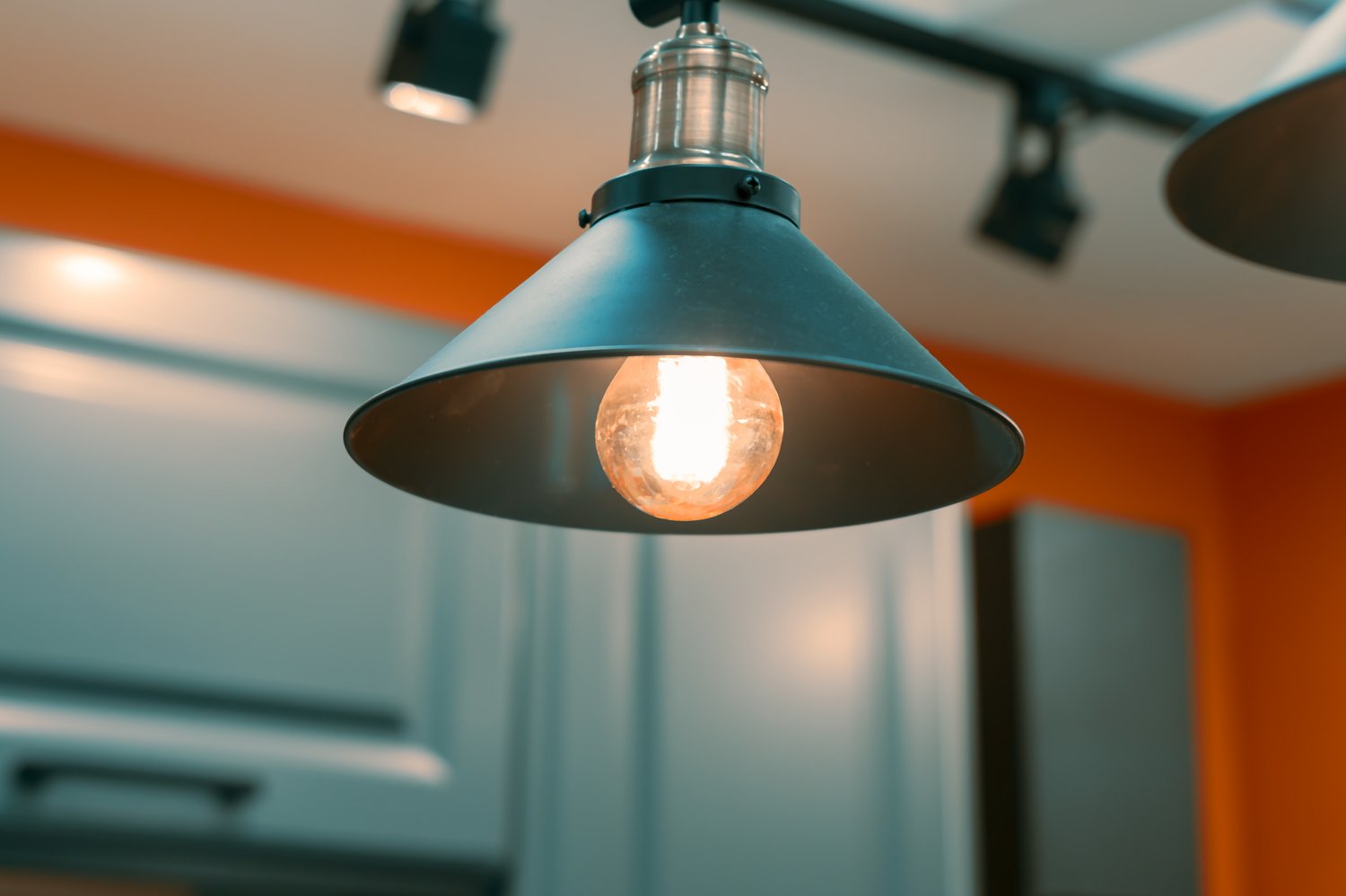
Ceiling-mounted fixtures serve as primary light sources in most residential applications. Chandeliers work best in dining rooms with ceiling heights above 8 feet, requiring 2.5-3 inches of fixture height per foot of room height. Pendant lights offer focused illumination over kitchen islands and dining tables, typically hanging 30-36 inches above the surface. Recessed lights provide clean, modern aesthetics while delivering uniform light distribution throughout the space.
Wall-mounted sconces complement overhead lighting by adding layers of illumination to room designs. These fixtures should be installed 60-66 inches from the floor for optimal light distribution and visual comfort. Bathroom vanity lights require spacing of 28-30 inches apart for even facial illumination during grooming activities.
Track lighting systems offer flexibility for highlighting artwork, architectural features, or task areas within a room. Individual track heads can be adjusted to direct light precisely where needed, making them ideal for retail displays or gallery walls. Light fixtures of this type typically accommodate 4-6 heads per 8-foot track section.
Floor and table lamps provide portable lighting solutions that can be repositioned as needs change over time. Task lamps should position their light source 15-18 inches above the work surface to minimize shadows and glare. Accent lamps contribute to ambient lighting levels while serving as decorative elements in room designs.
Under-cabinet lighting enhances functionality in kitchens by eliminating shadows on countertop work surfaces. LED strip lights consume 75% less energy than traditional incandescent options while lasting 25 times longer. These installations require careful planning to ensure even light distribution without visible hot spots or dark areas.
Choosing the right light sources for energy efficiency
LED technology has revolutionized residential lighting by offering superior energy efficiency and longevity compared to traditional options. These light sources consume 75-80% less electricity than incandescent bulbs while lasting 25-50 times longer. Color temperature options range from warm 2700K to cool 6500K, allowing customization for different room atmospheres and activities.
Compact fluorescent lamps (CFLs) provide a middle-ground option between traditional incandescent and modern LED technology. They use 75% less energy than incandescent bulbs and last 10 times longer, making them cost-effective for budget-conscious consumers. However, CFLs require 2-3 minutes to reach full brightness and contain small amounts of mercury requiring proper disposal.
Halogen bulbs offer excellent color rendering with a warm 3000K color temperature that closely mimics natural sunlight. These options work well in track lighting and recessed applications where precise beam control is important. Their lifespan reaches 2000-4000 hours, which is double that of standard incandescent bulbs but significantly less than LED alternatives.
Light sources with dimming capabilities allow users to adjust brightness levels according to specific activities and time of day. Dimmable LEDs maintain their color consistency across the full dimming range, unlike some fluorescent options that shift color temperature when dimmed. Smart bulbs offer remote control through smartphone apps and can be programmed for automatic scheduling.
Specialty light sources serve specific applications like plant growth, art illumination, or therapeutic purposes. Full-spectrum bulbs produce light wavelengths that closely match natural sunlight, benefiting indoor plants and seasonal mood disorders. UV-filtered options protect artwork and fabrics from fading while still providing adequate illumination for viewing and appreciation.
Installation tips and safety considerations for electrical lighting
Electrical safety must be the top priority when installing any lighting system in residential or commercial environments. All electrical work should comply with local building codes and NEC (National Electrical Code) standards to ensure safe operation. Circuit breakers should be sized appropriately for the total load, typically allowing 80% of breaker capacity for continuous loads like lighting circuits.
Wire gauge selection depends on circuit length and total amperage requirements for connected lighting loads. 14 AWG wire supports up to 15 amperes on circuits up to 100 feet long, while 12 AWG wire handles 20 amperes for the same distance. Voltage drop calculations become critical for longer runs where excessive drop could cause fixture performance issues or safety concerns.
Junction boxes must be rated for the weight and type of fixtures being installed to prevent structural failures. Standard ceiling boxes support fixtures up to 50 pounds, while heavy-duty boxes accommodate weights up to 70 pounds. Fan-rated boxes are required for ceiling fans and must be securely attached to structural members rather than just drywall.
Ground fault circuit interrupter (GFCI) protection is mandatory for lighting circuits in bathrooms, basements, garages, and outdoor locations. These safety devices monitor current flow and shut off power within 4-6 milliseconds if ground faults are detected. Lighting installations in wet or damp locations require fixtures with appropriate IP ratings for moisture protection.
Professional installation ensures compliance with local codes and manufacturer specifications while maintaining warranty coverage. Licensed electricians carry insurance protection and possess the expertise to handle complex wiring situations safely. DIY installations should be limited to simple fixture replacements on existing circuits, while new circuit installation requires professional expertise and inspection approval.