
Electrical systems might seem like a complex web of circuits and currents, but understanding how to effectively manage a branch circuit distribution with an electrical subpanel can significantly enhance both safety and efficiency in your home or business. If you’re ready to boost your electrical setup, this guide is designed to illuminate the key elements of subpanel installation and optimize power management strategies.
- Gain Insight: Learn the critical role of electrical subpanels in extending the power reach of main panels and ensuring effective energy distribution.
- Installation Steps: Follow a detailed, step-by-step approach to safely installing an electrical subpanel, complete with essential tools and precautions.
- Best Practices: Discover proven strategies to optimize circuit load distribution and prevent common issues for a reliable electrical system.
By diving into the nuances of electrical subpanel installation and branch circuit distribution, you’ll unlock techniques to improve your electrical setup’s performance and safety, equipping you with the knowledge to tackle any related challenges efficiently.
Understanding Electrical Subpanel Installation: Branch Circuit Distribution Essentials
Electrical subpanels are vital components in both residential and commercial electrical systems. They play a crucial role in branch circuit distribution by allowing the main electrical panel to extend its reach. Subpanels help distribute power to various parts of a building efficiently, enabling effective power management.
The significance of subpanels lies in their ability to manage circuit loads and facilitate the addition of new circuits without overloading the main panel. This setup not only ensures a balanced distribution of electricity but also enhances safety by reducing the risk of electrical overloads.
Understanding how subpanels work is essential for anyone looking to upgrade or improve their electrical system. By using an electrical subpanel, you can customize power distribution to meet the specific needs of different areas, which is particularly advantageous for businesses that require more tailored electrical setups.
In sum, electrical subpanels serve as instrumental tools in optimizing household and business electrical systems. They bolster the capacity, efficiency, and safety of the electrical infrastructure, fostering a more reliable power network throughout the premises.
Step-by-Step Guide to Electrical Subpanel Installation
Installing an electrical subpanel involves a series of detailed steps designed to maintain safety and efficiency. It is essential to prepare properly, starting with gathering the necessary tools. You will need screwdrivers, wire strippers, circuit testers, and appropriate safety gear.
First, ensure you shut off the main power supply to avoid electrical shock. Verify that the power is off by using a non-contact voltage tester on the wires you’ll be working with. This ensures a safe environment to proceed with the installation.
Next, mount the subpanel in a suitable location near the area where additional circuits are needed. Secure it using screws and a mounting board if necessary. Ensure the location conforms with local building codes and regulations.
Once the subpanel is in place, connect it to the main panel using feeder cables. These cables should be correctly sized to handle the additional load without risking excess heat buildup.
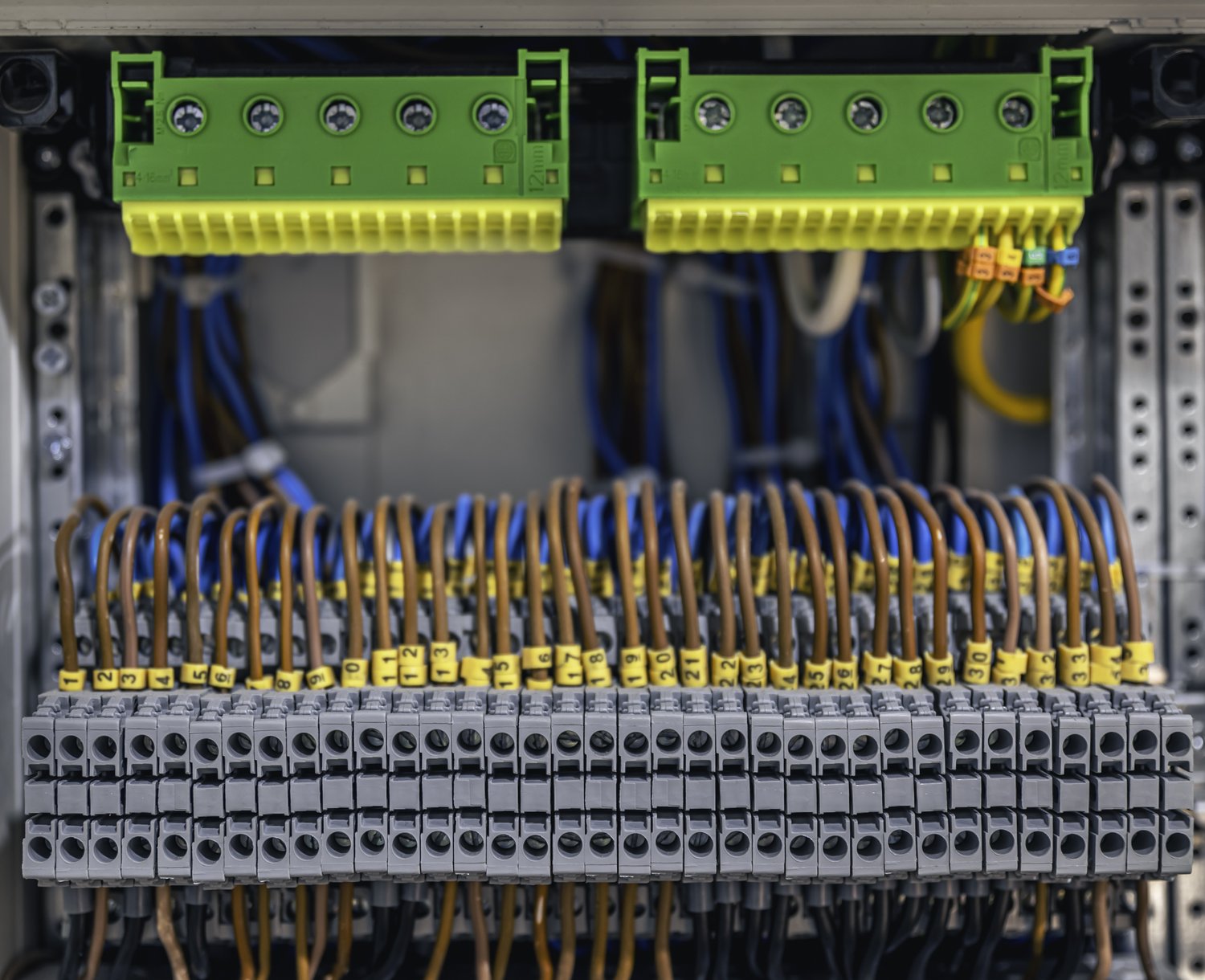
After connecting the feeders, install breakers in the subpanel according to your power distribution plan. It’s crucial to accurately label each breaker to facilitate easy identification and maintenance.
Finally, test the connections for continuity and proper voltage using a multimeter or similar tool. This examination helps affirm that the installation process adhered to safety regulations and operational standards.
By following these steps, you can ensure that your electrical subpanel installation is conducted safely and efficiently, providing reliable service for your home’s or business’s power needs.
Electrical Subpanel Installation: Branch Circuit Distribution Best Practices
To ensure a reliable and safe electrical system in both residential and commercial settings, adhering to best practices for electrical subpanel installation and branch circuit distribution is paramount.
One of the key best practices is to ensure that the load distribution across the branch circuits is optimized. This not only improves efficiency but also prevents overloading, which can lead to electrical failures or hazards. Balance the load as evenly as possible among the various circuits to achieve optimal performance.
Another vital aspect of best practices is regular maintenance. Conduct periodic inspections to identify any signs of wear, loose connections, or potential overloads. Ensuring that all components are in good working condition helps maintain a safe and efficient system. Regular maintenance can also prevent unexpected outages and extend the service life of the electrical equipment.
Additionally, using high-quality materials for subpanel setup can significantly enhance the system’s reliability. Ensure that all wires, circuit breakers, and other components meet industry standards and are suitable for the specific environment and electrical demands.
Proper labeling of the circuits within the subpanel is another important practice. This not only aids in convenient troubleshooting but also enhances safety by allowing quick identification of circuit functions in case of emergencies or repairs.
Lastly, always keep safety as the top priority during installation and maintenance. Follow all local electrical codes and guidelines, and consider consulting with a professional electrician to verify that the installation meets all necessary safety standards.
Implementing these best practices will help you maintain an efficient and safe electrical system, minimizing risks and ensuring operational continuity for your home or business.
Electrical Subpanel Installation FAQ
What is the purpose of an electrical subpanel?
An electrical subpanel distributes power to different areas, extending the reach of the main panel and balancing circuit loads.
When should I consider installing an electrical subpanel?
Consider installing a subpanel when additional circuits are needed for new rooms or high-power appliances.
What safety precautions are necessary for subpanel installation?
Ensure the power is turned off before beginning. Use proper protective gear and adhere to local electrical codes.
Do I need a permit to install an electrical subpanel?
Yes, a permit is typically required to ensure the installation complies with local codes and standards.
Can a homeowner install an electrical subpanel by themselves?
While possible, it’s recommended to hire a professional electrician to ensure safety and compliance.
How often should I perform maintenance on my subpanel?
Regularly check for any signs of wear or corrosion, and have a professional examine it every 3-5 years.
What are common signs of issues in an electrical subpanel?
Tripping breakers, unusual noises, or burn marks can indicate problems needing immediate attention.
Are there specific tools needed for subpanel installation?
Yes, basic tools include wire strippers, a screwdriver, and a voltage tester.
Can expanding my electrical system increase my energy efficiency?
Yes, redistributing loads with an optimized subpanel can improve energy efficiency and reduce strain on circuits.