
External installations require careful planning and professional execution to protect your property from water damage. These systems handle rainwater, wastewater, and surface water efficiently. Proper drainage prevents flooding around buildings and maintains structural integrity. You need reliable components that withstand weather conditions throughout the year. Modern drainage solutions include various pipe materials, fittings, and connection systems. PVC pipes offer excellent durability for most residential applications. Cast iron systems provide superior strength for heavy-duty commercial projects. Professional installers recommend using certified products that meet local building codes and regulations. Quality external drainage components typically last between 25 to 50 years with proper maintenance. Regular inspection prevents costly repairs and system failures. You should check connections, joints, and pipe conditions annually. Early detection of problems saves money and protects your investment in the long term.
Choosing the right drainage components for your project
External instalations https://onninen.pl/en/products/External-Installations demand high-quality materials that resist corrosion and temperature fluctuations. Underground pipes face constant moisture exposure and soil pressure. Polypropylene systems offer excellent chemical resistance and flexibility. These materials expand and contract safely during seasonal temperature changes without cracking or breaking. Pipe diameter selection depends on water volume calculations and local rainfall data. Residential properties typically require 110mm to 160mm diameter pipes for main drainage lines. Commercial buildings often need 200mm to 315mm systems to handle larger water volumes. Your local weather patterns determine the minimum capacity requirements for effective drainage performance. Connection fittings must match pipe materials and provide watertight seals under ground conditions. Rubber gasket joints create reliable connections that accommodate minor ground movement. Push-fit systems simplify installation while maintaining professional quality standards. Proper joint preparation and lubrication ensure long-lasting performance in demanding underground environments. Professional suppliers stock complete ranges of compatible components from leading European manufacturers. Quality control standards ensure dimensional accuracy and material consistency across product lines. Bulk purchasing options reduce project costs while maintaining specification requirements. Technical support helps contractors select optimal solutions for specific site conditions and budget constraints.
Installing effective surface water management systems
Surface water collection requires strategic placement of drainage channels and collection points. External linear drains capture water efficiently along driveways, patios, and building perimeters. These systems prevent water accumulation that causes structural damage and safety hazards. Proper slope calculations ensure water flows consistently toward collection points without creating standing pools. Channel drain systems typically require 1% to 2% gradient for effective water flow. Polymer concrete channels offer superior durability compared to traditional concrete alternatives. Stainless steel grating provides excellent load resistance for vehicle traffic areas. Professional installation includes proper foundation preparation and waterproof membrane connections to existing drainage networks. Load classification determines grating specifications for different applications and traffic conditions. Class A systems handle pedestrian areas up to 1.5 tonnes loading capacity. Class D drainage supports heavy vehicle traffic with loading capacities reaching 40 tonnes. Correct classification prevents structural failure and maintains long-term performance under expected usage conditions. External linear drains https://onninen.pl/en/products/External-Installations/External-linear-drains integrate seamlessly with underground pipe networks through professional connection systems. Outlet connections require careful sealing to prevent groundwater infiltration and system contamination. Maintenance access points facilitate cleaning and inspection throughout the system lifecycle. Regular maintenance schedules extend component life and optimize drainage performance.
Underground sewerage system installation best practices
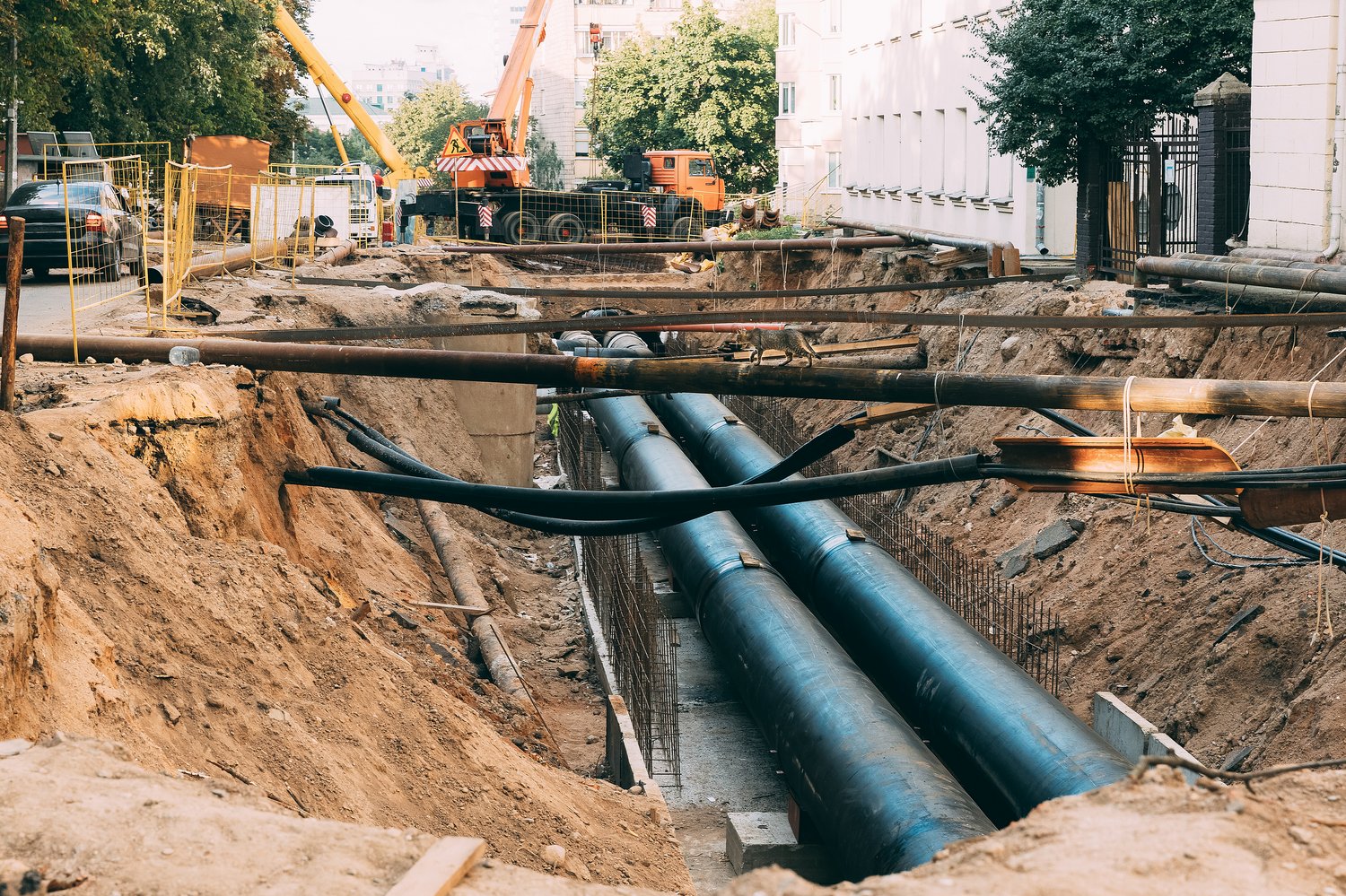
Underground sewerage networks require precise installation techniques to prevent leaks and system failures. Excavation depth depends on local frost line conditions and pipe protection requirements. Most regions require minimum 800mm to 1200mm burial depth for main sewerage lines. Proper bedding materials provide uniform pipe support and prevent point loading that causes cracks. Pipe bedding typically uses clean sand or fine gravel with maximum particle size of 20mm. Bedding thickness should measure 100mm minimum beneath pipe invert levels. Side support extends halfway up pipe diameter to distribute loads evenly. Compaction procedures follow manufacturer specifications to achieve required density without damaging pipe materials. Backfill operations proceed in controlled lifts with proper compaction at each stage. Initial backfill covers pipes by 300mm minimum before heavy compaction equipment operation. Hand compaction protects pipes from impact damage during early backfill stages. Final restoration matches existing ground levels and surface conditions according to local authority requirements. External sewerage https://onninen.pl/en/products/External-Installations/External-sewerage systems connect to municipal networks through approved connection procedures and inspection protocols. Licensed contractors ensure compliance with local water authority regulations and safety standards. Pressure testing validates system integrity before final backfilling and surface restoration. Documentation includes as-built drawings showing exact pipe locations for future maintenance and modification requirements.
Maintenance strategies for long-term system performance
Regular inspection schedules identify potential problems before they become expensive repairs or system failures. Annual visual inspections check surface components for damage, blockages, and proper water flow patterns. Professional cleaning services remove accumulated debris and sediment that reduces drainage capacity. Early intervention prevents minor issues from developing into major reconstruction projects. CCTV drain surveys provide detailed internal pipe condition assessments without excavation costs. These inspections identify root intrusion, joint displacement, and structural deterioration accurately. Survey reports include precise location data for targeted repairs and maintenance planning. Recommended survey frequency ranges from 3 to 5 years depending on pipe age and local conditions. Preventive maintenance includes regular grating cleaning, sediment removal, and vegetation control around drainage infrastructure. Blocked gratings reduce surface water collection capacity during heavy rainfall events. Seasonal maintenance schedules address autumn leaf accumulation and spring debris clearance systematically. Property owners save money through consistent maintenance compared to emergency repair costs. Professional maintenance contracts provide scheduled services and emergency response capabilities for commercial properties. Service agreements include parts, labor, and equipment necessary for comprehensive system care. Maintenance records document system performance and support warranty claims when component failures occur. Long-term contracts often include system upgrades and capacity improvements as requirements change over time.