
Electric sauna heaters bring the comforting warmth and relaxation of a spa right into your home, but have you considered the crucial role of wiring in the safe and efficient operation of these devices? Ensuring safe high-temperature circuit installations is not just about preventing mishaps—it’s about optimizing the longevity and performance of your sauna experience. This article dives into the essentials of electric sauna heater wiring so you can indulge in a safe, soothing escape right at home.
- Explore how safe and effective wiring of electric sauna heaters can drastically improve your comfort and safety.
- Discover the main components that make up electric sauna heaters and the best practices you should adhere to when wiring them.
- Learn the safety rules and regulations essential to prevent accidents and ensure your sauna runs optimally.
By the end of this article, you’ll have a deeper understanding of the technicalities behind your sauna’s wiring system and how following high-temperature circuit safety guidelines can enhance your overall sauna experience. Dive in to explore how these insights can help you ensure your sauna not only performs efficiently but also stands the test of time.
Understanding Electric Sauna Heater Wiring: High-Temperature Circuit Safety
Electric sauna heaters are designed to operate in high-temperature environments, which necessitates a thorough understanding of their wiring complexities. Ensuring high-temperature circuit safety is paramount to prevent overheating and electrical hazards.
The primary principle involves using materials and components that can withstand the intense heat generated within saunas. Selecting the appropriate high-temperature-resistant cables is critical, as these ensure efficient energy transfer while minimizing the risk of insulation degradation.
Another important aspect is the proper installation of thermal cut-off devices. These devices act as a safety measure by cutting the power supply if temperatures exceed safe limits, thereby preventing potential fire hazards.
Emphasizing the importance of a professional-grade installation, trained technicians should be engaged to guarantee that the wiring is executed according to regulatory standards. This reduces the likelihood of electrical faults and enhances the overall safety of the sauna environment.
Key Components and Wiring Techniques
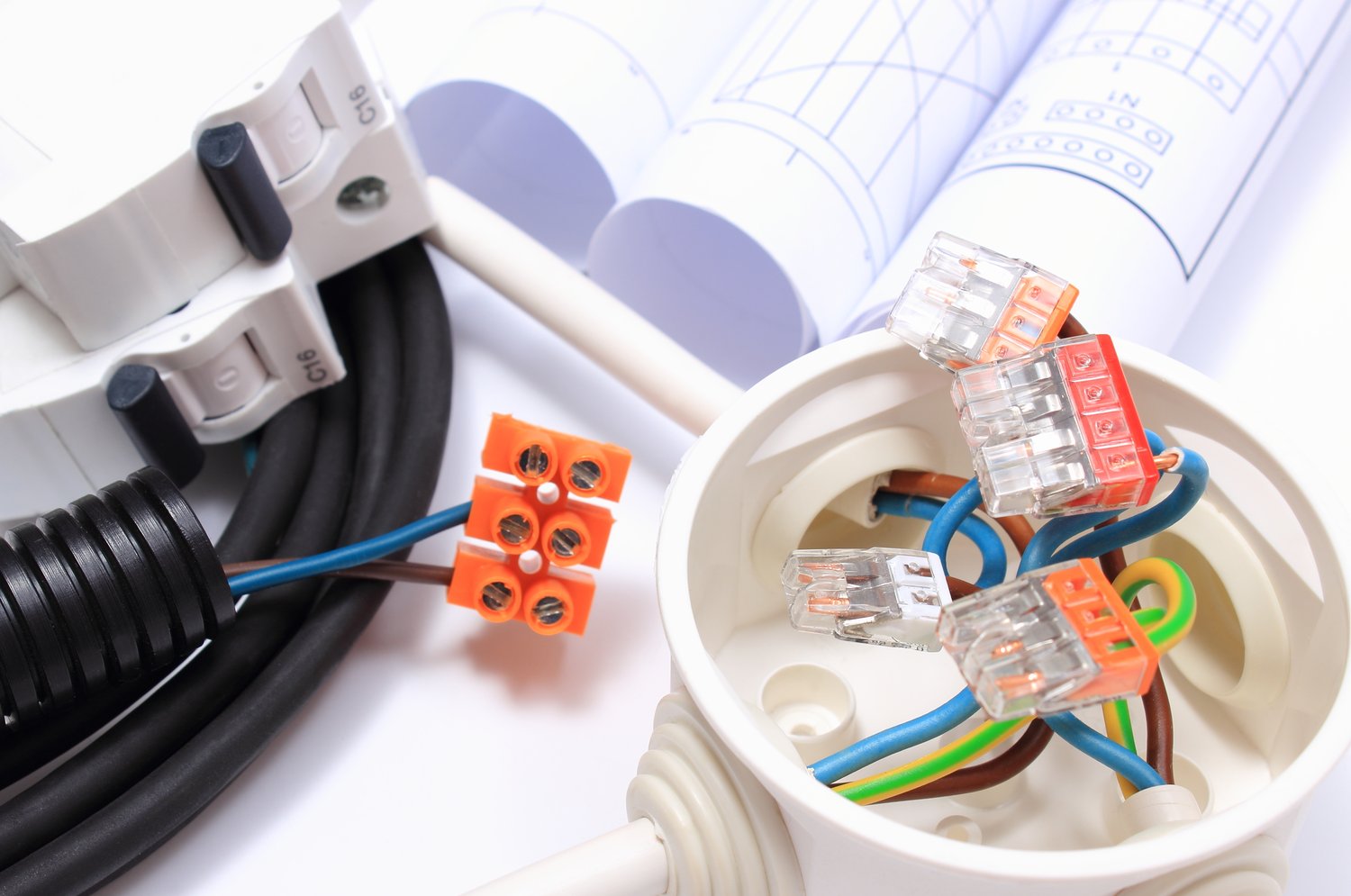
In the installation of electric sauna heaters, understanding the components involved is crucial for maintaining circuit safety and efficiency. Key components include the heating elements, control units, and high-temperature wiring.
The heating elements are the core of the electric sauna heater, responsible for generating heat. These elements must be carefully wired to prevent any electrical surges that could cause malfunction or damage.
Control units play an essential role in regulating the heater operation. They should be precisely wired to enable seamless temperature adjustments and to communicate with thermal sensors that ensure the safety cut-off is activated when necessary.
Best wiring practices involve securing connections tightly to minimize resistance and heat build-up. It’s advisable to regularly inspect these connections for any signs of wear or potential failure.
Implementing ground-fault circuit interrupters (GFCIs) is a best practice that adds an additional layer of protection by cutting off electricity in the event of a ground fault.
With these techniques and component insights, you can enhance the performance and safety of your sauna, ensuring a secure and relaxing experience.
Implementing Electric Sauna Heater Wiring: High-Temperature Circuit Safety Rules
Wiring an electric sauna heater requires a meticulous approach to maintain high-temperature circuit safety. Following the correct rules and regulations during the installation process is crucial.
Before you begin the wiring process, ensure that your heater’s power requirements align with your electrical system capacity. Consult the manufacturer’s specifications for the appropriate circuit breaker and wire gauge size. Using mismatched components can lead to overheating and potential fire hazards.
It’s essential to confirm that your electrical supply is turned off before beginning any installation process. This precaution helps to eliminate the risk of electric shock, protecting both you and the equipment. Remember to check for any existing faults in the wiring system, as these can compromise the safety and efficiency of your installation.
One of the core principles of high-temperature circuit safety is to keep wiring pathways clear of any heat sources. Preventing direct contact between the wiring and high-temperature areas of the sauna heater reduces the risk of insulation degradation, which could lead to electrical faults or fires.
Follow local building codes and national guidelines, such as the National Electrical Code (NEC) in the United States, to ensure compliance with all safety standards. These regulations cover crucial aspects like the maximum wattage, voltage requirements, and grounding necessities for electric sauna heaters.
Implementing GFCI (Ground Fault Circuit Interrupter) protection is another vital safety step. GFCIs are designed to quickly disconnect power in the event of a ground fault, which can help to prevent electric shocks. It’s advisable to install these devices in areas where moisture is present, such as near saunas and baths.
Check for proper ventilation around the sauna heater. Adequate airflow can prevent overheating and maintain electrical components within safe operational temperatures. This also contributes to the overall energy efficiency and longevity of your electric sauna heater.
Finally, always consider hiring a qualified electrician to carry out or certify your wiring work. Professional installation guarantees adherence to the latest safety protocols and can provide peace of mind with a certified check.
By implementing these high-temperature circuit safety rules, you can ensure a secure and efficient operation of your electric sauna heater, enhancing both performance and user safety.
Frequently Asked Questions on Electric Sauna Heater Wiring
What are the critical safety measures for electric sauna heater wiring?
Ensure proper insulation and use heat-resistant materials for all components. Regularly check connections to prevent overheating.
Which materials are best for wiring in high-temperature environments?
Use heat-resistant cables and connectors suited for temperatures higher than the sauna’s operating range.
How often should electric sauna heater wiring be inspected?
An annual inspection is recommended for ensuring safe and efficient operation.
Can I install the electric sauna heater myself?
Professional installation is recommended to meet safety standards and ensure optimal performance.
What common issues arise from improper sauna heater wiring?
Issues include overheating, short circuits, and potential fire hazards.