
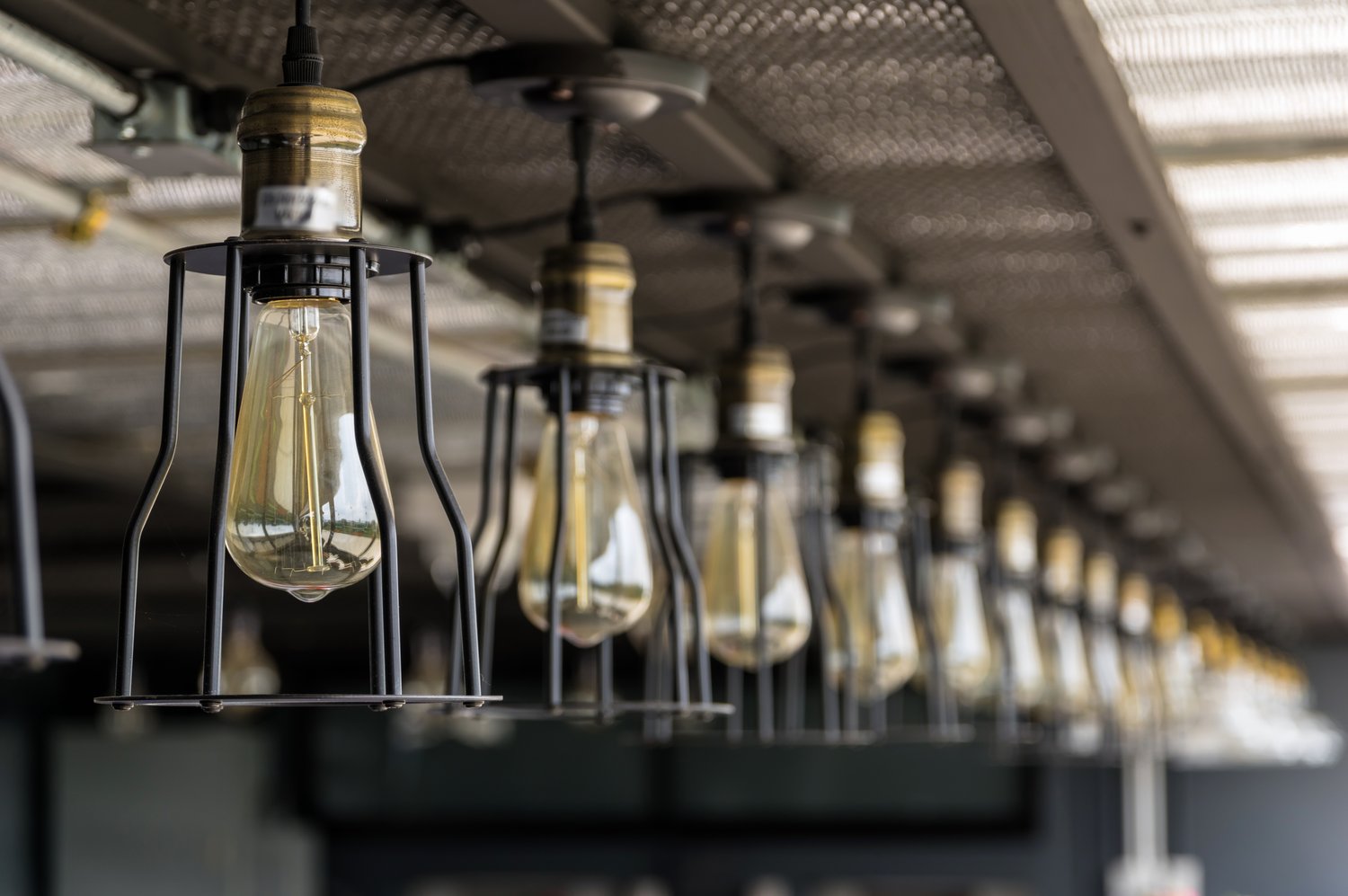

Understanding the basics of outdoor lighting infrastructure
Lighting poles form the backbone of any outdoor illumination system. These structures provide essential support for various lighting fixtures in streets, parking lots, and commercial areas. Modern installations require careful consideration of height, material composition, and load-bearing capacity to ensure optimal performance.
The installation process demands precise planning and coordination between electrical and structural components. Professional contractors typically evaluate soil conditions, wind loads, and local building codes before selecting appropriate support systems. These factors directly influence the longevity and safety of the entire lighting network.
Quality assurance standards have evolved significantly over the past decade, with manufacturers implementing stricter testing protocols. Current industry regulations mandate that all outdoor lighting supports undergo rigorous stress testing at temperatures ranging from -40°C to +60°C. This ensures reliable operation across diverse climate conditions and seasonal variations.
Material selection and structural considerations
Steel columns represent the most durable option for heavy-duty lighting applications. Their exceptional strength-to-weight ratio makes them ideal for installations requiring heights exceeding 8 meters. Galvanized steel variants offer superior corrosion resistance, extending service life to approximately 25-30 years in typical outdoor environments.
Aluminum alternatives provide lightweight solutions for smaller installations where portability matters. These units weigh roughly 40% less than their steel counterparts while maintaining adequate structural integrity. However, Steel columns https://onninen.pl/en/products/Lighting/Lighting-poles/Steel-columns remain the preferred choice for permanent installations due to their superior load-bearing characteristics.
Installation costs vary significantly based on foundation requirements and site accessibility. Ground-mounted systems typically require concrete footings with depths ranging from 1.2 to 2.5 meters. The excavation and curing process adds approximately 3-5 days to project timelines, depending on weather conditions and soil composition.
Specialized mounting solutions for complex installations
Booms for poles extend the versatility of standard lighting supports by enabling horizontal fixture placement. These attachments prove invaluable in areas where ground space limitations prevent optimal light distribution. Traffic intersections and narrow walkways particularly benefit from this configuration approach.
Engineering calculations for boom installations require consideration of additional stress factors including wind shear and dynamic loading. Professional installers typically specify reinforced mounting points capable of withstanding forces up to 150% of normal operating loads. This safety margin accounts for extreme weather events and unexpected mechanical stress.
Maintenance accessibility becomes crucial when selecting Booms for poles https://onninen.pl/en/products/Lighting/Lighting-poles/Booms-for-poles configurations. Service technicians require safe access to fixture locations for routine bulb replacement and electrical maintenance. Telescoping designs and hinged mounting systems facilitate these operations while minimizing equipment requirements and reducing service costs.
Planning your lighting project with professional expertise
Site surveys establish critical parameters including electrical load requirements, spacing calculations, and environmental factors. Professional lighting designers utilize specialized software to model light distribution patterns and ensure compliance with illumination standards. These preliminary assessments prevent costly modifications during installation phases.
Budget planning should account for both initial equipment costs and long-term operational expenses. Lighting poles https://onninen.pl/en/products/Lighting/Lighting-poles represent approximately 15-20% of total project costs, with electrical components and labor comprising the remainder. Energy-efficient LED fixtures significantly reduce operational costs over the system’s lifespan.
Coordination with utility companies streamlines the connection process and ensures adequate power supply capacity. Most installations require dedicated circuits with appropriate overcurrent protection and grounding systems. Professional electrical contractors handle permit applications and inspection scheduling to maintain project timelines and ensure code compliance.