
Imagine never having to interrupt a dinner service or a busy lunch because the power goes out. The secret lies in a small yet mighty apparatus: the electric generator transfer switch. This essential component ensures that automatic backup power kicks in seamlessly, protecting both residential and commercial operations from sudden and costly disruptions.
- Discover how electric generator transfer switches work and their critical role in automatic power backup systems.
- Understand the differences between manual and automatic transfer switches and their various applications.
- Follow a detailed guide on installing an electric generator transfer switch efficiently and safely.
- Gain insights into enhancing your backup power system’s reliability and reducing potential blackout costs.
By reading this article, you’ll gain the knowledge needed to enhance your preparation for unforeseen power outages, ensuring your operations remain uninterrupted. Explore the world of automatic backup power solutions and invest in the peace of mind they bring.
Understanding Electric Generator Transfer Switches for Automatic Backup Power Installation
An electric generator transfer switch is a pivotal component in any automatic backup power system installation. These devices serve the essential purpose of seamlessly transferring electrical load from a primary power source to a backup generator during outages. The transfer switch automatically detects power loss and initiates the generator, ensuring minimal disruption to your home or business operations.
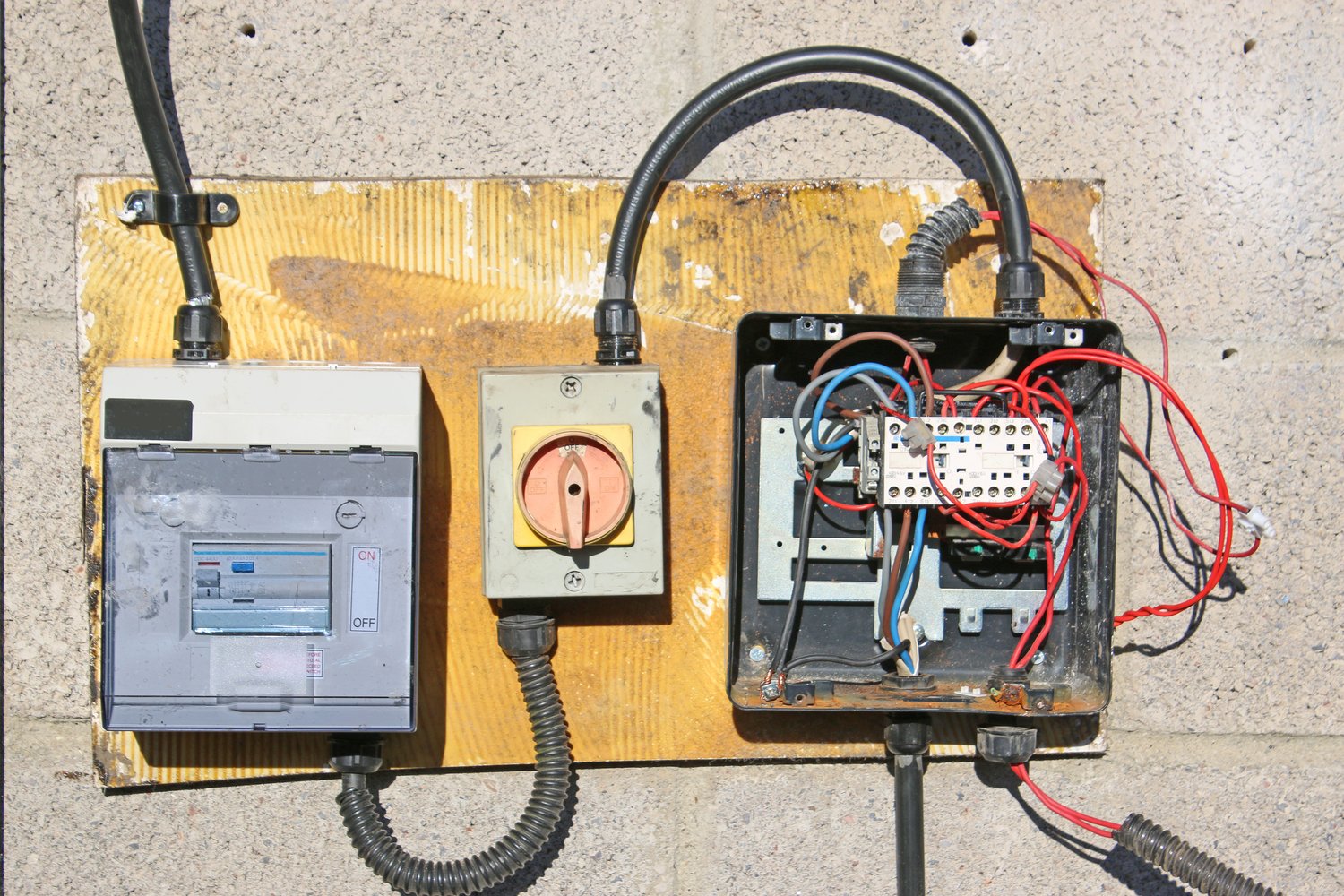
The components of an electric generator transfer switch include a manual or automatic switching mechanism, circuit breakers, and sometimes fuses and relays to control the transition. A key feature is the ability to isolate the electrical load from the utility source while connecting to the generator. This function prevents back-feeding, which can be hazardous to utility crew and equipment.
These switches are crucial in safeguarding your electrical systems during outages, offering peace of mind and operational continuity. Whether used in residential or commercial settings, they ensure a smooth, automatic backup power transition, preserving data integrity and protecting sensitive equipment.
Types and Features of Transfer Switches
There are several types of transfer switches available, each catering to different needs and applications. The two primary categories are manual transfer switches and automatic transfer switches.
Manual transfer switches require the user to manually engage the switch when transitioning to generator power. These switches are generally less expensive and are suitable for smaller applications or where manual operation is feasible during power interruptions.
Automatic transfer switches, on the other hand, offer the advantage of automatically sensing power failure and initiating the switch to generator power without human intervention. They are incredibly reliable and crucial for settings where continuous power is necessary, such as data centers or healthcare facilities.
The features of transfer switches can vary. Some models offer remote monitoring capabilities, allowing users to track power status and system health from afar. Additionally, advanced models may include integrated load shedding capabilities, optimizing generator performance by prioritizing critical loads during extended outages.
Choosing the right type of transfer switch depends on factors such as the scale of power needs, the level of automation desired, and the specific applications. Understanding these options ensures you select the most suitable switch to enhance your backup power setup.
Step-by-Step Guide to Installing an Electric Generator Transfer Switch for Automatic Backup Power
Installing an electric generator transfer switch is a critical step in ensuring reliable backup power for your home or business. Here’s a detailed guide to help you through the process.
Step 1: Gather Necessary Tools and Materials
Before starting the installation, ensure you have all necessary tools. This includes a screwdriver, wire strippers, pliers, a voltage tester, and the transfer switch kit. It’s crucial to read the manufacturer’s instructions carefully as some kits may require additional items.
Step 2: Observing Safety Precautions
Safety should always be your top priority. Make sure to disconnect power at the main circuit breaker and verify it’s off using a voltage tester. Wear appropriate safety gear, including gloves and goggles, to protect yourself from potential hazards.
Step 3: Mounting the Transfer Switch
Select a location near your electrical panel to mount the transfer switch. It should be easily accessible but secure for safety. Use the appropriate hardware and follow the manufacturer’s instructions to attach the switch to the wall.
Step 4: Wiring the Transfer Switch
Carefully connect wiring from the transfer switch to the main electrical panel and generator. Ensure all connections are tight and secure to prevent any electrical faults. Refer to the wiring diagram provided with your kit for precise instructions specific to your model.
Step 5: Testing the System
Once the transfer switch is installed, it’s essential to test the system to confirm operations. Turn on your generator and switch the transfer switch from “Line” to “Generator” to ensure a smooth transition. Verify that essential appliances receive power and adjust settings as needed.
Following these steps diligently and consulting with a professional, if necessary, will ensure a seamless installation of your generator transfer switch, providing peace of mind during power outages.
Enhancing Reliability with Automatic Backup Power Systems
Incorporating an automatic backup power system into your electrical network offers numerous benefits. These systems are designed to automatically activate during power disruptions, ensuring a seamless transition and maintaining the functionality of critical appliances.
Increased Reliability
The foremost advantage of an automatic backup system is enhanced reliability. With automatic transfer switches, there’s no need for manual intervention during power failures. This reduces the risk of downtime, which is crucial for businesses and sensitive home appliances.
Seamless Power Transitions
Automatic backup systems ensure seamless transitions. When main power is lost, the system instantly detects outages and switches to generator power, minimizing disruption. This feature is particularly beneficial for maintaining continuity in operations, especially in environments where consistent power is essential.
Potential Cost Savings
While the initial investment in an automatic backup system can be significant, the potential cost savings over time are substantial. By preventing downtime and protecting sensitive equipment from power surges, businesses can save money on repairs and productivity losses.
Considering these advantages, investing in an automatic backup power system can safeguard your home or business against unexpected power interruptions, ensuring reliability and continuity.
Maintenance and Troubleshooting for Your Electric Generator Transfer Switch
Ensuring your electric generator transfer switch is in top condition requires regular maintenance and understanding potential troubleshooting techniques. By keeping up with these practices, you can maximize the system’s longevity and maintain a reliable automatic backup power source.
Regular Maintenance Practices
Routine maintenance is essential to prevent unexpected breakdowns of your transfer switch. Begin by organizing a schedule for visual inspections to identify any signs of wear or damage.
Check for loose connections, and ensure that all wiring is secure and properly insulated. Dust and debris can interfere with performance, so keep the switch area clean to avoid potential issues.
It’s also crucial to test the functionality of the automatic transfer switch. Conduct simulated power outages to affirm that the switch seamlessly transfers power from the grid to the generator without any interruptions.
Troubleshooting Tips
If your transfer switch fails to operate correctly, start troubleshooting by verifying that all connections are intact and follow the manufacturer’s guidelines for error identification.
Inspect the control panel for error codes or warning lights and consult the manufacturer’s manual to determine specific issues. Common problems may stem from battery failures or software malfunctions in automatic systems, so always ensure the backup battery is charged and in good condition.
If issues persist, consider reaching out to a professional technician who specializes in generator transfer switches for a thorough assessment and repair.
By implementing these regular maintenance and troubleshooting strategies, you can ensure that your electric generator transfer switch remains efficient and reliable during emergencies. Always prioritize safety and seek expert assistance when necessary to maintain optimal performance.
FAQs: Electric Generator Transfer Switch Installation
What is an electric generator transfer switch?
A transfer switch is a device that safely connects an electric generator to a building’s electrical system, allowing for automatic backup power during outages.
Why do I need a transfer switch?
A transfer switch ensures seamless power transition, protecting against electrical hazards and maintaining continuous power supply to essential appliances.
What types of transfer switches are available?
- Manual: Requires manual switching when power goes out.
- Automatic: Automatically switches to generator power during an outage.
Can I install a transfer switch myself?
While it is possible, it is recommended to hire a professional electrician to ensure safe and compliant installation.
How often should I maintain my transfer switch?
Regular maintenance every 1-2 years is advised to check for wear and ensure reliable operation.
What are common troubleshooting issues?
Issues can include circuit breaker trips, failure to switch automatically, or no power transfer. Regular inspections can help prevent these problems.
Can using a transfer switch save money?
Yes, by minimizing downtime and preventing damage to appliances during power outages, it can reduce unexpected costs.