
In the fast-paced environment of a commercial kitchen, protecting your equipment against unforeseen electrical disruptions is not just a choice but a necessity. Electrical surge suppressors, especially point-of-use protection devices, play a critical role in this protective strategy. These devices are not only essential for maintaining the longevity and efficiency of your costly installations, but they also safeguard your operations from the hazardous impacts of voltage spikes.
- Discover how point-of-use surge suppressors shield your commercial-grade appliances from electrical disturbances.
- Learn about the vital features to look for when selecting the perfect surge suppressor tailored for kitchen environments.
- Get insights into proper installation techniques and maintenance tips to ensure your devices offer continual protection.
By integrating the appropriate surge suppressors into your kitchen’s electrical setup, you can significantly enhance operational efficiency and extend the lifespan of your valuable equipment. Dive deeper into these protective strategies and fortify your kitchen against electrical challenges.
Understanding Electrical Surge Suppressor: Point-of-Use Protection Devices and Their Benefits
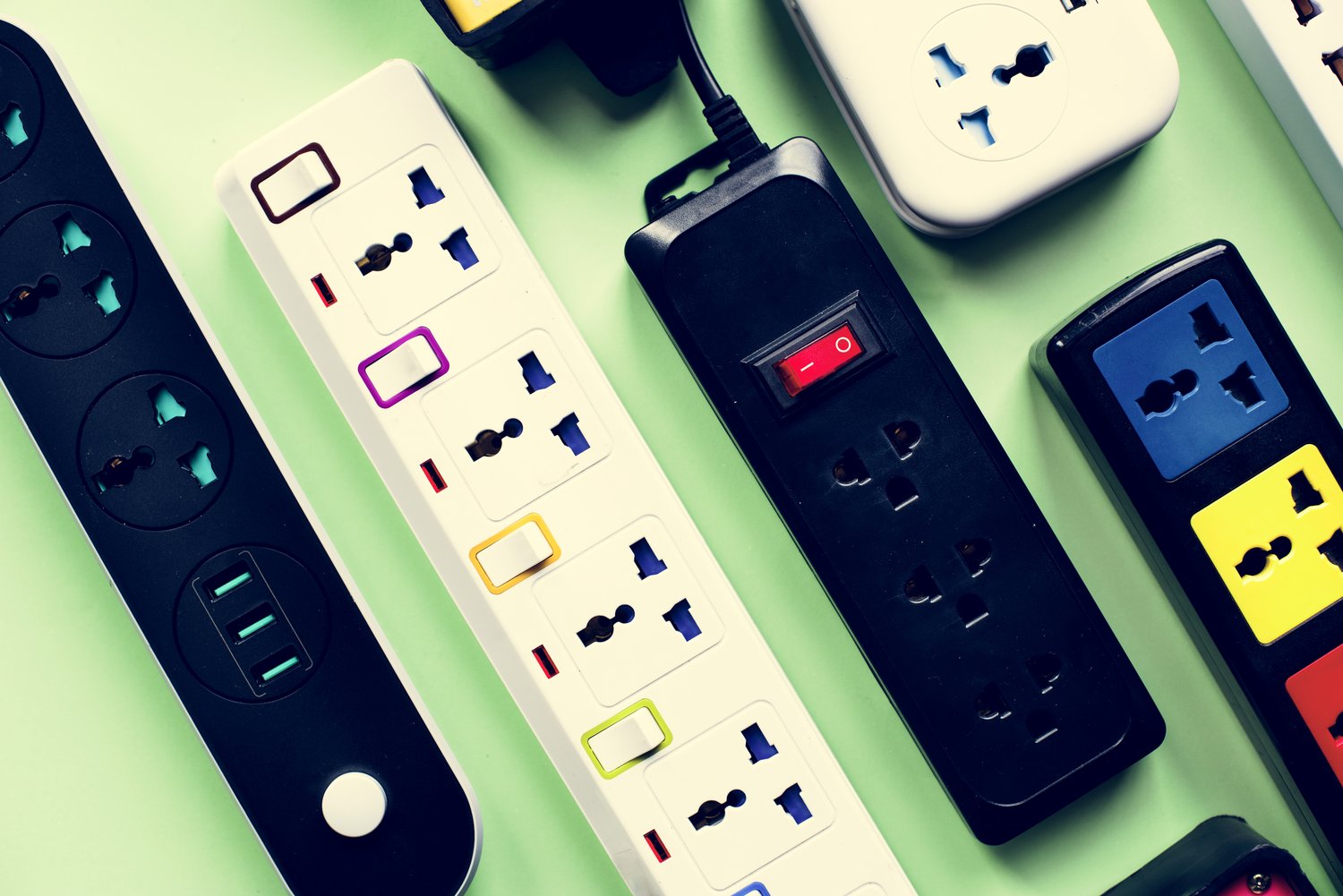
Point-of-use protection devices, commonly known as electrical surge suppressors, play a crucial role in maintaining the integrity of your commercial kitchen’s electrical systems. These devices are specifically designed to mitigate the effects of voltage spikes and electrical surges. Without effective surge protection, your commercial-grade appliances are vulnerable to sudden increase in electricity that can cause serious damage or premature wear.
A primary function of surge suppressors is to divert excess voltage away from connected appliances, thereby safeguarding them from potential harm. This is particularly important in a commercial kitchen setting where power fluctuations can occur frequently due to the use of heavy-duty equipment. By incorporating surge suppressors, you ensure a stable electricity flow, enhancing the longevity and reliability of your installations.
Beyond protecting essential kitchen equipment from damage, surge suppressors also contribute to improved operational efficiency. Reduced downtime and maintenance costs are some key benefits, as equipment functionality is preserved over time. Implementing these devices is a preventative measure that ultimately supports the seamless operation of your commercial kitchen, safeguarding your investments in the long run.
Key Features of Effective Surge Suppressors for Kitchen Equipment
When choosing surge suppressors for commercial kitchen environments, there are several crucial factors to consider. The most important is the energy absorption capacity. This refers to the amount of energy (measured in joules) the suppressor can handle before failing. A higher joule rating indicates a more robust suppressor capable of managing larger surges.
Clamping voltage is another essential feature. This metric represents the voltage level at which the suppressor will begin to redirect excess current. Selecting a suppressor with a lower clamping voltage ensures that your equipment receives earlier protection from surges.
Also, consider the response time. Surge suppressors must act quickly to effectively defend appliances from sudden electrical disturbances. A faster response time means your equipment is protected almost instantaneously, minimizing the risk of damage from abrupt power spikes.
Other factors such as durability and compatibility with kitchen equipment should also be evaluated. Ideally, a surge suppressor should seamlessly integrate into the existing electrical setup and withstand the demanding conditions of a commercial kitchen. By focusing on these features, you can select a surge suppressor that effectively shields your valuable kitchen assets from electrical harm.
Installation and Maintenance of Electrical Surge Suppressor: Point-of-Use Protection Devices
Ensuring the effective performance of your electrical surge suppressors begins with proper installation. It’s crucial to install these devices close to the equipment you aim to protect. This proximity reduces the lead length, minimizing the potential for voltage spikes traveling along wiring.
During installation, pay careful attention to the manufacturer’s specifications and guidelines. These instructions often include recommended wiring practices and safety precautions. Secure connections are essential to enhance the performance of the surge suppressor, mitigating the risks posed by electrical surges effectively.
The ongoing maintenance of point-of-use surge protection devices plays an equally vital role. Regularly inspect your surge suppressors for any signs of wear or damage. Check for indicators such as discoloration or unusual noise, which may suggest the suppressor is reaching the end of its lifespan.
Moreover, keep an eye on the device’s status indicators, if available, to ensure functionality. Surge suppressors may become less effective after a significant surge event or over time.
Plan to replace them according to the manufacturer’s recommended schedule, typically ranging from one to two years, to maintain optimal protection for your kitchen equipment.
Incorporating these installation and maintenance strategies will enhance the longevity and reliability of your point-of-use surge suppressors. Regularly reviewing your setup ensures continued efficiency, ultimately safeguarding your commercial kitchen’s electrical assets from unexpected power fluctuations.
Frequently Asked Questions about Electrical Surge Suppressors
What is a point-of-use surge suppressor?
Point-of-use surge suppressors are devices installed at specific locations to protect electrical equipment from voltage spikes and surges.
Why are surge suppressors important for commercial kitchen equipment?
Surge suppressors are crucial because they prevent damage to sensitive electrical devices, ensuring their longevity and maintaining kitchen operations smoothly.
What key features should I look for in a surge suppressor?
Look for features such as energy absorption capacity, clamping voltage, and response time.
How do I install a point-of-use surge suppressor?
Install the device close to the equipment, ensuring it’s correctly connected to your kitchen’s electrical system as per manufacturer guidelines.
What maintenance does a surge suppressor require?
Regularly check and inspect the device for any signs of wear or damage, and replace it as needed to maintain effectiveness.
Can surge suppressors handle all types of electrical surges?
Most surge suppressors handle routine surges, but they may not protect against massive events such as lightning strikes. Consider additional protection for severe conditions.