
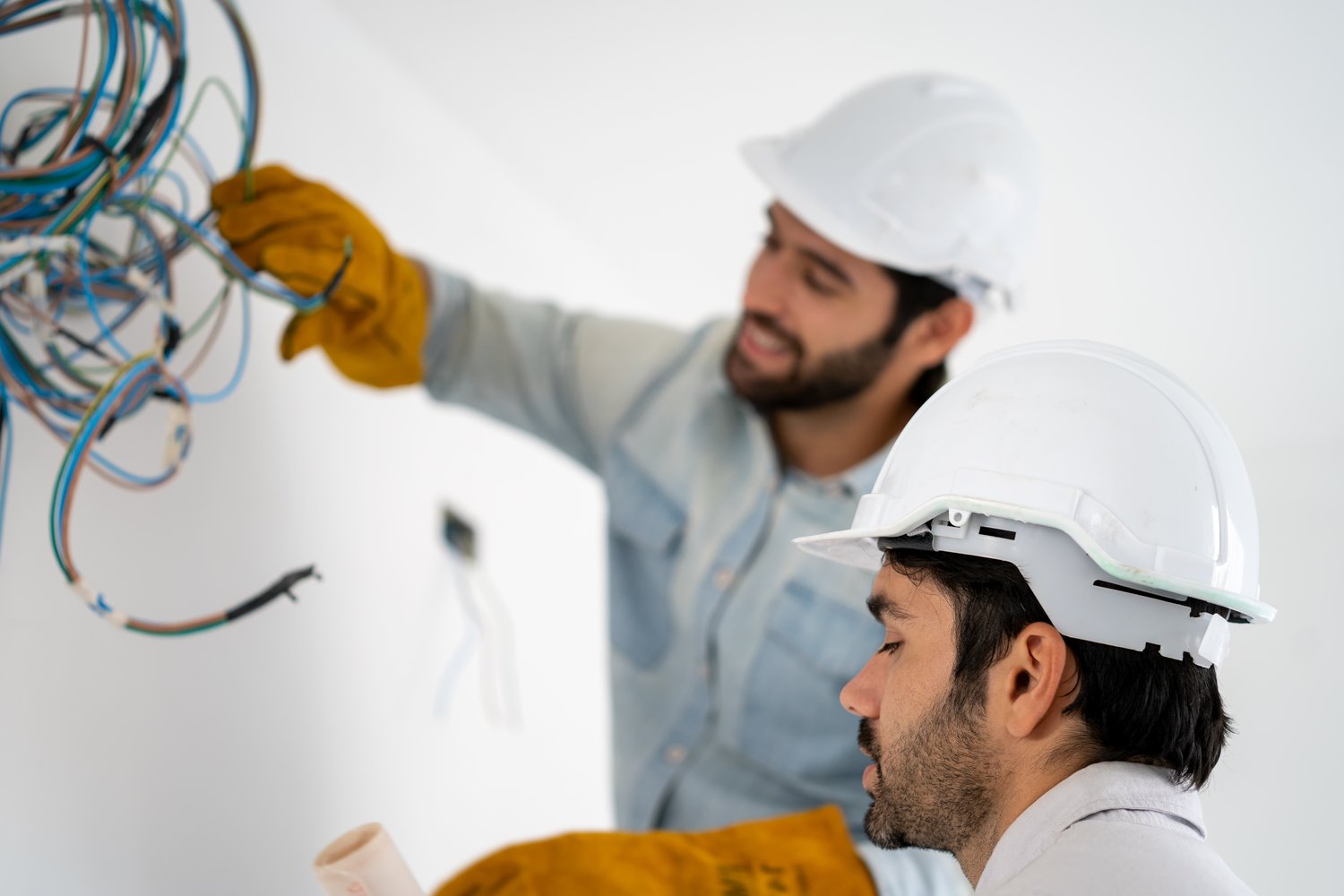

The safe and efficient installation of electrical outlets is more than just a technical necessity; it’s a cornerstone of modern living, ensuring both functionality and safety in any environment. Whether you’re an industry veteran or a DIY enthusiast, understanding electrical outlet height standards can make a significant difference in your installations, potentially preventing costly errors and enhancing long-term reliability.
- Understand the foundational aspects of electrical outlet height standards and their significance in various installations.
- Learn about the key regulations and compliance criteria that underpin code-compliant installations.
- Discover best practices and expert recommendations for ensuring your electrical installations meet industry standards.
- Navigating common challenges faced during installation and how to overcome them with practical solutions.
Diving into this article will equip you with the knowledge to ensure that your electrical installations are not only compliant but also future-proof, aligning with the latest trends and advancements in the industry.
Understanding Electrical Outlet Height Standards: Code Compliant Installation Guidelines for Safe Setups
Electrical outlet height standards serve as a crucial component in ensuring both safety and operational efficiency in any electrical system installation. These standards are not arbitrary; they are meticulously formulated guidelines that play a vital role in safeguarding spaces against electrical hazards.
The importance of adhering to these standards extends beyond mere compliance. They are integral to optimizing accessibility, especially in high-traffic areas like kitchens and commercial spaces, where proper outlet height can significantly impact usability and convenience.
While embarking on any installation project, understanding these codes across various jurisdictions is essential. Each region might have specific requirements, reflecting local safety norms and environmental considerations. Thus, familiarizing oneself with these regulations ensures that installations are not only compliant but also aligned with best practices that enhance safety and functionality.
Key Regulations and Compliance Criteria for Electrical Installations
Navigating through the essential regulations for electrical installations requires attention to several critical factors. One of the primary considerations is the minimum height requirements for electrical outlets. Standard practices often dictate different height specifications based on the room and its usage, such as kitchens, bathrooms, and outdoor spaces.
Placement considerations are equally important, as outlets should be strategically located to minimize the need for extension cords and to accommodate the layout of furniture and appliances. Meeting these criteria ensures that electrical systems are both functional and unobtrusive.
Furthermore, unique environments, such as healthcare facilities or industrial settings, may impose special conditions that override standard guidelines. These specialized codes often address additional safety margins or specific material requirements, reflecting their tailored needs. Ensuring that installations adhere to these criteria is essential for achieving compliance and maintaining safety across all environments.
Best Practices for Installing Electrical Outlets: Ensuring Code Compliance
Installing electrical outlets requires precision and adherence to safety standards to ensure code compliance. First, select high-quality materials like durable outlet boxes and appropriate wiring. This forms the foundation of a reliable electrical system.
Gather essential tools such as wire cutters, voltage testers, and screwdrivers. Having the right tools ensures smooth installation and enhances accuracy.
Begin the installation process by planning the outlet placement carefully. Consider functionality and accessibility, and always verify the height requirements dictated by local building codes. Establishing the correct height is crucial for maintaining safety standards in both residential and commercial settings.
Precise measurements during cutting and wiring are key. Use a spirit level to help ensure outlets are installed evenly. Double-check connections to reduce the risk of faults. Remember, consistent attention to detail prevents future complications.
Finally, test the installation thoroughly with a voltage tester to ensure everything is functioning correctly. This final step confirms that your installation meets both safety and compliance standards.
Navigating Common Challenges in Electrical Outlet Installations
While installing electrical outlets, you might encounter several common challenges. For instance, dealing with wiring constraints or outdated circuit systems can be daunting. Understanding the limitations of existing wiring allows you to develop effective solutions that comply with current codes.
Another frequent issue is the uneven wall surfaces. Tackling this requires careful adjustment and, at times, custom fittings to ensure the outlet is securely and correctly installed.
Older buildings present their own set of challenges with outdated electrical systems. This might require upgrading the entire system to meet modern safety codes and standards. Balancing these upgrades with budget considerations is essential for cost-effective solutions.
Troubleshooting involves identifying specific problems such as loose connections or improper grounding. Utilize diagnostic tools to check for any faults. Addressing these issues promptly can prevent larger safety hazards.
With each challenge, the focus remains on compliance and safety. By employing strategic approaches and tools, maintaining the required standards becomes achievable while ensuring a safe and efficient electrical setup.
Future Trends in Electrical Outlet Height Standards and Installation Practices
As the landscape of electrical systems continues to evolve, it is essential to keep abreast of the future trends in electrical outlet height standards and installation practices. Innovations in technology, along with shifts in building codes, are shaping new norms that professionals must understand to remain compliant.
One significant trend is the increasing integration of smart home technology. With a rise in devices requiring connectivity and power, professionals are rethinking traditional outlet placement to add convenience and efficiency to modern living spaces. This may involve strategic installation at accessible heights tailored to control smart devices.
In terms of sustainability, there’s a growing emphasis on energy-efficient installations. Outlets may need to accommodate specialized plugs or adapters to support energy-saving appliances, push for eco-friendly material use, and incorporate advanced power management systems.
Building codes are also evolving to meet changing consumer demands, prioritizing safety and innovation. The National Electrical Code (NEC) often reviews and updates standards, impacting outlet installation requirements. It’s crucial to stay informed about such updates to ensure installations meet current legal and safety standards.
Adaptive design is gaining traction as well, emphasizing accessibility for all individuals. Future practices might see outlet heights tailored for universal design, promoting ease of use for people with disabilities, and considering the mobility needs of the elderly.
Ultimately, keeping up with these future trends means ensuring that your installation practices are not only code compliant but also future-proof. Professionals should continuously engage in learning and adapting techniques that align with evolving standards, ensuring quality service and customer satisfaction in an ever-changing field.
Electrical Outlet Height Standards: FAQs
What is the standard height for electrical outlets in a room?
Typically, outlets should be installed between 12 to 16 inches above the floor.
Are there different height requirements for kitchens or bathrooms?
Yes, in kitchens, they are usually installed 20 inches above the countertop. Bathrooms may vary based on specific regulations.
How does outlet height affect safety?
Correct height ensures safe and convenient access, reducing tripping hazards and ensuring compliance with safety codes.
What tools are necessary for outlet installation?
Basic tools include a voltage tester, wire strippers, pliers, screwdriver, and level.
Can outdated outlets be a safety hazard?
Yes, outdated or improperly installed outlets can lead to electrical shocks or fire hazards.
Do electrical codes differ between residential and commercial buildings?
Yes, commercial spaces might have stricter or different requirements for outlets based on usage and accessibility.
How frequently should electrical systems be inspected for compliance?
It is advisable to have them assessed every 3 to 5 years or after significant renovations.