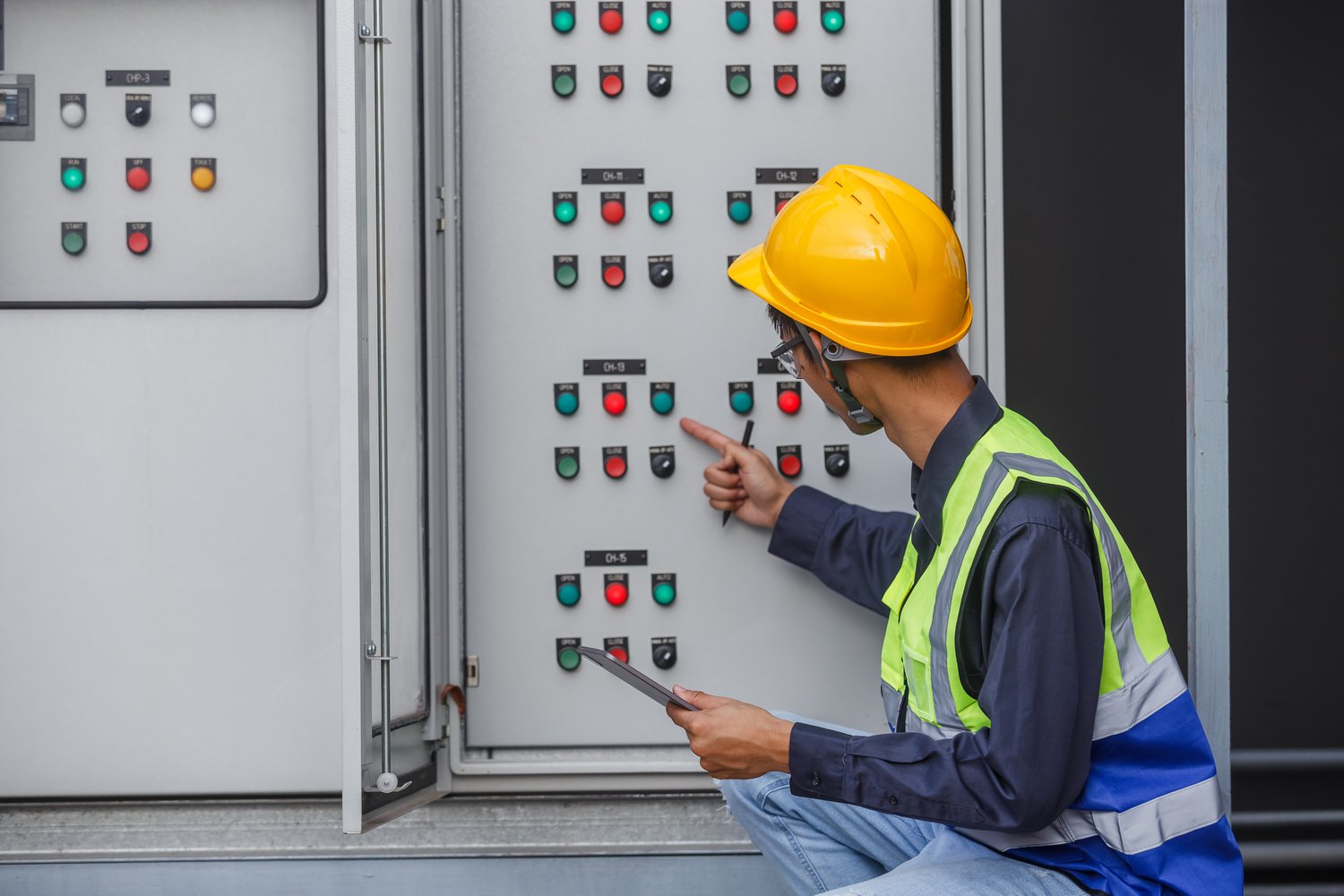

In a world where electricity powers nearly every aspect of our daily lives, ensuring your electrical panel is functioning correctly is not just wise—it’s essential. Ignoring it can lead to safety hazards that might disrupt your home or business operations. Dive into the intricacies of electrical panel inspections and understand why keeping your panel in top condition is crucial for safety and efficiency.
- Importance of Regular Electrical Panel Inspection: Regular inspections are essential to prevent electrical hazards and enhance safety measures.
- Identifying Common Safety Issues: Learn to spot outdated components and signs of wear during an inspection, ensuring compliance with safety standards.
- Recognizing Critical Warning Signs: Understand the warning signs like unusual smells or visible damage that might indicate deeper electrical issues.
By exploring these critical elements, you’ll gain the knowledge needed to assess your electrical panel’s safety and efficiency. Whether you’re a professional or tackling DIY maintenance, these insights can help prevent potential electrical failures and improve overall safety.
Importance of Regular Electrical Panel Inspection for Safety Issues and Warning Signs
Regular electrical panel inspections are essential for maintaining safety in both residential and commercial environments. These inspections help prevent electrical hazards, such as short circuits and electrical fires, by identifying potential safety issues before they escalate.
Beyond immediate safety, inspections contribute to the longevity and efficiency of your electrical system. By ensuring that all components are functioning correctly, you can avoid costly repairs in the future. Regular inspections also help ensure that your system remains up to standard with the latest electrical codes, which is crucial for both safety and legal compliance.
Moreover, consistent check-ups can enhance energy efficiency, reducing unnecessary power consumption and lowering utility bills. Inspections can identify outdated components, which, when upgraded, contribute to a more efficient electrical system.
The risks of neglecting regular electrical panel inspections are significant. Without them, hidden dangers like corroded wires or overloaded circuits may go unnoticed until a severe problem arises. By proactively addressing these potential hazards, you protect your property and everyone within it.
How to Identify Common Safety Issues During Electrical Panel Inspection
During an electrical panel inspection, it is crucial to be vigilant for common safety issues that could compromise your system’s integrity. One key area of concern is identifying outdated components.
Outdated circuit breakers or panels might not handle modern electrical loads, leading to potential overloads or failures. Be aware of signs of wear, such as discolored components or frayed wires, as these could indicate excessive heat or damage.
Ensure your system is up to code by checking for the correct labeling of circuits and confirming that no unauthorized modifications have been made. Loose connections are another frequent issue; they can cause arcing, leading to fires if not addressed.
When inspecting, also verify the amperage ratings of breakers and compare them with your current electrical demands. An improperly matched system could result in insufficient protection against electrical surges.
Identifying these safety issues early through thorough inspections not only keeps your electrical system efficient but also significantly reduces the risk of accidents and costly downtime.
Critical Warning Signs to Look for During Electrical Panel Inspection
When conducting an electrical panel inspection, it’s crucial to be vigilant for warning signs that may indicate potential safety issues. Identifying these signs early can prevent accidents or electrical failures in your home or commercial establishment.
One of the first things to notice is any unusual smell, particularly a burning or acrid odor, emanating from the electrical panel. This can indicate overheating wires or components, which pose a significant fire risk.
Another critical warning sign is unusual sounds, such as buzzing or crackling noises. These sounds might suggest loose connections or faulty circuit breakers. It’s essential to address these issues promptly to avoid further damage or potential power outages.
Additionally, visible damage like scorch marks, corrosion, or melted insulation on the wires are obvious red flags. These indicate serious overheating and may compromise the functionality and safety of your electrical system.
It’s also prudent to check for flickering lights or frequent tripping of circuit breakers, as these are signs of overloaded circuits or outdated panel components that need attention.
Recognizing these warning signs can help you take preventive measures to maintain a safe and efficient electrical system. Should you encounter any of these issues, it’s advisable to consult a certified electrician to perform necessary repairs or upgrades.
Electrical Panel Inspection FAQ
Why is regular electrical panel inspection necessary?
Regular inspections prevent hazards and ensure the system is safe and up to code.
What are common safety issues found during inspections?
Outdated components, wear and tear, and signs of corrosion or overheating are common issues.
What warning signs should I look for during an inspection?
- Unusual smells
- Humming or buzzing sounds
- Visible damage or corrosion
How often should I have my electrical panel inspected?
It is recommended to have an inspection every 3 to 5 years, or sooner if issues arise.
Can I perform an electrical panel inspection myself?
While basic checks can be done, a certified professional should handle thorough inspections.