
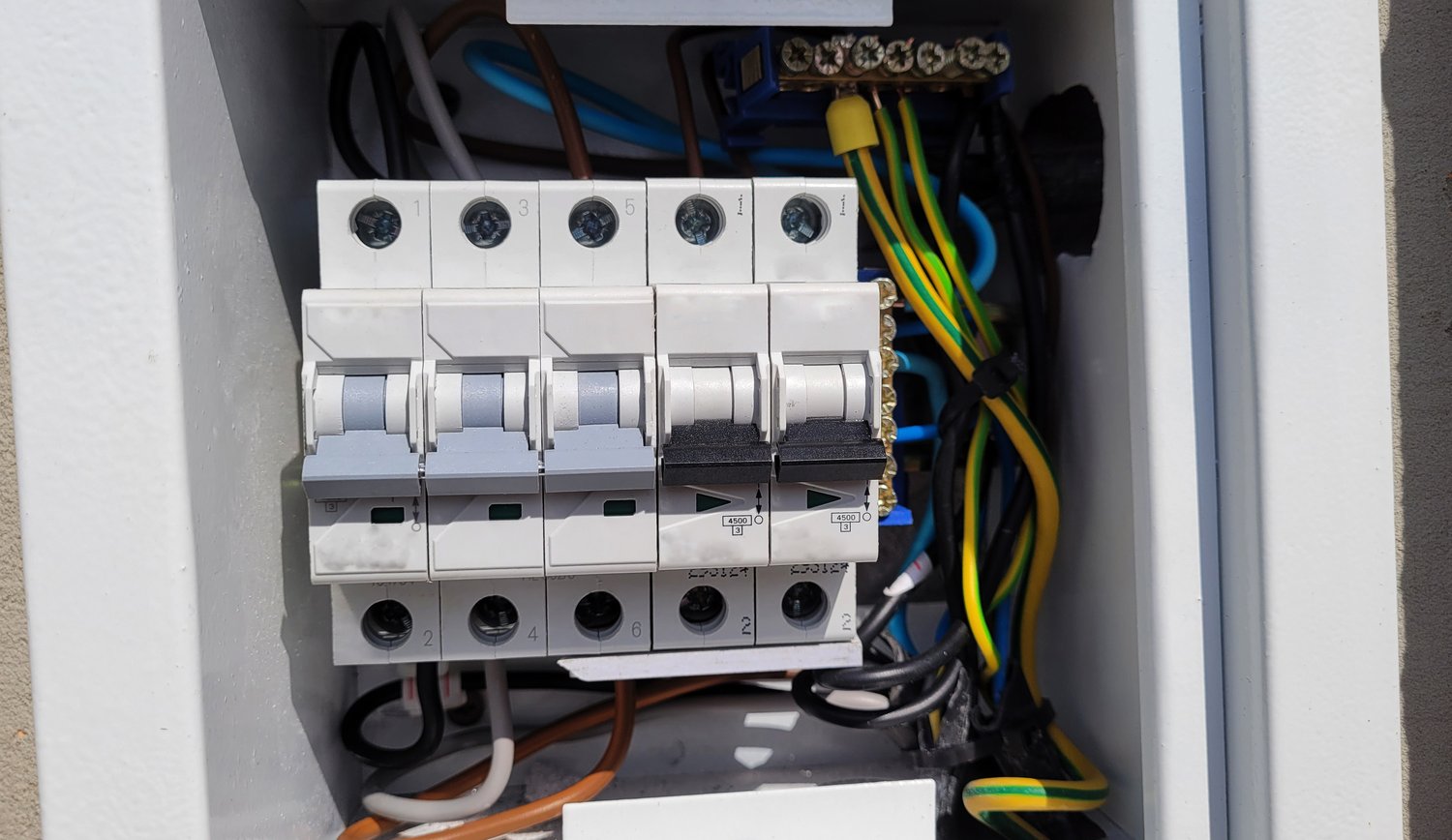

In the world of building management and safety, ensuring that electrical systems are capable of rapid disconnection in emergencies isn’t just a precaution—it’s a necessity. The main shutoff installation and strategic location of electrical emergency disconnects play a pivotal role in safeguarding both property and lives. This guide delves into essential aspects of these installations, providing not only compliance with regulations but enhancing overall safety and functionality in emergencies.
- Understand the fundamental aspects of electrical emergency disconnects to enhance your building’s safety standards.
- Discover the best practices for installing the main shutoff using the right tools and procedures to ensure a secure setup.
- Learn how to strategically locate the main shutoff for rapid access, considering building layout and responder ease of access.
By understanding and implementing these critical strategies, you’ll ensure that your emergency systems are not only compliant but also optimally functional, providing peace of mind for all building occupants and operators. Dive deeper into this topic to optimize the safety and efficiency of your electrical systems.
Understanding Electrical Emergency Disconnects: Main Shutoff Installation and Location
Electrical emergency disconnects are critical components in any building’s electrical system. They play a crucial role in swiftly shutting off power supply in emergencies, such as electrical fires or circuits malfunctioning.
These systems ensure a rapid response, protecting both human lives and property. Installing an emergency electrical disconnect is more than just a safety measure; it is also necessary for compliance with local regulations and electrical codes.
The installation of these systems requires a thorough understanding of electrical layouts, alongside strategic planning for their placement. The primary objective is to make sure they are easily accessible and functional.
By implementing a well-thought-out plan, which takes into account the building’s unique layout and the potential for emergencies, building operators can achieve both compliance and peace of mind.
Steps for Main Shutoff Installation: Best Practices and Tools
The process of installing a main shutoff for an electrical emergency disconnect begins with meticulous planning. This step is essential to ensure both effectiveness and safety.
Firstly, selecting the appropriate disconnect switch tailored to your system’s needs is crucial. Consider factors like the building’s power capacity and the potential load demands.
Once you have identified the right switch, gather the necessary tools for a seamless installation. This might include insulated hand tools, voltage testers, and secure mounting fixtures.
Begin the installation by turning off the main power supply to prevent accidents. Carefully position the disconnect switch in the identified strategic location, ensuring it is both accessible and visible.
Secure the installation with robust mounting to prevent movement or tampering. Carefully connect the wiring in accordance with the manufacturer’s specifications, making sure all connections are tight and secure.
Finally, test the system post-installation to ensure it functions correctly under various scenarios.
Implementing these best practices not only enhances safety but also prolongs the service life of your electrical emergency disconnect system.
Strategic Locations for Electrical Emergency Disconnect: Main Shutoff Installation and Location
Locating the electrical emergency disconnect correctly is essential for ensuring swift action during critical situations. The main shutoff serves as a vital control point, allowing instant power cutoff to mitigate risks. During emergencies, every second counts, so strategic placement is key to safety and compliance with relevant standards.
When determining the optimal location for the main shutoff, consider the following factors. First, the disconnect must be easily accessible to both building occupants and emergency responders. This accessibility is crucial during urgent scenarios, such as fires or electrical malfunctions, where time constraints are tight.
Additionally, compliance with local building codes and regulations should guide the placement of the emergency disconnect. These guidelines often stipulate specific requirements for visibility and proximity to main entrances. Ensuring that the disconnect is positioned according to these regulations not only enhances safety but also helps in avoiding potential legal issues.
The building’s layout significantly influences where the main shutoff should be installed. Typically, placing the disconnect near an external wall or a well-marked utility area can facilitate quicker identification and operation. It is also advisable to install clear signage that directs users to the disconnect switch, reducing uncertainty and delay during emergencies.
Budget for additional considerations like potential impedance from obstructions. Avoid placing the main shutoff in areas that are prone to clutter or unlikely to be accessible if equipment or furniture is moved or added. Prioritize minimizing obstacles, which helps maintain uninhibited access to the disconnect switch at all times.
Frequently Asked Questions: Electrical Emergency Disconnect Systems
What is an electrical emergency disconnect?
An electrical emergency disconnect is a device that allows for the rapid shutdown of power in a building during emergencies, ensuring safety and compliance.
Where should the main shutoff be located?
The main shutoff should be located in an easily accessible area outside or near the entrance of the building to allow quick access for emergency responders.
What tools are needed for installation?
Installation requires basic electrical tools such as a screwdriver, wire stripper, voltage tester, and appropriate disconnect switch.
How does one ensure compliance with local regulations?
Consult with a certified electrician and refer to local building codes to ensure all installation and placement requirements are met.
Why is strategic placement important?
Strategic placement ensures quick and safe access during emergencies, reducing potential risks and enhancing the safety of building occupants.