
Understanding Modern Ventilation Systems
Ventilation plays a crucial role in maintaining healthy indoor air quality throughout your property. Modern homes require systematic air exchange to remove moisture, odors, and pollutants that accumulate during daily activities. Proper airflow systems can reduce humidity levels by up to 60% while preventing mold growth and structural damage.
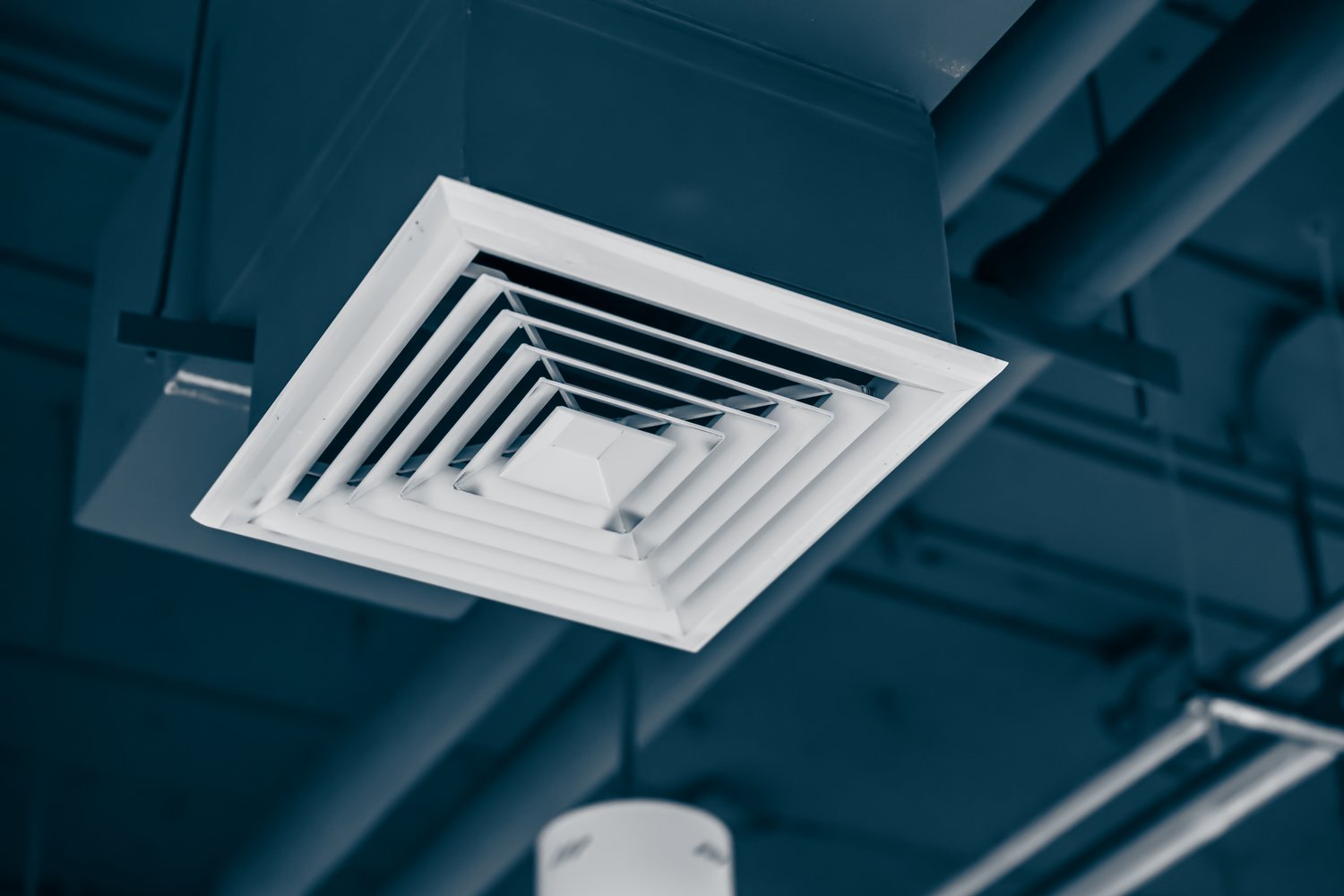
Traditional mechanical systems move air through networks of channels and fans installed within wall cavities or ceiling spaces. These installations typically require professional assessment to determine optimal placement and capacity requirements. Most residential properties need air exchange rates between 0.35 to 0.5 air changes per hour to meet building standards.
Energy-efficient models now incorporate heat recovery technology that captures up to 85% of thermal energy from outgoing air. This feature significantly reduces heating costs during winter months while maintaining consistent indoor temperatures. Smart controls allow homeowners to adjust settings remotely and monitor system performance through mobile applications.
Professional installation ensures compliance with local building codes and manufacturer warranty requirements. Certified technicians can evaluate your specific needs based on room dimensions, occupancy levels, and existing infrastructure. They will recommend appropriate system sizes ranging from 50 CFM for small bathrooms to 400 CFM for large kitchen areas.
Exploring Ductless Solutions
Ductless ventilation offers flexible installation options for properties where traditional ducted systems prove impractical or costly. These units mount directly on walls or windows without requiring extensive structural modifications. Individual room units can handle airflow volumes between 80 to 200 cubic feet per minute depending on space requirements.
Heat pump technology integrated into many ductless units provides both heating and cooling capabilities year-round. These systems achieve SEER ratings up to 30, making them among the most energy-efficient options available today. Operating costs typically decrease by 30% compared to conventional HVAC systems when properly sized and installed.
Ductless ventilation https://onninen.pl/en/products/Air-conditioning-and-ventilation/Ventilation/Ductless-ventilation systems require minimal maintenance with washable filters and self-cleaning functions. Most models operate at noise levels below 40 decibels, ensuring quiet operation during nighttime hours. Installation time averages 4 to 6 hours for single-room units with minimal disruption to daily routines.
Zoned temperature control allows different comfort settings for individual rooms or areas within your home. This capability can reduce overall energy consumption by 25% since unoccupied spaces don’t require conditioning. Remote controls and programmable timers provide convenient operation scheduling based on occupancy patterns.
Selecting Proper Ducts and Components
Quality ductwork forms the foundation of any effective forced-air system, requiring careful material selection and precise installation techniques. Galvanized steel ducts offer durability for main trunk lines while flexible aluminum versions work well for branch connections. Insulation requirements vary by climate zone, with R-6 to R-8 values recommended for most residential applications.
Proper sizing prevents airflow restrictions that reduce system efficiency and increase operating costs significantly. Main supply ducts typically range from 16 to 20 inches in diameter for whole-house systems serving 2000 to 3000 square feet. Branch ducts connecting individual rooms usually measure 6 to 12 inches depending on required airflow volumes.
Ventilation ducts and fittings https://onninen.pl/en/products/Air-conditioning-and-ventilation/Ventilation/Ventilation-ducts-and-fittings must meet specific performance standards for air leakage and thermal resistance. Quality fittings include adjustable elbows, reducers, and takeoff collars that maintain smooth airflow transitions. Sealing joints with mastic or approved tape prevents energy losses that can reach 20% in poorly sealed systems.
Regular inspection schedules help identify potential issues before they impact system performance or indoor air quality. Professional cleaning services recommend duct maintenance every 3 to 5 years depending on usage patterns and environmental factors. Replacement components should match original specifications to maintain warranty coverage and optimal efficiency ratings.
Making the Right Investment Decision
Budget considerations include initial equipment costs, installation expenses, and long-term operating savings when comparing different options. Entry-level residential systems start around $2500 installed, while premium models with advanced features can exceed $8000 for whole-house applications. Energy rebates and tax credits often offset 10% to 30% of total project costs.
Professional consultation helps identify the most cost-effective solution based on your specific requirements and existing infrastructure. Experienced contractors can evaluate factors such as home age, insulation levels, and current utility costs to project return on investment timelines. Most quality installations pay for themselves through energy savings within 5 to 8 years.
Ventilation https://onninen.pl/en/products/Air-conditioning-and-ventilation/Ventilation technology continues advancing with improved efficiency ratings and smart home integration capabilities. Choosing reputable brands with established service networks ensures parts availability and technical support throughout the system’s 15 to 20-year lifespan. Extended warranties provide additional protection for major components like compressors and heat exchangers.
Financing options make quality systems accessible to more homeowners through low-interest loan programs and flexible payment plans. Many contractors offer seasonal promotions that reduce installation costs by $500 to $1500 during off-peak periods. Planning your project during spring or fall months often results in better pricing and faster scheduling availability.