
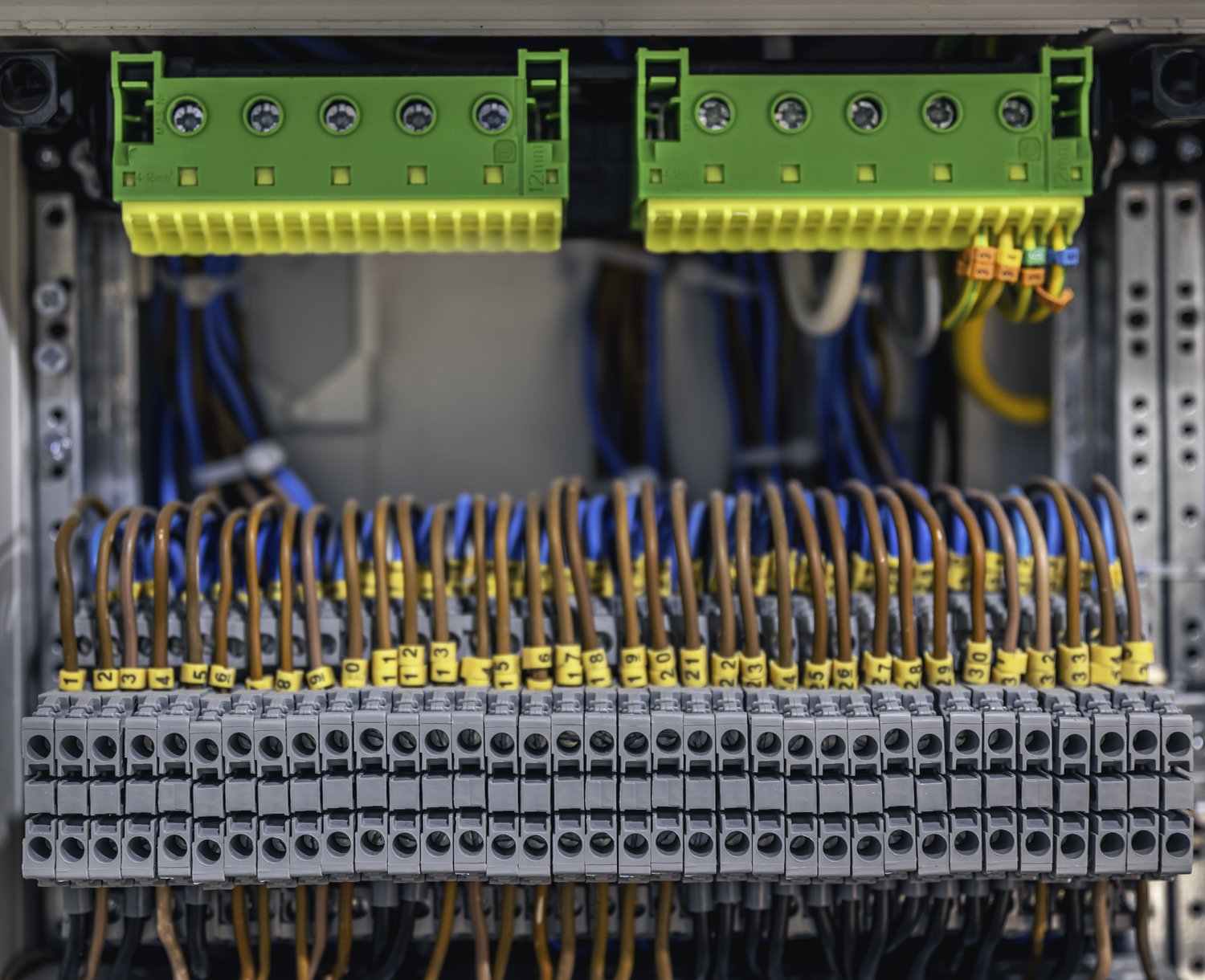

Installing an electrical load center is more than just connecting wires—it’s about crafting the backbone of a building’s power distribution with precision and care. Understanding the vital role of the distribution panel, alongside adopting best practices, can transform the safety and efficiency of your entire electrical system. In this article, we’ll delve into the key strategies and technical insights essential for professionals involved in this critical aspect of building infrastructure.
- Explore the core function of an electrical load center and its impact on power distribution.
- Learn how proper planning and site assessment can optimize your installation process.
- Gain professional tips on tackling common installation challenges and ensuring compliance with safety protocols.
By grasping the essentials of electrical load center installation, professionals can not only enhance operational success but also significantly contribute to energy efficiency and system reliability. Dive deeper into the process to empower your next project with these insights.
Understanding the Basics: The Role of Electrical Load Center Installation and Distribution Panel Best Practices
The electrical load center, often referred to as the distribution panel, serves as the vital hub for managing a building’s electrical distribution system. Its primary function is to receive electrical power from the utility company and distribute it through various circuits to different areas of the building. Understanding how it works is crucial for ensuring both safety and efficiency in the system.
Key components within the electrical load center include circuit breakers or fuses, which protect circuits by interrupting the flow of electricity in the event of an overload or short circuit. These components not only guard against potential electrical hazards but also allow for manual control of the electrical supply to specific circuits.
A well-installed electrical load center will be organized and clearly labeled, fostering easy management and maintenance. This setup helps in promptly identifying and addressing any electrical issues that may arise. By following best practices for distribution panels, installers can create systems that are not only robust but also aligned with current electrical codes and standards.
Overall, the electrical load center is indispensable to the efficient operation of any building’s electrical system, serving as the focal point from which electricity is safely and reliably dispersed. Proper installation and maintenance of this key component are essential for the sustainability and usability of modern electrical infrastructures.
Planning Your Installation: Key Preparations for Electrical Load Center Installation
Before embarking on an electrical load center installation, thorough planning is essential to ensure success. One of the first steps is conducting a comprehensive site assessment. This involves evaluating the space where the load center will be installed, ensuring it is accessible and meets all safety guidelines.
Another critical consideration is performing an accurate load calculation. This process determines the building’s total electrical demand, considering all appliances, lighting, and other electrical devices. This assessment helps in selecting the right size and capacity for the distribution panel, ensuring it accommodates current needs and potential future expansions.
Selecting the appropriate panel type is equally important. Depending on the building’s requirements, choices may include single-phase or three-phase panels. Additionally, ensuring the panel is compatible with existing electrical infrastructure is vital to prevent unnecessary complications or risks.
Attention to these preparatory steps can pave the way for a smooth installation process. It also sets a solid foundation for the long-term performance and efficiency of the building’s electrical distribution system. Proper planning mitigates the risk of power failures and enhances energy management, supporting sustainable operational practices.
Technical Insights: Electrical Load Center Installation and Distribution Panel Best Practices for Professionals
When it comes to electrical load center installation, understanding professional best practices is crucial to ensuring safety, compliance, and optimal performance. Distribution panels, often referred to as breaker boxes, play an integral role in regulating the power supply by distributing electrical currents to different circuits within a structure. Focusing on a meticulous approach to installation can significantly enhance efficiency and reliability.
Common Challenges in Installation
Professionals often encounter various challenges during the installation process. These can include limited space for panel installation, outdated wiring systems that need upgrading, and complex circuit configurations requiring precise calculation. Addressing these challenges requires thorough planning and a deep understanding of electrical load distribution to prevent overloads and ensure seamless operation.
Safety Protocols: Ensuring Compliance and Protection
Adhering to industry safety standards during installation is non-negotiable. This includes following guidelines from the National Electrical Code (NEC) and local regulations, which stipulate specifications for panel placement and grounding practices. Ensuring all connections are secure and providing appropriate insulation are paramount to prevent potential electrical hazards, such as short circuits or fires. Employing lockout/tagout procedures during installation can further enhance workplace safety.
Optimal Layout for Power Distribution
Maximizing efficiency in power distribution involves strategic planning of the panel layout. Positioning the distribution panel centrally can minimize the length of wire runs, reducing voltage drop and ensuring consistent power delivery. Properly labeling circuits within the panel is essential for maintenance and troubleshooting, aiding swift identification of circuit functions. Additionally, allocating separate breakers for high-demand appliances can prevent overloading and contribute to the overall energy management of the building.
Incorporating these technical insights, professionals can achieve a successful electrical load center installation that meets operational demands and enhances safety and energy efficiency. For further specifics, consulting the latest NEC guidelines and engaging with continual professional development is advised.
FAQs about Electrical Load Center Installation
What is an electrical load center?
An electrical load center is the central hub for distributing electricity throughout a building, containing circuit breakers or fuses to manage power load and ensure safety.
Why is planning important before installation?
Planning is crucial to determine the electrical demand, ensure safety compliance, and select the correct panel type for efficient energy management.
What safety measures should be taken during installation?
Key safety measures include using personal protective equipment, verifying panel compatibility, and ensuring a proper grounding system.
How do you choose the right distribution panel?
Select a panel based on load calculations, future expansion needs, and compliance with local electrical codes and regulations.
What are some common challenges in electrical load center installation?
- Inadequate site assessment
- Improper load calculations
- Ignoring future electrical needs