
Understanding modern plastic piping materials
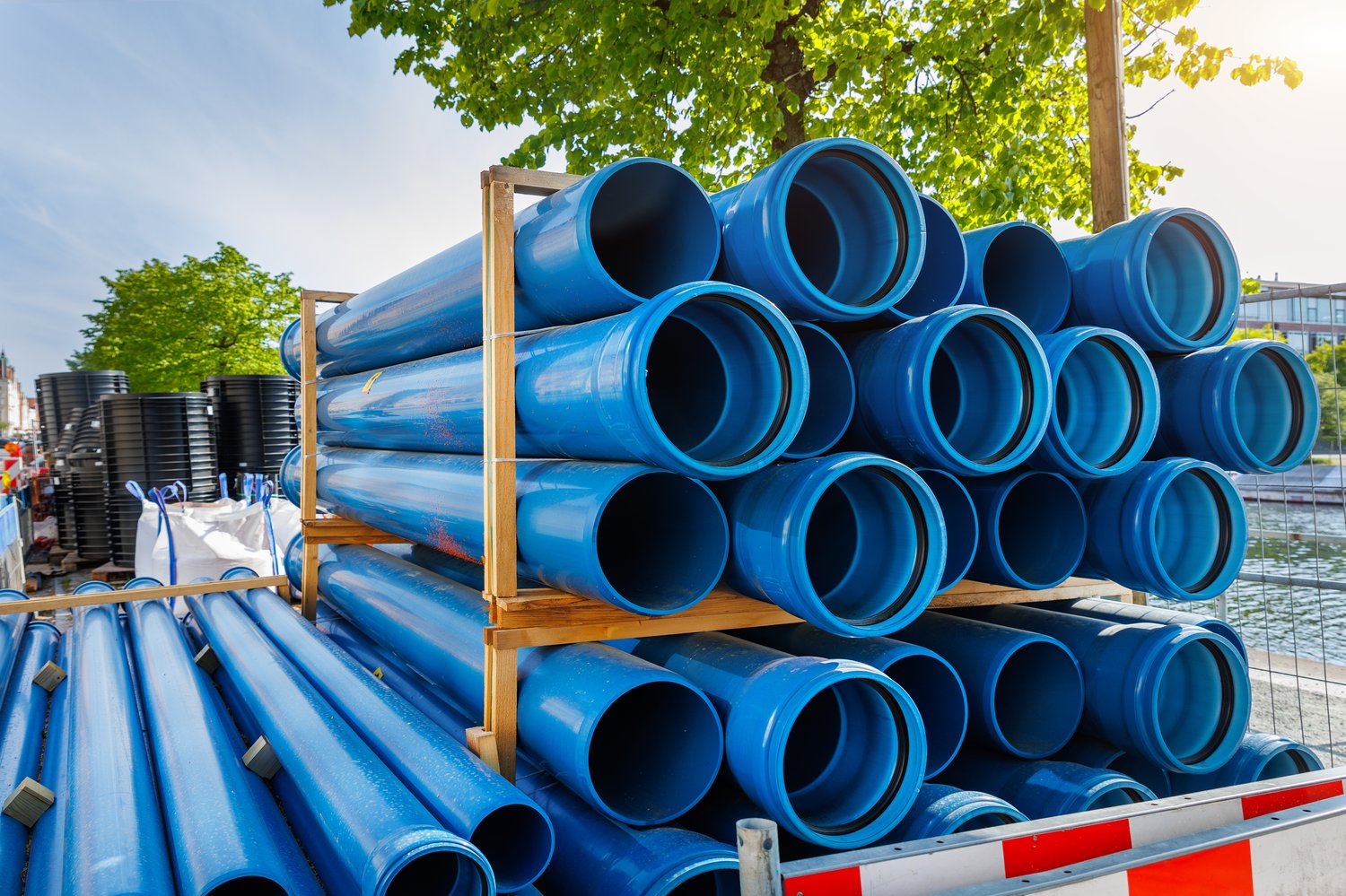
Plastic installations have revolutionized the plumbing industry over the past three decades. These systems offer superior corrosion resistance compared to traditional metal pipes. Modern plastic piping materials include PVC, PEX, and polypropylene variants. Each material serves specific applications in residential and commercial buildings. Professional installers choose these materials for their durability and ease of installation.
Polypropylene pipes withstand temperatures up to 95°C in continuous operation. They resist chemical damage from harsh water conditions. Installation systems https://onninen.pl/en/products/Installation-systems using polypropylene require fewer fittings than traditional methods. This reduces potential leak points throughout your plumbing network. The material maintains its strength for over 50 years under normal operating conditions.
PEX tubing offers excellent flexibility for residential applications. It expands during freezing, which prevents pipe bursts in cold climates. Cross-linked polyethylene maintains its shape after bending around obstacles. Professional contractors appreciate its ability to navigate tight spaces without additional fittings. The material costs 30% less than copper while providing similar performance characteristics.
PVC remains the standard choice for drainage and waste water systems. It handles temperatures up to 60°C without deformation. Chemical resistance makes it suitable for industrial applications with aggressive fluids. The smooth interior surface reduces friction losses by 15% compared to metal alternatives. Installation requires solvent welding, which creates permanent joints stronger than the pipe itself.
Selecting appropriate welding techniques for polypropylene systems
Socket fusion welding creates the strongest joints in polypropylene piping systems. The process involves heating both pipe and fitting to 260°C simultaneously. Welding machines maintain precise temperature control throughout the joining process. Professional installers complete most joints in 8-12 seconds of heating time. Proper fusion creates a homogeneous connection stronger than the original pipe material.
Butt welding suits larger diameter pipes from 63mm upward in commercial applications. This technique joins two pipe ends without additional fittings or couplers. Welded polypropylene systems https://onninen.pl/en/products/Installation-systems/Plastic-installations/Welded-polypropylene-systems using butt fusion eliminate potential weak points. The process requires specialized equipment that costs between 2000-5000 euros. Training certification ensures installers achieve consistent, leak-free results.
Electrofusion welding offers precision in confined spaces where manual welding proves difficult. Special fittings contain built-in heating elements activated by electrical current. The automated process eliminates human error in temperature control and timing. Each fitting includes a barcode indicating exact welding parameters for optimal results. This method costs 40% more than socket fusion but guarantees consistent quality.
Quality control during welding prevents costly failures after installation completion. Visual inspection reveals proper material flow around joint circumferences. Experienced installers recognize correct bead formation indicating successful fusion. Temperature monitoring ensures materials reach proper melting point without overheating damage. Documentation of welding parameters provides warranty support and troubleshooting data.
Planning efficient installation layouts
Proper system design minimizes material costs while ensuring adequate flow rates throughout the building. Engineers calculate pipe diameters based on fixture demand and available water pressure. Velocity limitations prevent noise and erosion in plastic piping systems. Design software helps optimize routing to reduce installation time by 25%. Strategic placement of isolation valves enables maintenance without complete system shutdown.
Thermal expansion calculations prevent stress damage in hot water applications. Polypropylene pipes expand 1.5mm per meter for every 10°C temperature increase. Expansion loops accommodate movement in long straight runs exceeding 15 meters. Fixed anchor points control expansion direction and prevent damage to building structures. Flexible connections isolate equipment from thermal stress in the piping network.
Insulation requirements vary based on application and local building codes. Hot water distribution systems require minimum 25mm thick insulation throughout. Plastic installations https://onninen.pl/en/products/Installation-systems/Plastic-installations benefit from vapor barriers preventing condensation damage. Proper insulation reduces energy losses by up to 60% in heating applications. Pre-insulated pipe systems simplify installation while ensuring consistent thermal performance.
Support spacing prevents sagging and stress concentration in horizontal pipe runs. Polypropylene requires supports every 1.2 meters for 20mm diameter pipes. Larger diameters need closer spacing due to increased weight when filled with water. Vertical runs require supports at each floor level to prevent cumulative stress. Proper support design accommodates thermal movement while maintaining alignment throughout the system.
Maintaining optimal system performance
Regular inspection schedules identify potential issues before they cause system failures. Visual checks every 6 months reveal signs of stress, discoloration, or joint movement. Pressure testing annually verifies system integrity and identifies developing leaks. Professional maintenance includes valve operation testing and expansion joint inspection. Documentation tracks system performance trends over its operational lifespan.
Water quality monitoring protects plastic piping from chemical degradation over time. pH levels between 6.5-8.5 ensure optimal material performance throughout the system. Chlorine concentrations above 5mg/L accelerate aging in some plastic materials. Temperature monitoring prevents operation beyond design limits that reduce service life. Regular testing costs 200-400 euros annually but prevents expensive premature replacements.
Cleaning procedures differ significantly between plastic and metal piping systems. Chemical cleaners suitable for copper pipes may damage plastic materials permanently. Mechanical cleaning tools prevent scratching of smooth interior surfaces in plastic pipes. Flushing procedures remove installation debris without creating turbulence damage. Professional cleaning services understand material compatibility and use appropriate methods.
Replacement planning considers system age, performance history, and building renovation schedules. Modern plastic systems typically require replacement after 40-60 years of service. Component-level replacement addresses specific problem areas without complete system renovation. Upgrade opportunities include improved insulation, smart monitoring systems, and higher efficiency components. Strategic replacement timing coordinates with other building maintenance activities to minimize disruption.