
Understanding network socket requirements
Modern commercial buildings require robust networking solutions to support daily operations. IT sockets and accessories form the foundation of any reliable network installation. These components must handle increasing data demands while maintaining signal integrity across all connected devices.
Network sockets come in various categories, with Cat6 and Cat6a being the most popular choices for new installations. Cat6 cables support speeds up to 1 Gbps over 100 meters, while Cat6a extends this to 10 Gbps. When selecting IT sockets and accessories https://onninen.pl/en/products/Electrotechnics/IT-infrastructure/IT-sockets-and-accessories, consider future bandwidth requirements rather than just current needs.
Shielded twisted pair (STP) cables offer better protection against electromagnetic interference compared to unshielded versions. This protection becomes crucial in environments with heavy electrical equipment or fluorescent lighting. Professional installations typically use STP cables in industrial settings where interference levels exceed 40 volts per meter.
Wall-mounted sockets require proper positioning at heights between 150mm and 300mm from floor level. This placement ensures easy access while preventing damage from cleaning equipment and foot traffic. Multiple socket installations should maintain 50mm spacing between units to allow proper airflow and prevent overheating.
Essential tools for network installation
Professional network installations demand specialized equipment to ensure reliable connections and proper testing. Cable crimpers, punch-down tools, and cable testers represent the minimum toolkit requirements for any network project. These tools help maintain consistency across all connection points while reducing installation time significantly.
Network cable testers verify continuity and signal quality across installed runs, identifying potential issues before system activation. Digital multimeters measure resistance and voltage levels, ensuring all connections meet industry standards. IT tools https://onninen.pl/en/products/Electrotechnics/IT-infrastructure/IT-tools should include cable tracers for troubleshooting existing installations and locating specific runs within cable bundles.
Fish tapes and cable pulling systems facilitate installation through walls, ceilings, and conduit systems. Fiberglass fish tapes work best for distances up to 30 meters, while steel versions handle longer runs effectively. Cable lubricant reduces friction during pulls, preventing jacket damage and reducing installation effort by approximately 40%.
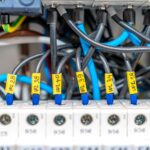
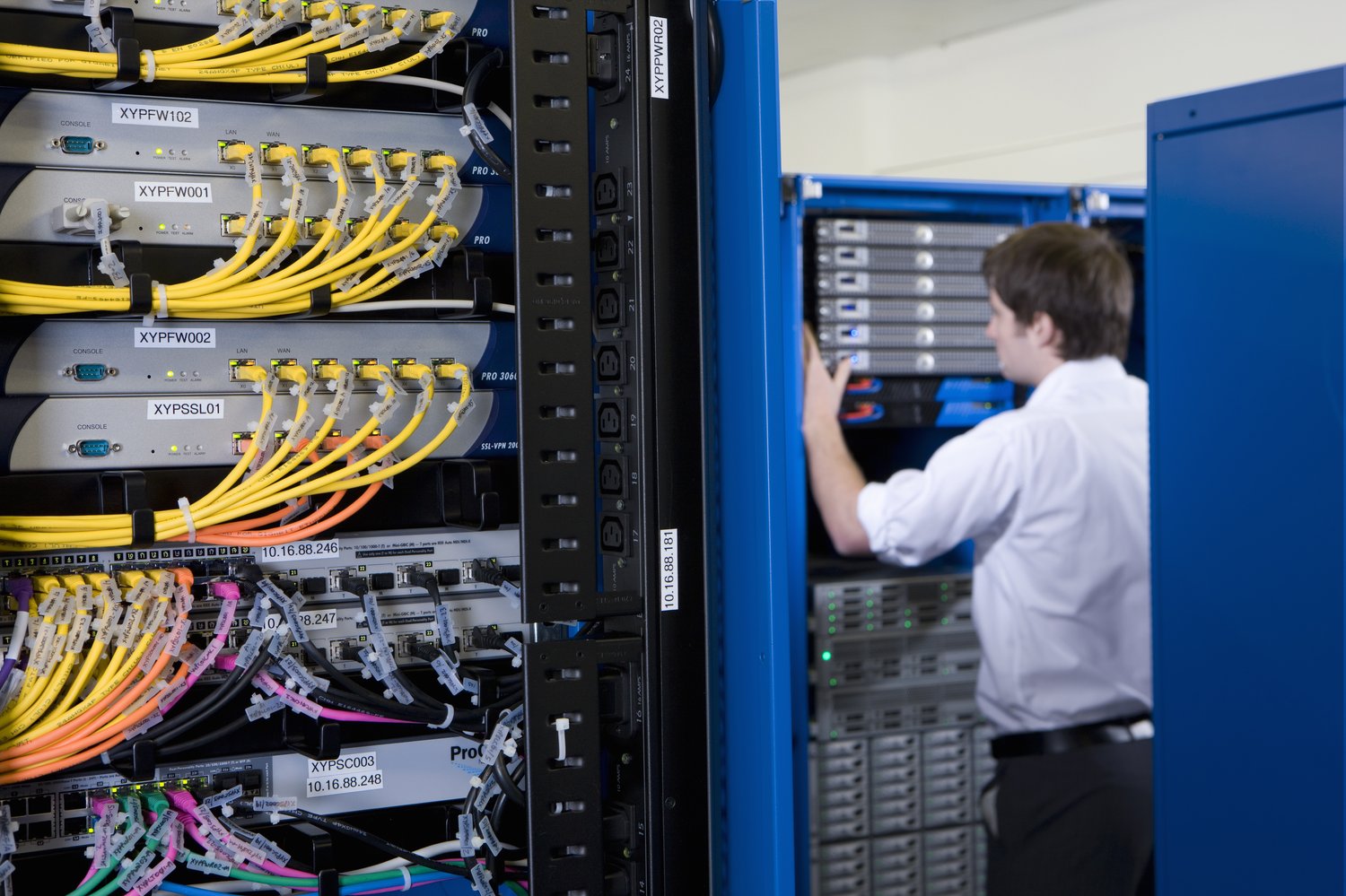
Labeling machines and cable management accessories keep installations organized and maintainable. Proper labeling reduces troubleshooting time by 60% compared to unlabeled systems. Velcro ties and cable management panels maintain neat appearances while allowing future modifications without disturbing adjacent connections.
Planning comprehensive network systems
Successful network installations begin with thorough planning and site surveys to identify optimal equipment placement and cable routing. IT infrastructure design must account for current user requirements plus 25% growth capacity for future expansion. This planning phase typically requires 15% of total project time but prevents costly modifications later.
Structured cabling standards dictate specific requirements for cable types, connector specifications, and testing procedures. These standards ensure compatibility between different manufacturers’ equipment while maintaining performance guarantees. IT infrastructure https://onninen.pl/en/products/Electrotechnics/IT-infrastructure components must comply with ISO/IEC 11801 or TIA-568 standards depending on regional requirements.
Environmental considerations affect equipment selection and placement throughout the installation process. Temperature fluctuations, humidity levels, and electromagnetic interference sources require careful evaluation during planning stages. Server rooms typically maintain temperatures between 18°C and 24°C with relative humidity levels below 60% for optimal equipment performance.
Documentation requirements include cable schedules, connection diagrams, and test results for each installed component. These records provide essential information for future maintenance, troubleshooting, and system expansions. Proper documentation reduces service call duration by an average of 45 minutes per incident while improving first-time resolution rates significantly.
Quality assurance and testing procedures
Professional installations require comprehensive testing to verify performance and identify potential problems before system commissioning. Cable certification tests measure parameters including insertion loss, return loss, and crosstalk levels against established industry standards. These measurements ensure each connection meets or exceeds specified performance criteria for the installed cable category.
Network analyzers provide detailed performance data across frequency ranges relevant to installed cable types. Time domain reflectometry (TDR) testing identifies impedance mismatches, connector problems, and cable defects with accuracy to within 0.3 meters. Testing equipment should include calibrated reference leads to ensure measurement accuracy throughout the testing process.
Visual inspection procedures verify proper connector installation, cable routing, and compliance with bend radius specifications. Fiber optic connections require inspection microscopes to identify contamination, scratches, or polishing defects that affect signal transmission. Digital microscopes with 400x magnification provide adequate detail for most connector types used in commercial installations.
Final acceptance testing involves end-to-end verification using actual network equipment to confirm system functionality. This testing phase validates design assumptions while demonstrating compliance with performance specifications. Test results should be documented and retained for warranty purposes, providing baseline measurements for future troubleshooting activities.