

Imagine a summer day where the ceiling fan turns seamlessly as you adjust its speed and lighting with just a click from your couch. Mastering the wiring of a ceiling fan equipped with a remote control and speed switch not only brings unparalleled convenience but also enhances your home’s comfort and efficiency. As we delve into this topic, you’ll discover how merging technology with functionality transforms everyday living into a more streamlined experience.
- Understanding the Essentials: Unlock the potential of remote controls to elevate the functionality of your ceiling fan, making speed and light adjustments more accessible.
- Gathering the Right Tools: Equip yourself with the necessary components and tools to properly wire your ceiling fan, ensuring a smooth installation process.
- Step-by-Step Wiring Guide: Follow our comprehensive guide to safely integrate a remote control unit and speed switch, enhancing your fan’s performance.
By learning the intricacies of ceiling fan wiring, you gain a skill set that enhances both your comfort and your home. Ready to embark on this journey of DIY mastery? Let’s dive deeper into the details and unlock new dimensions of convenience in your living space.
Understanding Electrical Ceiling Fan: Remote Control and Speed Switch Wiring
Ceiling fans have evolved beyond their basic utility, becoming a staple in modern homes not only for enhancing comfort but also for their energy efficiency. With the integration of remote controls, ceiling fans offer a higher degree of convenience and functionality. Imagine adjusting the fan speed and light settings from anywhere in the room with just a push of a button.
Remote control ceiling fans are designed to streamline your experience, eliminating the need for cumbersome pull chains. For successful installation, one must consider several technical requirements. First, ensure compatibility between the ceiling fan and the remote control kit you choose to install. Second, you should be familiar with the fan’s wiring system. Each remote control kit typically comes with detailed instructions, but understanding wiring diagrams and identifying wiring colors can make the process smoother and safer.
Ultimately, the key to maximizing the functionality of your ceiling fan with a remote control and speed switch is a keen understanding of its wiring setup. This knowledge not only facilitates installation but also empowers you to troubleshoot and optimize your fan’s performance over time.
Components and Tools for Wiring a Ceiling Fan
Wiring a ceiling fan with a remote control and speed switch requires a handful of components and tools. These essentials ensure a seamless and efficient setup of your electrical ceiling fan.
Firstly, you’ll need a remote control module. This module usually includes a receiver that is installed within the fan canopy. It communicates with the handheld remote to control the fan’s operation.
Additionally, wiring connectors are crucial. These enable secure connections between the remote module and the fan’s wiring. Keep a set of wiring connectors at hand for a more efficient installation.
When it comes to tools, a voltage tester ensures that your working environment is safe by confirming that electricity is not running through the wires you will be handling. Wire strippers are fundamental for preparing wires to make connections. Lastly, a screwdriver set, especially with a Philips head, will assist in securing the fan, module, and any wall accessories properly.
A thorough understanding of these components and tools lays a crucial foundation for successful ceiling fan installation. Their correct use not only enhances the operational efficiency of your fan but also prolongs its lifespan, minimizing potential issues.
Step-by-Step Guide to Electrical Ceiling Fan: Remote Control and Speed Switch Wiring
Wiring an electrical ceiling fan with a remote control unit and configuring the speed switch requires precision and attention to detail. This guide will help you navigate through each step, ensuring a seamless installation that enhances both functionality and convenience.
Before you begin, make sure to switch off the power supply to avoid any electrical accidents. Safety should always be your top priority.
Firstly, unpack your ceiling fan and lay out all components on a flat surface. Double-check the manufacturer’s instructions for any unique requirements specific to your model. Begin by assembling the fan parts, ensuring every component fits securely.
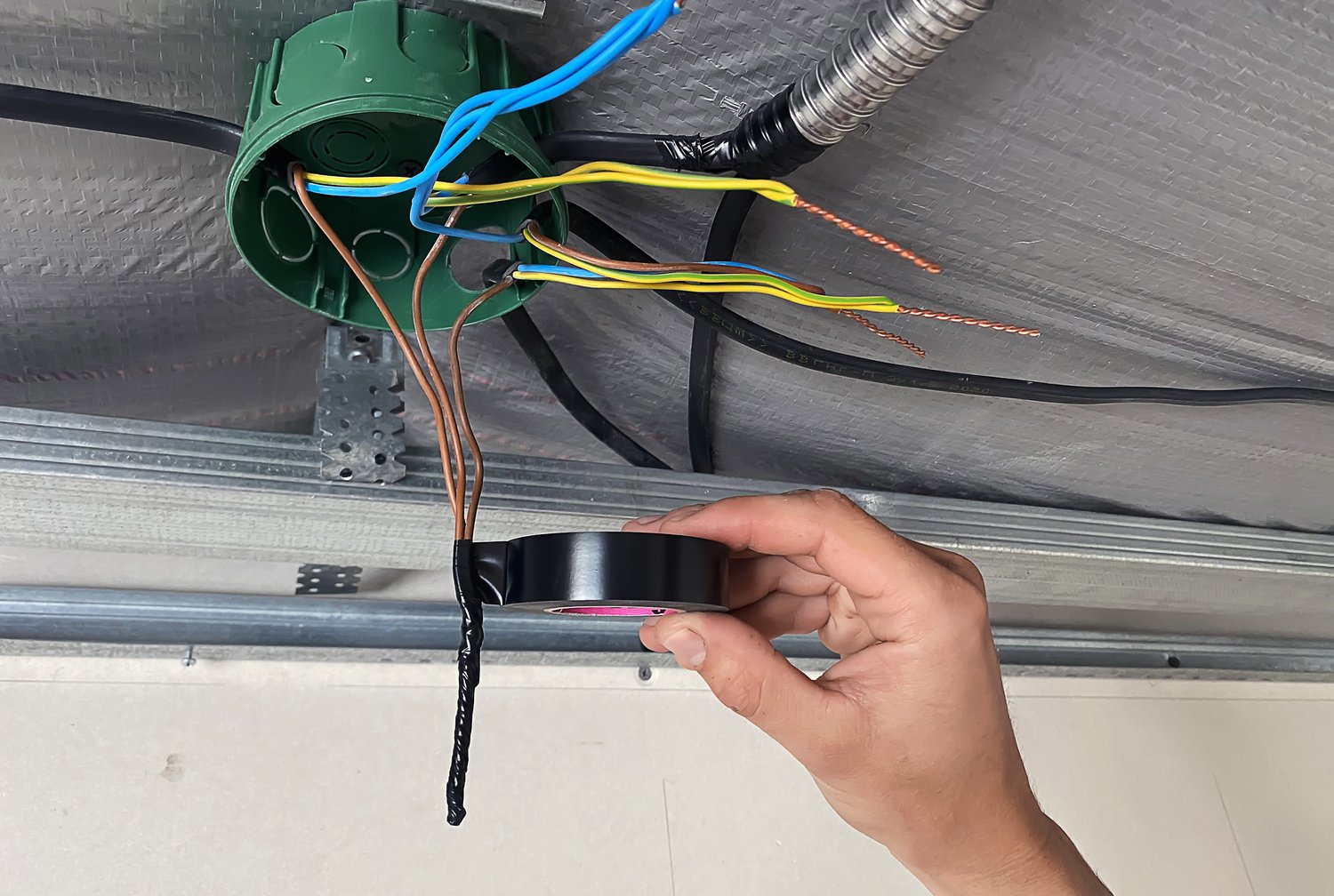
Now, it’s time to connect the wires. Locate the primary electrical connections coming from your ceiling and those on the fan. Typically, you will find wires colored white, black (or blue), and green (or copper). The white wire is neutral, the black or blue wire is the hot wire, and the green or copper wire is the ground.
Attach the white wire from your fan to the white wire in the ceiling using wire connectors. Continue by connecting the black wire on the fan to the black wire in the ceiling, which is often the fan’s live wire. Repeat the process by connecting the ground wires.
Once your fan is connected, integrate the remote control unit. Usually, the remote receiver fits into the fan canopy or the mounting bracket. Connect the wires on the remote receiver to the corresponding wires on the fan and the ceiling. Typically, this will involve connecting the black, blue, and white wires as instructed by the remote control manufacturer’s guide.
After connecting all wires, secure the fan to the ceiling as per the provided instructions. Ensure all screws and fasteners are tight to prevent any wobbling or noise during operation.
Next, focus on configuring the speed switch. The remote control should allow you to adjust the fan’s speed settings easily. Test each speed setting to ensure smooth transitions and proper functionality.
Finally, restore the power and test your setup. Use the remote control to turn your ceiling fan on and off, change speeds, and operate any attached lighting. If everything works smoothly, you’ve successfully wired your ceiling fan with a remote control and speed switch.
Enjoy the modern convenience of your newly wired ceiling fan, and consider experimenting with different speed settings to optimize airflow in your living space. Share your successful installation experience with friends or family who might be interested in similar projects.
Frequently Asked Questions – Ceiling Fan Wiring
What tools are needed for ceiling fan wiring?
Tools Required:
- Voltage tester
- Screwdrivers
- Wire strippers
- Wire connectors
Can I wire a ceiling fan without professional help?
Yes, if you have basic electrical knowledge and follow safety precautions.
How do I ensure the remote control works correctly?
Ensure correct installation of the remote module and check the battery in the remote.
What safety precautions should I consider?
Key Safety Tips:
- Always turn off power at the circuit breaker
- Verify power is off using a voltage tester
How can I test the fan after installation?
Turn on the power, and use the remote to verify all functions like speed control and lighting.