
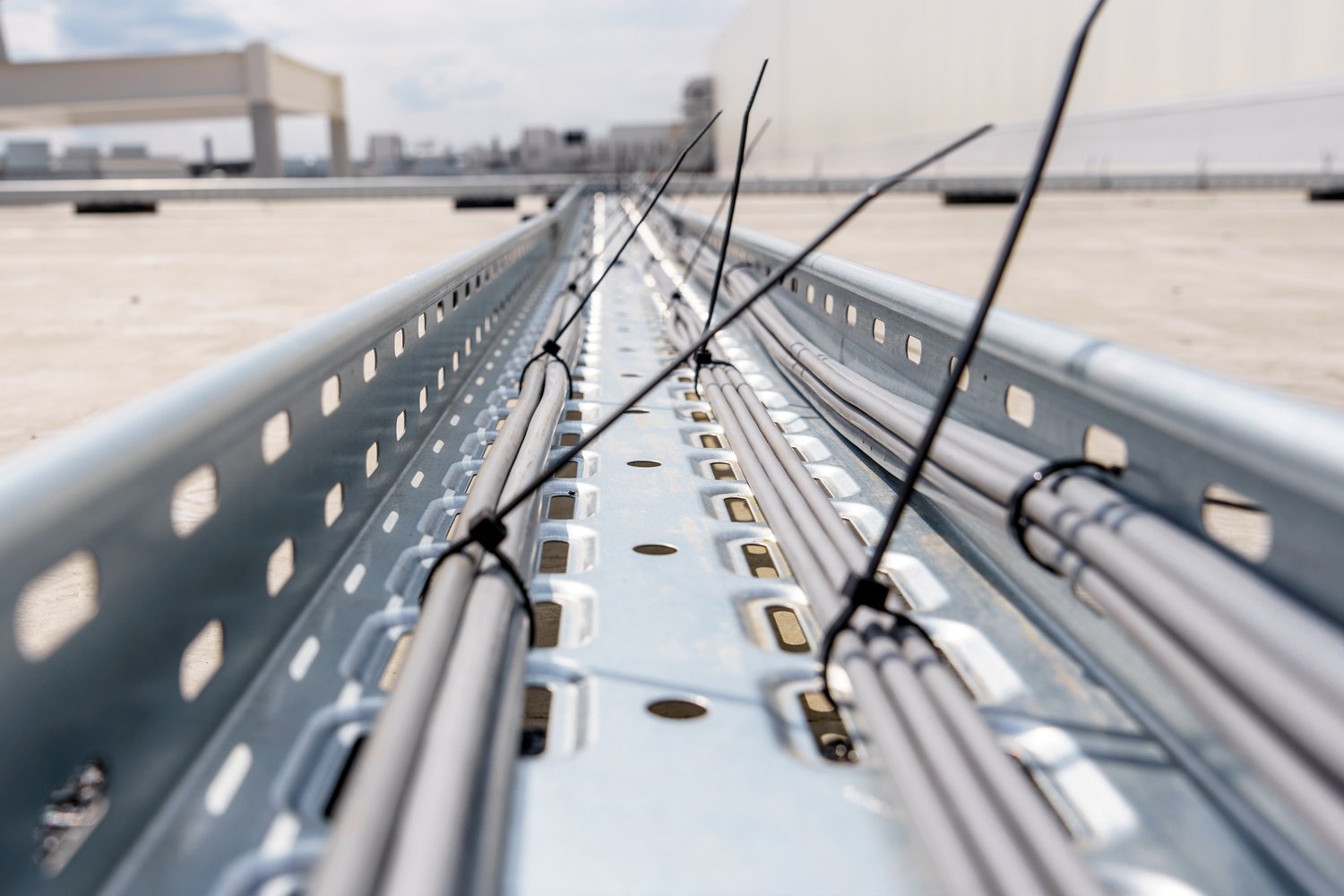

In the bustling realm of commercial wiring, where safety and efficiency are non-negotiable, electrical cable trays emerge as unsung heroes, streamlining the chaos of bundled wires. These trays offer a robust solution by neatly organizing cables, reducing installation time, and lowering maintenance costs—making them indispensable in contemporary commercial infrastructure. This article unravels the intricacies behind selecting and installing these essential support systems, providing a roadmap for enhancing operational efficacy.
- Discover why cable trays outperform traditional wiring methods in commercial environments.
- Explore the diverse types of cable trays and their unique applications tailored to specific needs.
- Gain valuable insights into the step-by-step installation process to maximize safety and compliance.
Dive into this comprehensive guide to understand the transformative impact of electrical cable trays in commercial wiring systems, ensuring that your projects are not only efficient but also adhere strictly to industry standards.
Understanding Electrical Cable Tray Installation in Commercial Wiring Support Systems
Electrical cable tray installation plays a crucial role in the organization and support of electrical wiring in commercial environments. As a primary component of commercial wiring support systems, cable trays offer numerous advantages over traditional wiring methods. They provide a highly efficient method of managing cables, reducing the clutter and potential hazards associated with tangled wires.
One of the main benefits of using cable trays in commercial settings is their flexibility. Unlike conduit systems, cable trays allow for easy modifications and upgrades. This adaptability is especially valuable in dynamic environments where electrical needs may evolve. Furthermore, cable trays enhance accessibility, simplifying maintenance and troubleshooting tasks.
In terms of safety and compliance, cable trays are designed to meet stringent industry standards. They provide robust protection for electrical cables, minimizing the risk of damage and electrical hazards. By promoting organized and safe cable management, cable trays help businesses maintain compliance with regulatory requirements.
Overall, the implementation of cable trays in commercial wiring support systems significantly improves both operational efficiency and safety. By choosing cable trays, businesses can ensure that their electrical systems remain organized and adaptable to future demands, all while adhering to industry best practices.
Key Components and Types of Electrical Cable Trays
When selecting electrical cable trays for commercial use, it’s essential to understand the various types available. Each type serves unique applications and offers different advantages regarding material and design.
Ladder cable trays are among the most popular options. They are characterized by their rungs, which provide excellent ventilation for the cables and easy access for maintenance. These trays are ideal for supporting large-diameter cables in areas with high service needs.
Perforated cable trays feature small holes throughout the base, facilitating heat dissipation and cable aeration. This design is suitable for medium to light-duty cable runs where natural cooling is a priority.
Solid-bottom cable trays offer a completely enclosed channel, protecting cables from dust and debris. They are best suited for environments where cables require additional shielding from external elements.
Each type of cable tray is constructed using different materials like steel, aluminum, or fiberglass, depending on the specific commercial environment. The choice of material can affect the tray’s durability, weight, and corrosion resistance, factors that are crucial in diverse industrial settings.
By understanding these key components and types of electrical cable trays, businesses can make informed decisions, ensuring the selected solution aligns with their specific needs and operational conditions.
Best Practices for Electrical Cable Tray Installation in Commercial Wiring Support Systems
Ensuring the successful installation of electrical cable trays in commercial wiring support systems involves understanding key practices that maximize both efficiency and safety. By adhering to these best practices, you can optimize space, enhance safety measures, and ensure compliance with industry standards, ultimately leading to a reliable and organized electrical network.
Firstly, it is crucial to conduct a thorough assessment of the space where the cable tray will be installed. This involves analyzing the layout and determining potential obstructions to ascertain the most effective route. Efficient space utilization not only helps in maintaining organization but also minimizes the risk of potential electrical mishaps.
Next, selecting the appropriate type of cable tray is imperative. Depending on the commercial environment, you might consider using ladder, perforated, or solid-bottom trays. Each type has its advantages, such as ventilation, support, or cost-effectiveness, and choosing the correct one can influence the overall performance and longevity of your wiring system.
During the installation process, proper support and anchoring are essential. Ensure that the cable trays are securely mounted with the appropriate brackets and supports. This prevents sagging or misalignment, which could lead to premature wear or accidents.
Complying with electrical codes and standards is non-negotiable. As you proceed with installation, double-check against local regulations to ensure that your work is up to par with safety requirements and legal standards. Non-compliance could lead to expensive fines or, worse, safety hazards.
Finally, consistently practice routine maintenance after the installation is complete. Regularly inspect the cable trays, looking for any signs of wear or damage. Immediate repairs or adjustments safeguard the system’s longevity and efficiency.
By following these best practices, you will enhance the effectiveness of your commercial wiring support system. This not only increases operational efficiency but ensures a safe environment for all stakeholders involved.
FAQs on Electrical Cable Tray Installation
What is the main purpose of cable trays in commercial electrical systems?
Cable trays are used to support and organize electrical cables, ensuring safe and efficient wiring installations.
What types of electrical cable trays are commonly used in commercial settings?
Common types include ladder, perforated, and solid-bottom trays, each serving different functional needs.
Are there specific materials recommended for cable trays in certain environments?
Yes, materials such as aluminum and steel are chosen based on environmental conditions like moisture or exposure to chemicals.
Can cable trays be installed outdoors?
Yes, with the appropriate weather-resistant materials, cable trays can be installed outdoors.
What are the best practices for installing cable trays?
Best practices include following manufacturer guidelines, ensuring proper support and spacing, and maintaining compliance with local codes.