
Understanding different types of bathroom faucets
Bathroom faucets come in several distinct categories that serve different purposes in your home. Single-handle models offer convenient temperature and flow control through one lever mechanism. Two-handle designs provide separate controls for hot and cold water, giving you precise temperature adjustment. Wall-mounted options save counter space and create a sleek, modern appearance. Each type requires different installation methods and plumbing configurations.
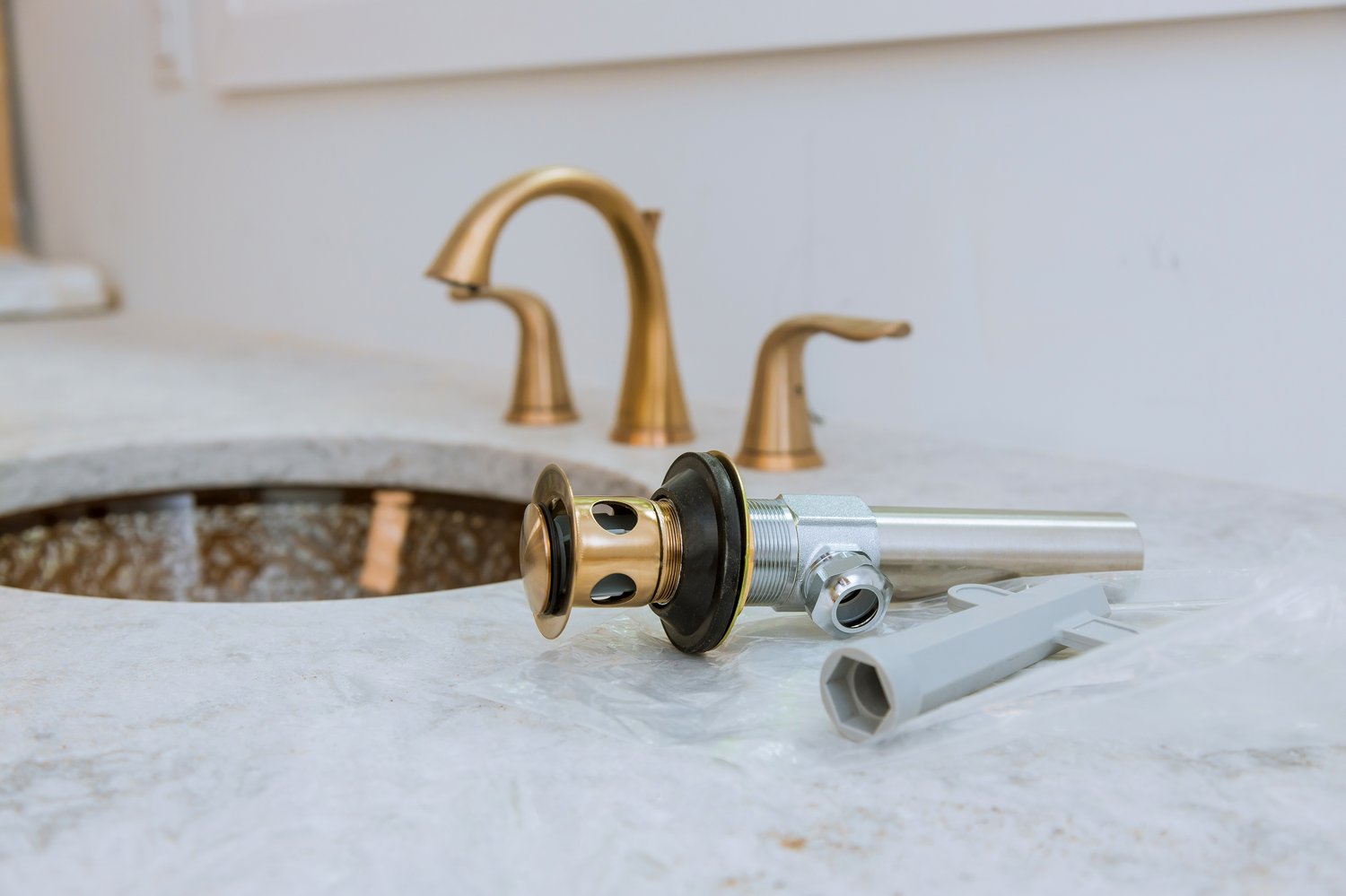
Standing washbasin faucets represent the most common choice for bathroom sinks and vanities. These units mount directly onto the sink or countertop surface. They typically range from 4 inches to 12 inches in height. Most models feature a standard 4-inch center-set design or an 8-inch widespread configuration. The spout reach varies from 3 to 7 inches depending on your sink size.
Shower faucets control water flow and temperature for your bathing area. Thermostatic mixing valves maintain consistent water temperature within 2 degrees Fahrenheit. Pressure-balancing valves prevent dangerous temperature spikes when water pressure changes. Digital shower systems allow you to preset your preferred temperature to exactly 98 or 102 degrees. These advanced models can cost between $800 and $2,500 for complete installation.
Bathroom equipment encompasses various fixtures that work together in your space. Faucet finishes should complement your other hardware like towel bars and cabinet handles. Chrome remains the most popular choice, accounting for 45% of all bathroom fixture sales. Brushed nickel follows at 28%, while matte black has grown to 15% market share. Oil-rubbed bronze and brass finishes make up the remaining 12% of consumer preferences.
Key features to consider when selecting faucets
Water flow rate significantly impacts both performance and efficiency in your daily routine. Standard bathroom faucets deliver 2.2 gallons per minute at 60 pounds per square inch pressure. Low-flow models reduce this to 1.5 gallons per minute, saving approximately 700 gallons annually. WaterSense certified products can cut water usage by 30% without sacrificing performance. These efficient models typically add $15 to $40 to the initial purchase price.
Cartridge type determines the longevity and repair requirements of your faucet system. Ceramic disc cartridges last 15 to 20 years with proper maintenance and water quality. Ball cartridges require replacement every 5 to 8 years but cost less initially. Compression cartridges need new washers and O-rings every 2 to 3 years. Each cartridge style affects the overall feel and operation of your faucet handle.
Spout height and reach must match your sink dimensions and usage patterns. High-arc spouts provide 8 to 12 inches of clearance for washing hands and filling containers. Low-profile designs work better with shallow sinks and limited backsplash space. The spout should extend 75% of the way to the drain for optimal water placement. Standing washbasin faucets https://onninen.pl/en/products/Kitchen-and-bathroom/Bathroom-equipment/Bathroom-faucets/Standing-washbasin-faucets offer the widest range of height and reach options for your specific needs.
Installation requirements vary significantly between different faucet configurations and mounting styles. Single-hole installations need just one opening in your sink or countertop. Three-hole setups require precise 4-inch or 8-inch spacing measurements. Wall-mounted units demand access to plumbing lines inside your wall structure. Professional installation costs range from $150 to $350 depending on complexity and local labor rates.
Maintenance tips for long-lasting faucet performance
Regular cleaning prevents mineral buildup and maintains your faucet’s appearance and functionality. Use mild soap and warm water weekly to remove soap scum and water spots. Avoid abrasive cleaners that can scratch finishes and damage protective coatings. White vinegar removes calcium deposits naturally without harsh chemicals. Soak aerators in vinegar for 4 hours every 3 months to maintain proper flow.
Water quality directly affects the lifespan and performance of all your plumbing fixtures. Hard water containing more than 7 grains per gallon accelerates mineral accumulation. Water softener systems reduce these minerals to less than 1 grain per gallon. This improvement can extend faucet cartridge life by 40% to 60%. Test your water hardness annually to monitor changes in your local supply.
Prompt repair of minor issues prevents major problems and expensive replacements down the road. Dripping faucets waste 3 gallons daily, adding $35 annually to your water bill. Replace worn washers and O-rings immediately when you notice leaks. Cartridge replacement typically costs $25 to $60 in parts plus labor if needed. Bathroom faucets https://onninen.pl/en/products/Kitchen-and-bathroom/Bathroom-equipment/Bathroom-faucets with quality construction can operate reliably for 15 to 25 years with proper care.
Professional servicing ensures optimal performance and identifies potential problems before they become costly. Annual inspections cost $75 to $125 but can prevent emergency repairs costing $300 or more. Shower faucets https://onninen.pl/en/products/Kitchen-and-bathroom/Bathroom-equipment/Bathroom-faucets/Shower-faucets require special attention to pressure-balancing valves and thermostatic controls. These safety components protect against scalding and should be tested every 6 months for proper operation.
Budget considerations and value comparison
Entry-level faucets typically cost between $50 and $150 and provide basic functionality for budget-conscious homeowners. These models use compression cartridges and standard finishes like polished chrome. Mid-range options priced from $150 to $400 offer ceramic disc cartridges and upgraded materials. Premium faucets ranging from $400 to $1,200 feature advanced technologies and designer finishes. Commercial-grade units can exceed $1,500 for specialized applications.
Installation costs significantly impact your total project budget and should be factored into purchasing decisions. DIY installation saves $150 to $350 per faucet but requires proper tools and plumbing knowledge. Professional installation ensures warranty coverage and proper operation. Complex installations involving new plumbing lines can cost $500 to $1,000 additional. Factor these expenses when comparing different faucet options and configurations.
Long-term operating costs include water usage, energy consumption, and maintenance requirements over the fixture’s lifespan. Efficient models save $25 to $60 annually on utility bills through reduced water and heating costs. Quality cartridges reduce service calls and replacement part expenses. Bathroom equipment https://onninen.pl/en/products/Kitchen-and-bathroom/Bathroom-equipment with better warranties protect your investment for 5 to 15 years. Calculate total ownership costs rather than just initial purchase price.
Return on investment varies based on usage patterns, home value, and fixture quality. High-end faucets typically recover 65% to 80% of their cost in home resale value. Energy-efficient models pay for themselves within 3 to 7 years through utility savings. Quality fixtures reduce replacement frequency from every 8 years to every 20 years. Consider your long-term plans when selecting faucets for your bathroom renovation or new construction project.