
Understanding modern home ventilation technology
Recuperation systems have revolutionized how we think about home ventilation in recent decades. These innovative systems recover heat from outgoing stale air and transfer it to incoming fresh air. Modern recuperation units can achieve heat recovery rates of up to 95 percent, making them highly efficient. They work continuously to maintain optimal indoor air quality while minimizing energy waste. The technology behind these systems has advanced considerably since their introduction in the 1970s.
Energy recovery ventilation differs from traditional exhaust fans in several important ways. Standard ventilation methods simply remove indoor air without capturing its thermal energy. This process forces heating and cooling systems to work harder to maintain comfortable temperatures. Recuperation technology addresses this inefficiency by preserving valuable heat energy. The result is lower utility bills and reduced environmental impact throughout the year.
Heat exchangers form the core component of every recovery ventilation system. These devices contain multiple thin plates or tubes that separate incoming and outgoing airstreams. Fresh outdoor air passes through one set of channels while stale indoor air flows through adjacent passages. Heat transfers between the two airstreams without them mixing together. This separation ensures that outdoor pollutants and indoor contaminants remain isolated from each other.
Installation complexity varies depending on the specific type of system chosen for your home. Whole-house units typically require extensive ductwork modifications and professional installation expertise. Point-of-use models can often be installed with minimal disruption to existing structures. Professional assessment helps determine which option best suits your particular situation and budget constraints. Most installations take between 4 to 8 hours depending on system complexity and home layout.
Cost considerations include both initial equipment expenses and long-term operational savings potential. Basic residential units start around $800 while premium models can exceed $3000 before installation costs. However, these systems typically reduce heating and cooling expenses by 20 to 40 percent annually. Many homeowners recover their initial investment within 5 to 7 years through energy savings. Federal and state rebate programs often provide additional financial incentives for qualifying installations.
Choosing the right ventilation equipment for your space
Whole-house systems integrate with existing HVAC infrastructure to provide comprehensive ventilation coverage. These centralized units handle air exchange for entire homes through connected ductwork networks. Recuperation centers serve as the command hub for these sophisticated installations, managing airflow rates and heat recovery processes. They typically mount in basements, utility rooms, or attic spaces where noise levels remain minimal. Professional sizing calculations ensure adequate capacity for your specific square footage and occupancy requirements.
Decentralized solutions offer flexibility for homes without extensive ductwork or during renovation projects. Individual room units operate independently to serve specific areas like bedrooms, offices, or bathrooms. Recuperation centers in decentralized systems are smaller and designed for localized applications. Each unit contains its own heat exchanger, fans, and control mechanisms. This approach allows homeowners to upgrade ventilation gradually room by room as budget permits.
Capacity requirements depend on several factors including room volume, occupancy levels, and local climate conditions. Standard residential applications require 0.35 air changes per hour minimum for adequate fresh air supply. Kitchens and bathrooms typically need higher ventilation rates due to moisture and odor generation. Bedrooms require approximately 15 cubic feet per minute per occupant for healthy sleep environments. Living areas generally need 7.5 cubic feet per minute per occupant for comfort and air quality.
Filter specifications significantly impact both air quality and system maintenance requirements over time. MERV ratings between 8 and 13 provide excellent filtration for most residential applications. Higher-rated filters capture smaller particles but may restrict airflow if not properly sized. Electrostatic filters offer washable alternatives to disposable media but require regular cleaning schedules. HEPA filters provide maximum particle removal but typically require more powerful fans to maintain adequate airflow.
Control options range from basic manual switches to sophisticated smart home integration capabilities. Programmable timers allow automatic operation during optimal periods while reducing energy consumption during vacant hours. Humidity sensors can trigger increased ventilation when moisture levels exceed preset thresholds. Temperature-based controls adjust fan speeds based on indoor and outdoor conditions. Smartphone apps enable remote monitoring and adjustment of system parameters from anywhere.
Installation considerations for optimal performance
Single-room installations provide targeted ventilation solutions without requiring extensive home modifications. Wall recuperation units mount directly through exterior walls, similar to window air conditioning installations. These compact devices contain all necessary components in one housing for simplified setup. Professional installation typically takes 2 to 3 hours including wall penetration and electrical connections. They work particularly well in bedrooms, home offices, and other spaces requiring dedicated fresh air supply.
Ducted configurations offer whole-house coverage but require more complex installation procedures and planning. Central units connect to supply and exhaust ductwork that distributes conditioned air throughout the home. Wall recuperation systems represent a middle ground between single-room and whole-house approaches. They can serve multiple adjacent rooms through short duct runs while maintaining installation simplicity. This flexibility makes them popular for additions, renovations, and homes with challenging ductwork access.
Electrical requirements vary significantly between different system types and capacity ratings. Basic wall-mounted units typically operate on standard 120-volt household current with minimal amperage draw. Larger central systems may require 240-volt connections and dedicated circuit breakers for safe operation. Motor efficiency ratings affect both performance and electrical consumption over the system’s operational lifetime. Variable-speed motors provide better efficiency than single-speed alternatives but cost more initially.
Condensate drainage becomes critical in climates with significant temperature and humidity variations throughout seasons. Heat recovery processes can generate moisture that must be properly collected and drained away. Interior installations require drainage connections to existing plumbing or exterior discharge points. Freeze protection measures prevent ice formation in drainage lines during winter operation. Proper slope and trap installation ensure reliable moisture removal without creating maintenance problems.
Commissioning and balancing procedures ensure optimal system performance after installation completion. Airflow measurements verify that actual performance matches design specifications and local code requirements. Fan speed adjustments fine-tune the system for quiet operation while maintaining adequate ventilation rates. Filter installation and initial startup procedures prepare the system for reliable long-term operation. Professional documentation provides maintenance schedules and warranty information for future reference.
Maintenance and troubleshooting best practices
Regular filter replacement represents the most critical maintenance task for sustained system performance and longevity. Standard pleated filters require replacement every 3 to 6 months depending on local air quality conditions. Homes with pets or smokers typically need more frequent filter changes to maintain adequate airflow. Clogged filters force fans to work harder, increasing energy consumption and potentially shortening motor life. Visual inspections help determine appropriate replacement intervals for your specific environment and usage patterns.
Heat exchanger cleaning maintains optimal heat transfer efficiency and prevents contamination buildup over extended operation periods. Most residential units allow access for periodic cleaning without requiring complete system disassembly. Soft brushes and mild detergents effectively remove accumulated dust and debris without damaging delicate surfaces. Annual professional cleaning services ensure thorough maintenance and identify potential problems before they cause system failures. Proper cleaning techniques preserve heat exchanger coatings and extend overall system lifespan significantly.
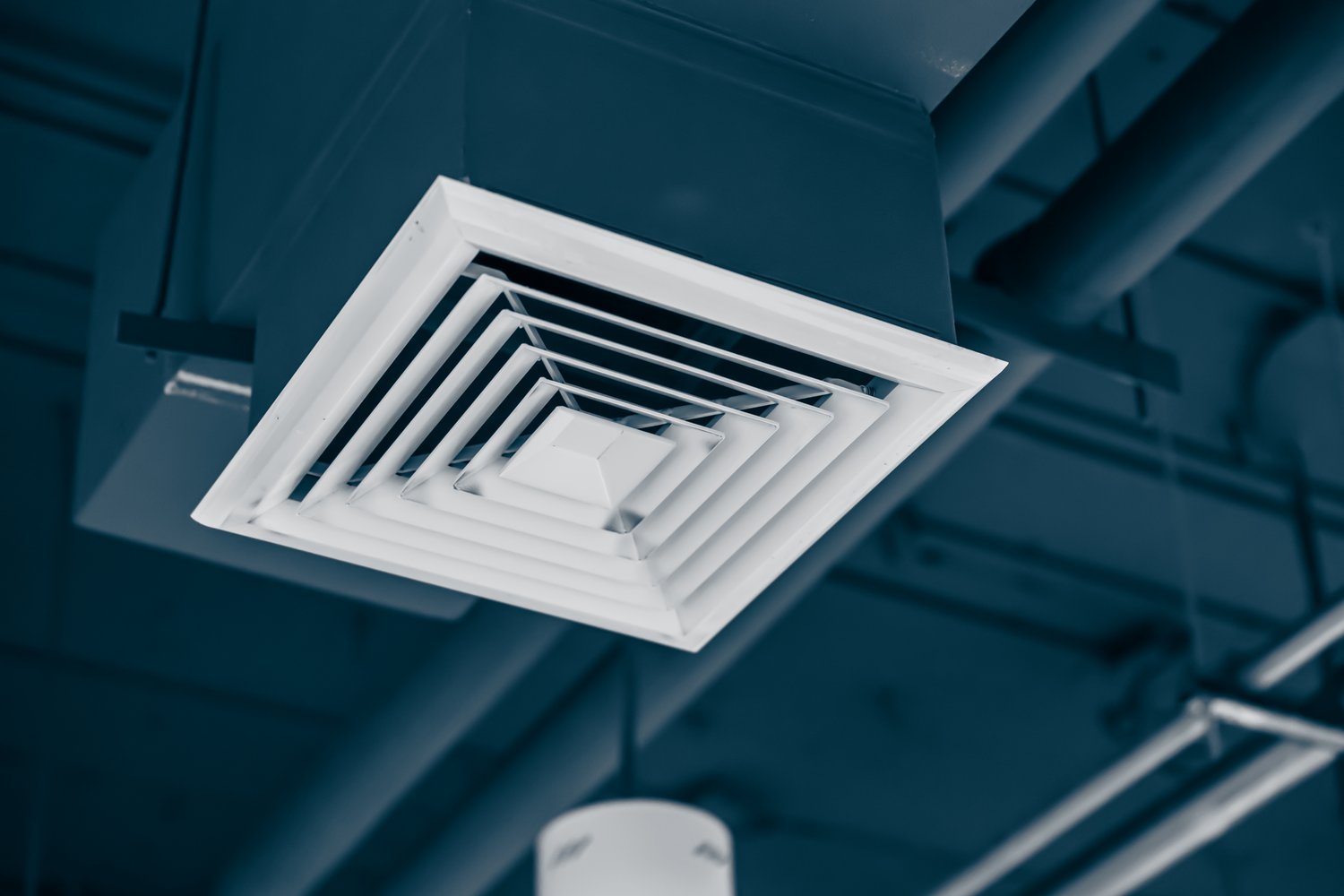
Ductwork inspection and cleaning become necessary when Air distribution system components accumulate dust, debris, or biological growth. Flexible ducts are particularly susceptible to compression and damage that reduces airflow capacity. Professional duct cleaning services use specialized equipment to remove accumulated contaminants safely and thoroughly. Air distribution system maintenance includes sealing leaks and insulating exposed sections for maximum efficiency. Regular inspection schedules help identify problems early when repairs remain simple and inexpensive.
Fan motor maintenance involves lubrication, bearing inspection, and electrical connection verification for reliable long-term operation. Most modern units feature sealed bearings that require no routine lubrication but should be inspected annually. Belt-driven systems need periodic belt tension adjustment and replacement when wear becomes apparent. Electrical connections can loosen over time due to thermal cycling, creating resistance and potential fire hazards. Professional technicians have specialized tools for accurate motor testing and calibration procedures.
Troubleshooting common problems saves service call expenses and maintains system availability during critical weather periods. Reduced airflow often indicates clogged filters, blocked vents, or fan motor problems requiring immediate attention. Unusual noises may signal bearing wear, loose components, or debris interference with moving parts. Control system malfunctions sometimes result from simple issues like dead batteries in wireless sensors or loose wiring connections. Manufacturer documentation provides step-by-step diagnostic procedures and recommended solutions for most common operational issues.