
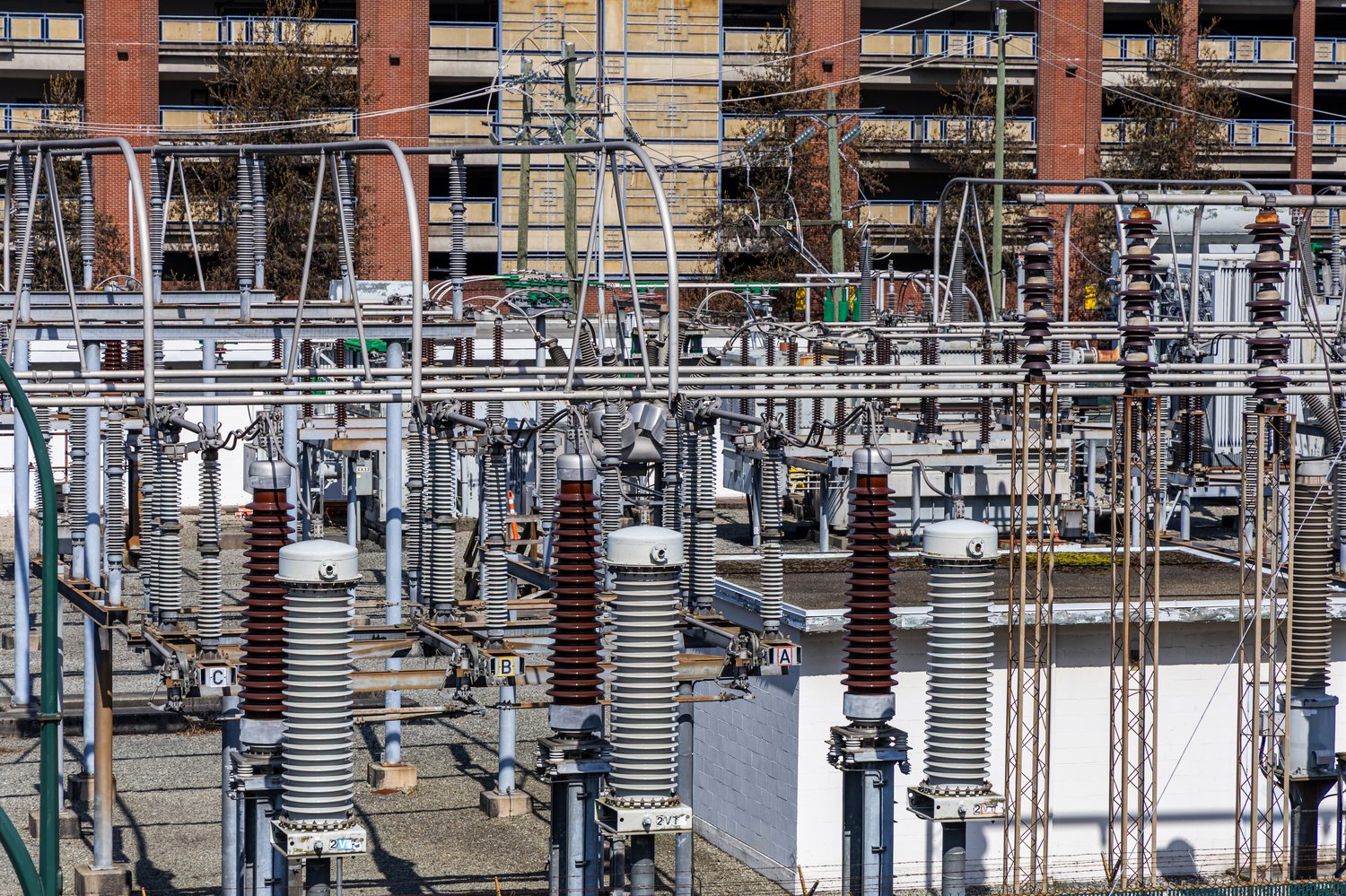

Understanding Low Voltage Terminal Applications
Low voltage (LV) terminals serve as critical connection points in electrical distribution networks. These components handle voltages typically below 1000V AC or 1500V DC in residential and commercial installations. They provide secure mechanical and electrical connections between conductors and various system elements. Professional electricians rely on these terminals for safe power transmission in overhead line configurations. Their proper selection directly impacts system reliability and operational safety.
Modern electrical installations require terminals that withstand environmental stresses including temperature fluctuations, moisture, and UV radiation. Quality Low voltage (LV) terminals feature corrosion-resistant materials such as aluminum alloys or tinned copper. These materials maintain conductivity over decades of service life. Installation crews prefer terminals with clear marking systems for easy identification during maintenance procedures. Standard voltage ratings include 230V, 400V, and 690V for three-phase applications.
Terminal selection depends on conductor cross-sections ranging from 16mm² to 240mm² for typical overhead applications. Current-carrying capacity varies from 63A to 400A depending on the specific terminal design and ambient conditions. Connection methods include bolted, compression, and piercing technologies for different installation requirements. Each method offers distinct advantages in terms of installation speed and long-term reliability. Proper torque specifications ensure optimal contact resistance and prevent overheating.
Safety standards such as IEC 61284 and EN 50341 govern terminal performance requirements in European markets. These standards specify mechanical strength, electrical performance, and environmental resistance criteria. Compliance testing includes pull-out force measurements exceeding 2.5 times the maximum rated load. Temperature cycling tests simulate seasonal variations from -40°C to +85°C. Salt spray resistance testing ensures coastal installation suitability.
Installation professionals must consider load calculations when specifying terminals for specific applications. Peak demand analysis helps determine appropriate current ratings with safety margins typically set at 125% of maximum expected load. Power factor considerations affect terminal heating under reactive loads common in motor-driven equipment. Voltage drop calculations ensure terminals maintain acceptable resistance values throughout their service life. These factors collectively determine the most suitable terminal specifications for each project.
Choosing Quality Fittings for Overhead Infrastructure
Overhead power lines require specialized hardware components designed for outdoor exposure and mechanical stress. Fittings for overhead lines include insulators, clamps, brackets, and protective covers that support reliable power transmission. These components must withstand wind loads up to 150 km/h and ice accumulation in harsh winter conditions. Material selection focuses on non-corrosive alloys and weather-resistant polymers. Professional installers evaluate each fitting based on mechanical strength and electrical performance criteria.
Insulator selection represents a critical decision affecting system reliability and maintenance requirements. Porcelain insulators offer excellent electrical properties and mechanical strength for traditional installations. Composite insulators provide lighter weight and better pollution resistance in industrial environments. Fittings for overhead lines must accommodate thermal expansion and contraction cycles throughout seasonal changes. Creepage distance specifications ensure adequate performance under wet conditions and pollution exposure.
Clamp assemblies secure conductors while maintaining proper electrical contact and mechanical support. Suspension clamps distribute conductor weight across support structures without creating stress concentration points. Tension clamps provide dead-end terminations capable of withstanding full conductor breaking strength. Armor rod protection prevents conductor damage at clamp contact points during wind-induced vibration. These protective elements extend conductor life by 15-20 years in typical installations.
Wildlife protection represents an increasingly important consideration in overhead line design and component selection. Bird guards prevent contact between wildlife and energized components, reducing outage frequency by up to 80%. Insulator covers eliminate nesting opportunities while maintaining required electrical clearances. Snake guards protect equipment in regions where reptile contact causes frequent interruptions. These protective measures improve system availability while supporting environmental conservation efforts.
Regular inspection and maintenance schedules maximize fitting performance and extend service life beyond design expectations. Visual inspections identify corrosion, mechanical damage, or contamination buildup requiring attention. Thermographic surveys detect connection problems before they cause system failures. Torque verification ensures mechanical connections maintain proper clamping force over time. Predictive maintenance programs reduce unexpected failures by 60% compared to reactive maintenance approaches.
Energetics Solutions for Modern Power Distribution
Power distribution systems require comprehensive planning that addresses current needs while accommodating future expansion requirements. Energetics encompasses the complete range of electrical infrastructure components from generation to end-user connections. System designers must balance initial costs against long-term reliability and maintenance expenses. Load growth projections typically assume 3-5% annual increases in residential areas and 2-8% in commercial districts. These projections directly influence component sizing and system architecture decisions.
Smart grid technologies integrate traditional distribution equipment with digital monitoring and control capabilities. Advanced metering infrastructure provides real-time consumption data for improved load management and outage detection. Distribution automation systems enable remote switching and fault isolation without manual intervention. Energetics solutions increasingly incorporate renewable energy integration features for solar and wind power connections. These technologies reduce operational costs while improving service reliability.
Energy efficiency considerations drive component selection toward lower-loss alternatives in modern distribution systems. High-efficiency transformers reduce no-load losses by 30-50% compared to conventional designs. Low-resistance conductors minimize transmission losses over long distribution runs. Power factor correction equipment reduces reactive power demand and associated system losses. LED street lighting integration reduces municipal power consumption by 40-60% while improving visibility and safety.
Fault protection systems must coordinate properly to isolate problems while maintaining service to unaffected areas. Circuit breaker coordination studies ensure proper operation sequence during fault conditions. Ground fault protection prevents equipment damage and personnel hazards in wet conditions. Arc fault detection systems identify dangerous arcing conditions before they cause fires or equipment damage. Modern protection systems respond to fault conditions within 3-5 cycles, limiting damage and improving safety.
Maintenance optimization programs extend equipment life while reducing operational expenses through strategic component replacement and upgrade schedules. Asset management systems track equipment age, condition, and performance history. Condition-based maintenance schedules replacement activities based on actual equipment condition rather than arbitrary time intervals. Bulk purchasing programs reduce component costs by 15-25% through volume discounts and standardized specifications. These programs ensure reliable power delivery while controlling operational expenses.
Installation Best Practices and Safety Requirements
Professional installation practices ensure optimal performance and safety throughout the service life of overhead power distribution systems. Work planning begins with detailed site surveys identifying existing utilities, environmental hazards, and access requirements. Safety protocols include lockout-tagout procedures, personal protective equipment requirements, and emergency response plans. Installation crews must maintain minimum approach distances of 3 meters for voltages below 50kV during energized work procedures. Weather conditions limit installation activities when wind speeds exceed 40 km/h or during precipitation.
Tool requirements include specialized equipment designed for overhead line construction and maintenance activities. Hydraulic crimping tools ensure proper compression connections with consistent contact resistance. Torque wrenches provide accurate bolt tightening to manufacturer specifications preventing loose connections and overheating. Insulated tools rated for working voltages plus safety margins protect workers from electrical contact hazards. Load-rated hardware ensures mechanical connections withstand design loads with appropriate safety factors typically ranging from 2:1 to 5:1.
Quality control procedures verify installation compliance with engineering specifications and industry standards throughout project completion. Connection resistance measurements confirm proper electrical contact at all terminal points. Pull testing validates mechanical connection strength before energization and service entry. Insulation testing verifies adequate electrical separation between phases and ground connections. Documentation requirements include as-built drawings, test results, and material certifications for future reference and maintenance planning.
Training requirements ensure installation personnel possess necessary skills and certifications for safe work practices around energized electrical equipment. Apprenticeship programs typically require 4 years combining classroom instruction with supervised field experience. Continuing education maintains current knowledge of evolving standards, technologies, and safety practices. Specialized certifications include aerial lift operation, confined space entry, and first aid response. Regular safety meetings reinforce proper procedures and address emerging hazards or regulatory changes.
Environmental considerations influence installation methods and component selection to minimize ecological impact while maintaining system performance. Bird-friendly designs reduce wildlife contact through strategic placement and protective barriers. Vegetation management maintains required clearances while preserving natural habitats where possible. Noise mitigation techniques reduce corona discharge and mechanical vibration in residential areas. These practices ensure community acceptance while meeting environmental regulatory requirements and corporate sustainability objectives.