
Replacing an electrical meter socket might seem like a daunting task, but it is a crucial process ensuring the safety and efficiency of your property’s power supply. Understanding when and how to replace a meter socket can prevent potential hazards and interruptions to your electrical supply. This article is your gateway to mastering the intricate procedures involved in electrical meter socket replacement and utility connections.
- Understand the importance of proper electrical meter socket connections: Discover why precise socket installation is vital for safe power distribution.
- Learn to identify signs of socket replacement needs: Equip yourself with the knowledge to detect wear and potential hazards in your meter socket.
- Follow a step-by-step replacement guide: Get a detailed blueprint on the removal and installation of meter sockets with a focus on maintaining correct utility connections.
- Implement essential safety protocols: Familiarize yourself with key safety measures, including personal protective equipment and risk mitigation techniques during socket replacement.
- Conduct post-replacement testing: Ensure the new meter socket meets functionality and compliance standards through proper testing procedures.
This comprehensive guide will equip you with the insights and practical steps needed to carry out a successful electrical meter socket replacement while ensuring seamless utility connections. Dive in for an in-depth understanding that could save you from unwanted power disruptions.
Importance of Electrical Meter Socket Replacement and Utility Connection Procedures
Electrical meter sockets play a crucial role in the distribution of power within residential and commercial properties. They serve as the point of contact between your property’s electrical system and the utility service provider.
Ensuring the proper functioning and secure connection of these sockets is vital for both electrical safety and efficiency.
A damaged or worn-out meter socket can lead to power outages or even pose significant safety hazards such as electrical fires. This makes the timely and accurate replacement of electric meter sockets an integral part of maintaining your property’s electrical infrastructure.
Proper utility connection procedures align with electrical codes and standards, guaranteeing that electricity is distributed safely and effectively throughout the premises. It is essential to understand these procedures to minimize the risk of electrical accidents and ensure the smooth operation of electrical appliances.
Assessing the Need for Meter Socket Replacement
Determining when a meter socket replacement is necessary involves a keen eye for signs of wear and potential safety hazards.
One of the primary indicators is visible damage to the socket, such as cracks, corrosion, or burnt areas. These flaws can compromise the safety and effectiveness of the electrical system.
Frequent power interruptions or unexpected spikes in energy bills can also suggest that the meter socket might not be functioning optimally.
In addition, sockets that are several decades old may not meet current electrical safety standards, necessitating a proactive approach to their replacement.
If you experience any of these issues, it is advisable to seek a professional assessment. Trained electricians can accurately diagnose problems and recommend whether a replacement is the best course of action to ensure the continued safety and efficiency of your property’s electrical system.
Step-by-Step Guide to Electrical Meter Socket Replacement: Ensuring Proper Utility Connections
Replacing an electrical meter socket is a critical task that requires precision and adherence to safety standards. Whether you’re a professional or a DIY enthusiast, understanding this process is essential for maintaining a secure and efficient electrical setup in your home.
First, it’s important to ensure all power sources are turned off before any work begins. This includes shutting down the main power supply to prevent electric shock. Next, remove the old meter socket by carefully detaching the connections. Use insulated tools to avoid any accidental contact with live wires.
Once the old socket is removed, inspect the area for any damage or corrosion. This is crucial for ensuring a reliable connection with the new socket. Select a new meter socket that meets your local utility regulations and installation standards. Install the new socket by securing it onto the mounting surface.
When connecting the meter socket to the utility, follow the manufacturer’s guidelines closely. Proper utility connections are vital for ensuring the flow of electricity remains uninterrupted and safe. Tighten all connections securely to prevent any loose wiring that could lead to future issues.
Finally, double-check all connections and mountings before restoring power. This final verification step is crucial to ensure that the installation has been completed successfully and that the new socket operates as intended.
Safety Protocols During Electrical Meter Socket Replacement
Adhering to safety protocols during electrical meter socket replacement is paramount to preventing accidents and ensuring a secure work environment. Begin by wearing appropriate personal protective equipment (PPE), such as insulated gloves, protective eyewear, and anti-slip footwear, to reduce the risk of electric shock and other injuries.
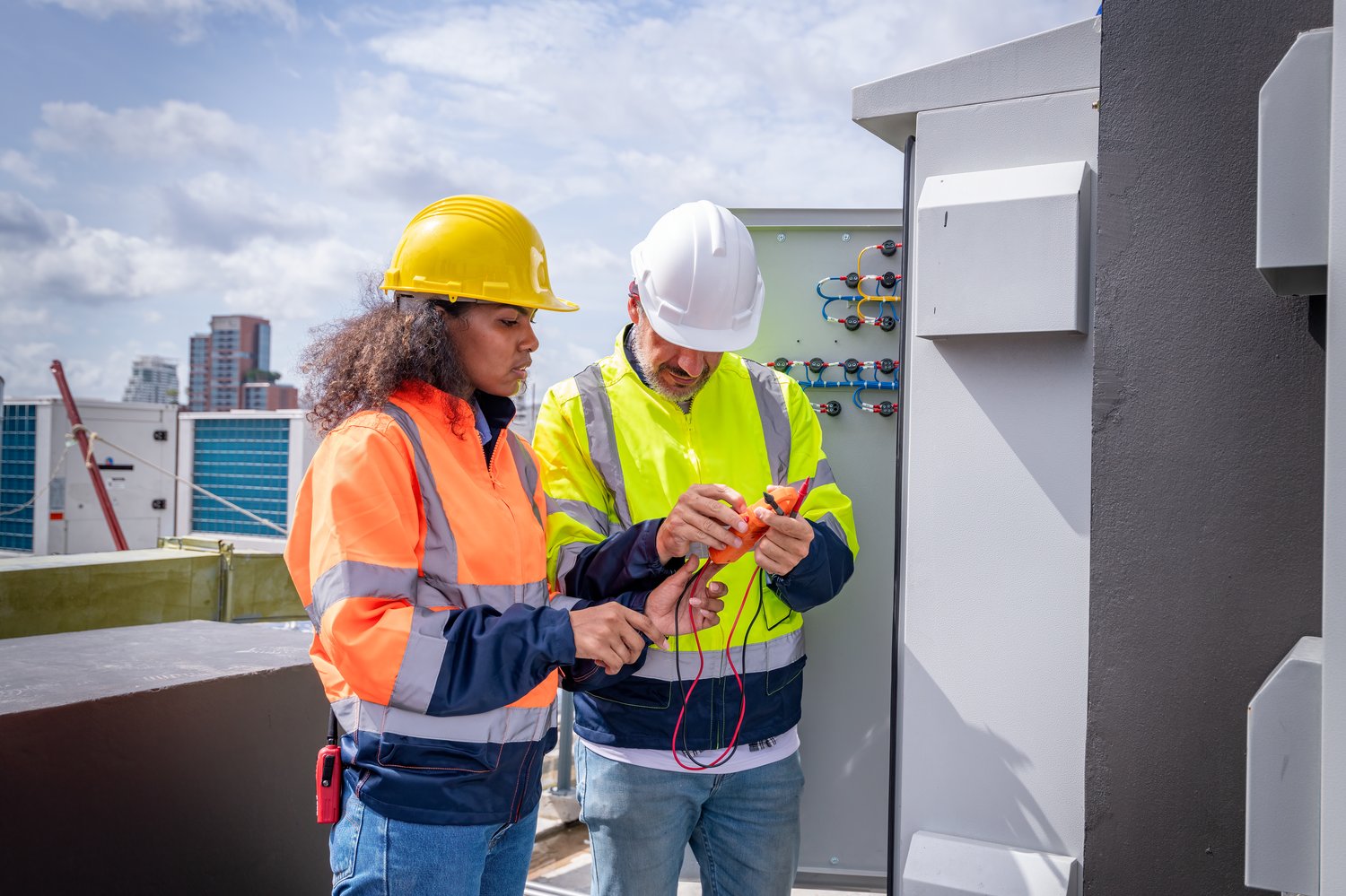
It’s also advisable to have a partner assist you during the replacement process. An extra pair of eyes can help identify potential hazards you might overlook. Ensure that all tools and equipment used are in good condition and rated for electrical work to avoid equipment failure or mishaps.
Understand and mitigate risk factors by conducting a thorough assessment of your work area before beginning. Remove any water or moisture to prevent electrical hazards, and ensure the workspace is clear of obstacles. Always use tools that are specifically designed for electrical tasks to maintain control and precision during the replacement.
Finally, double-check that the power is completely off before initiating any work on the electrical meter socket. This simple but crucial step can’t be overstated, as it significantly reduces the chance of electrocution.
Post-Replacement Utility Connection and Testing Procedures
After replacing an electrical meter socket, ensuring proper connection to the utility service is crucial for both functionality and safety compliance.
Begin by verifying that the new meter socket is correctly installed and securely mounted. This involves checking for any loose connections or improperly positioned components. Any discrepancies should be addressed immediately to prevent potential hazards.
Next, connect the utility wires to the meter socket terminals. This process requires a solid understanding of the color-coding and specific wiring configurations used in your region. Proper adherence to local electrical codes is essential for ensuring safety and compliance.
Once connected, it is important to perform a thorough inspection of the installation. This includes checking to ensure that all screws and connections are tight, as well as examining the weatherproofing of the socket to prevent damage from environmental factors.
With the installation secured, perform a series of tests to confirm both functionality and safety. Use a multimeter to measure the voltage and ensure it matches the expected output level. This confirms that the electrical system is functioning efficiently.
Additionally, it is important to conduct an insulation resistance test to verify that the connection is safe and that there are no leakage current issues. This step is particularly crucial for maintaining the integrity of your electrical system.
Finally, notify the utility company that the installation is complete. This allows them to verify the connection and activate the service if required. It is common for utility companies to require an inspection before restoring full service to ensure compliance with local regulations and safety standards.
Following these post-replacement utility connection and testing procedures can significantly reduce risks and ensure the effective operation of the new meter socket.
Frequently Asked Questions on Electrical Meter Socket Replacement
What are the signs that indicate a meter socket needs replacement?
Visible wear and tear, burn marks, rust, or poor electrical performance indicate replacement is necessary.
Can I replace an electrical meter socket myself?
While possible, it is recommended to hire a professional to ensure safety and compliance with utility regulations.
Do I need to notify the utility company before replacing a meter socket?
Yes, informing the utility company is essential for disconnecting and reconnecting power.
What safety measures should I take during the replacement process?
Use personal protective equipment, turn off the main power supply, and follow all safety protocols.
How do I test the newly installed meter socket?
A qualified electrician should perform functional and safety tests to ensure proper connection and operation.
What are the consequences of improper installation?
Improper installation can lead to electrical hazards, utility service issues, and non-compliance with safety codes.