
Understanding modern ventilation requirements
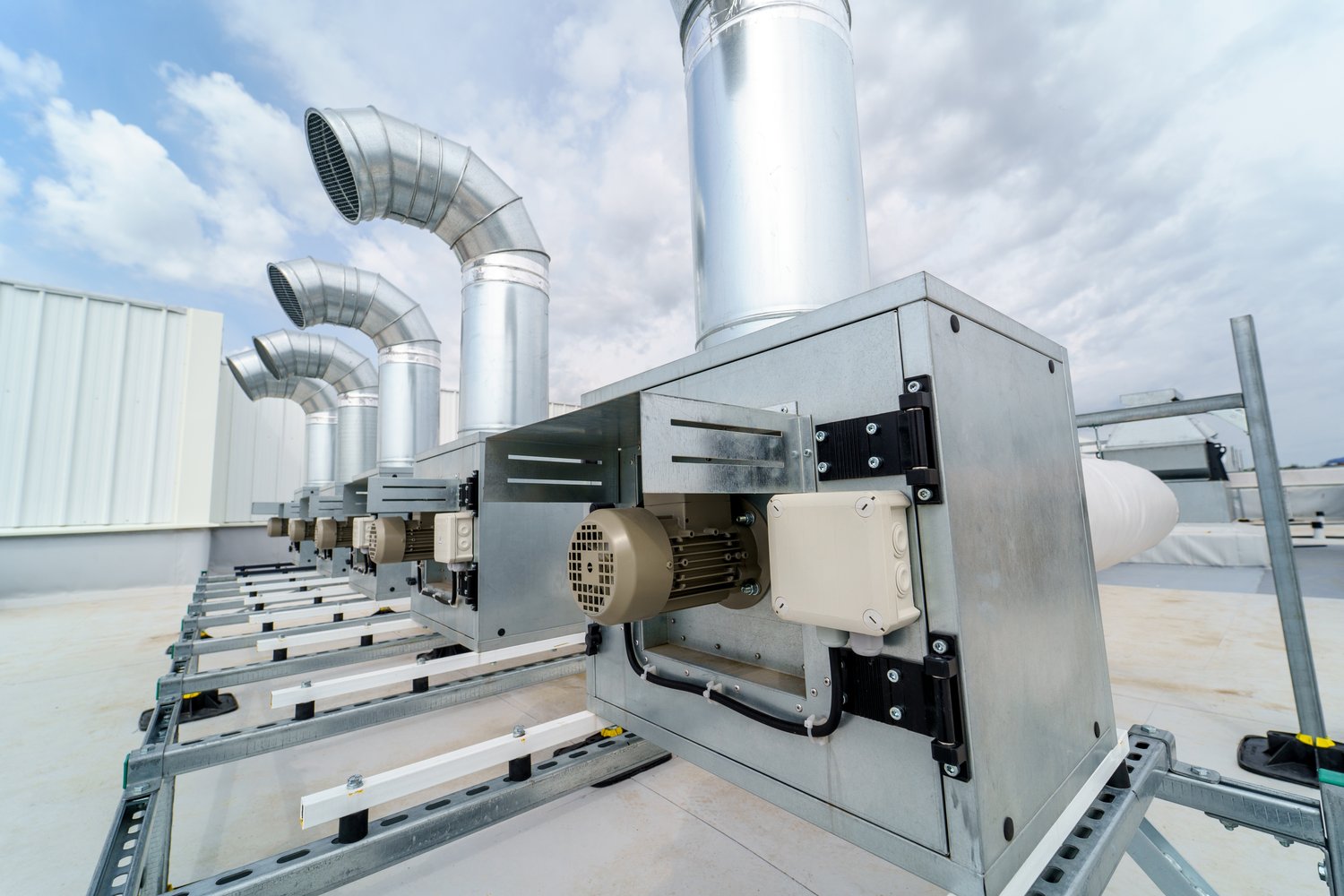
Modern buildings require efficient air exchange systems to maintain healthy indoor environments. An Air distribution system forms the backbone of any effective ventilation setup. These systems typically move between 0.3 to 0.5 air changes per hour in residential spaces. Commercial buildings often need higher rates, sometimes reaching 2 to 6 air changes hourly depending on their function.
Energy efficiency standards have transformed how we approach building ventilation in recent years. Current regulations demand systems that recover at least 75% of thermal energy from exhausted air. This requirement has made heat recovery units essential components in new construction projects. Professional installers report that these units can reduce heating costs by 30% to 50% annually.
Indoor air quality directly impacts occupant health and productivity in any building environment. Poor ventilation can increase carbon dioxide levels above 1000 ppm, causing drowsiness and reduced concentration. Proper systems maintain CO2 levels below 800 ppm while filtering out dust, pollen, and other airborne particles. They also control humidity levels between 40% and 60% for optimal comfort.
Building codes now specify minimum ventilation rates for different room types and occupancy levels. Bathrooms require at least 50 cubic feet per minute of exhaust capacity. Kitchens need 100 to 150 CFM depending on their size and equipment. Living areas typically need 0.35 air changes per hour plus 15 CFM per occupant.
Professional assessment helps determine the most suitable ventilation approach for each specific building. Experts consider factors like building size, occupancy patterns, local climate conditions, and existing infrastructure. They also evaluate potential energy savings and long-term maintenance requirements. This analysis ensures optimal system performance and cost-effectiveness over time.
Heat recovery and energy savings
Heat recovery ventilation offers significant energy savings while maintaining excellent indoor air quality. Recuperation systems capture thermal energy from outgoing stale air and transfer it to incoming fresh air. Modern units achieve efficiency ratings between 80% and 95%, depending on their design and operating conditions. These systems work continuously, providing consistent air exchange throughout the year.
Counter-flow heat exchangers represent the most efficient type of recovery system available today. Their design allows maximum heat transfer between incoming and outgoing air streams. These units typically measure 24 to 36 inches in width and require minimal maintenance. Installation costs range from $2,000 to $4,000 for residential applications, excluding ductwork modifications.
Enthalpy recovery wheels provide both sensible and latent heat recovery capabilities. They transfer moisture along with thermal energy, maintaining optimal humidity levels year-round. These systems work particularly well in climates with significant seasonal temperature variations. Their payback period typically ranges from 3 to 7 years through reduced heating and cooling costs.
Smart controls enhance the performance of modern Recuperation systems significantly. They monitor indoor and outdoor temperatures, humidity levels, and air quality parameters. Advanced units adjust fan speeds automatically to optimize energy consumption while maintaining comfort. Some models include smartphone connectivity for remote monitoring and control capabilities.
Regular maintenance ensures optimal performance and longevity of heat recovery equipment. Filter replacement typically occurs every 3 to 6 months, depending on local air quality. Heat exchanger cleaning should happen annually to prevent efficiency degradation. Professional servicing costs approximately $150 to $300 per visit but helps maintain warranty coverage and system reliability.
Ductwork design and installation considerations
Proper ductwork design ensures efficient air distribution throughout your building’s interior spaces. An Air distribution system requires carefully calculated duct sizes to maintain adequate airflow without excessive energy consumption. Round ducts typically provide better airflow characteristics than rectangular ones of equivalent cross-sectional area. Standard residential systems use duct diameters ranging from 4 to 12 inches.
Insulation prevents condensation and reduces thermal losses in ventilation ductwork installations. R-6 to R-8 insulation values work well for most climate zones and applications. Vapor barriers on the exterior surface prevent moisture infiltration into the insulation material. Proper sealing with mastic or metallic tape eliminates air leakage at joints and connections.
Strategic placement of supply and return vents maximizes air circulation efficiency throughout each room. Supply vents should direct airflow across occupied zones without creating uncomfortable drafts. Return vents work best when located away from supply outlets to promote complete air mixing. Ceiling installations often provide the most effective air distribution patterns in residential applications.
Balancing dampers allow fine-tuning of airflow to individual rooms and zones. These adjustable components help compensate for variations in ductwork design and installation conditions. Manual dampers cost $15 to $40 each, while motorized versions range from $75 to $150. Professional balancing services ensure optimal system performance and occupant comfort levels.
Fire-rated ductwork may be required in commercial buildings and multi-story residential structures. These specialized products maintain their integrity for specified time periods during fire emergencies. Installation typically requires certified contractors familiar with local building codes and safety requirements. Fire dampers automatically close when temperatures exceed predetermined limits, helping contain fire and smoke spread.
System sizing and capacity calculations
Accurate load calculations determine the appropriate capacity for any ventilation or cooling system. Professional calculations consider building orientation, window areas, insulation levels, and local climate data. Manual J calculations provide standardized methods for residential load determination. Commercial buildings require more complex analysis using specialized software and engineering expertise.
Oversized systems cycle on and off frequently, reducing efficiency and comfort levels significantly. Units that are too large also cost more initially and consume excess energy during operation. Properly sized equipment runs for longer cycles, providing better humidity control and temperature stability. Energy consumption typically increases 10% to 15% for each 20% of oversizing.
Room-by-room analysis ensures adequate airflow distribution throughout the entire building envelope. Each space has specific ventilation requirements based on its function and occupancy patterns. Bedrooms typically need 50 to 100 CFM, while living areas require 100 to 200 CFM. Kitchens and bathrooms have higher requirements due to moisture and odor generation.
Future expansion possibilities should influence initial system sizing and design decisions. Adding 10% to 20% capacity allows for minor modifications without complete system replacement. Modular Air conditioning and ventilation equipment offers flexibility for phased installation approaches. This strategy helps manage initial costs while accommodating future growth requirements.
Professional installation ensures optimal performance and warranty coverage for your ventilation investment. Certified technicians understand local codes, proper installation techniques, and commissioning procedures. They also provide ongoing service support and maintenance programs to protect your investment. Quality installation typically adds 10% to 15% to equipment costs but ensures reliable long-term operation.